


Refine Results
Sort By
From
To


Since the discovery of chemokines and of chemokine receptors it has become evident that expression of chemokines at the site of inflammation may regulate the composition of cellular infiltrate, thereby directing the type of immune response. Recently, the molecular characterization of inherited disorders of immune system, (e.g., Wiskott-Aldrich syndrome, WHIM syndrome, leukocyte adhesion deficiency), which are characterized by cytoskeleton/adhesion defects or by altered response of chemokine receptors has contributed to clarifying the key players of immune response in normal physiology and in disease. This book, which deals with the description of the role of chemokines in immune response and underlines potential targets of therapeutical intervention, offers a series of contributions of the most challenging aspects of lymphocyte migration in homeostasis and in disease.
Signal transduction through leukocyte receptors involves a variety of signaling molecules including kinases, phosphatases, adaptor proteins, small GTPases GTP exchange factors, membrane phospholipids as well as others. These signal transducers, regulated by inter- and intra-molecular interactions, as well as by various post-translational modifications, lead to the activation of transcription factors that mediate cellular differentiation and growth, effector cell functions, and apoptotic cell death. Several investigators from various parts of the world convened at the 3rd Lymphocyte Signal Transduction Workshop in Crete, Greece from May 27 to June 1, 2005 to discuss their most recent findings in leukocyte signaling. This volume represents a collection of topics discussed during the conference.
parasitic and viral infections of the liver, autoimmune liver disease, alcoholic and nonalcoholic fatty liver diseases, and transplantation in an easy-to-read and thorough format. Authors also address the key issues that have arisen in this field in recent years, including physiological roles of hepatocytes, sinusoidal lining cells, activated macrophages (Kupffer cells), cholangiocytes and stellate cells, and their modulation of T cells, natural killer (NK) cells and NKT cells.
This comprehensive volume, written by experts in the field, includes concise and timely reviews of Listeria monocytogenes, one of the most intensively studied bacterial pathogens. Listeria monocytogenes is the cause of listeriosis, a potentially fatal disease that arises from the consumption of contaminated food. During the past two decades, studies of this organism have uncovered a wealth of information on its virulence factors, its genome organization, and its interactions with host cells and the immune system.

The new series "Microbiology Monographs" begins with two volumes on intracellular components in prokaryotes. In this second volume, "Complex Intracellular Structures in Prokaryotes", the components, labeled complex intracellular structures, encompass a multitude of important cellular functions. Continuing and newly initiated research will provide a clearer understanding of the complex intracellular structures known at present and will bring to light surprising new ones as well.
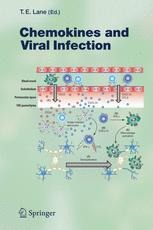
This edition of Current Topics in Microbiology and Immunology examines the role of chemokines and chemokine receptors in host defense and disease development following viral infection. Chemokines represent a family of over 40 small proteins that, for the most part, are secreted into the environment and function by binding to G protein-coupled receptors (GPCRs) that are expressed on numerous different cell types. When initially identified close to 30 years ago, these molecules were associated with various human inflammatory diseases and it was recognized that expression may be integral in leukocyte recruitment to inflamed tissue. There are now four sub-families of chemokines identified based on defined structural criteria relating to the positional location of conserved cysteine residues within the amino-terminus of the protein. Chemokines are now recognized as important in numerous biological processes ranging from maintaining the organizational integrity of secondary lymphoid tissue to participating in various aspects of both innate and adaptive immune responses following microbial infection. With this in mind, this book highlights the functional roles of chemokines and their receptors in participating in various aspects of the immune response against well-known viral pathogens.
The biological sciences are dominated by the idea that cells are the functionally autonomous, physically separated, discrete units of life. This concept was propounded in the 19th century by discoveries of the cellular structuring of both plants and animals. Moreover, the ap parent autonomy of unicellular eukaryotes, as well as the cellular basis of the mammalian brain (an organ whose anatomy for a long while defied attempts to validate the idea of the cellular nature of its neurons), seemed to provide the final conclusive evidence for the completeness of *cell theory', a theory which has persisted in an almost dogmatic form up to the present day. However, it is very obvious that there are numerous observations which indicate that it is not the cells which serve as the basic units of biological life but that this property falls to some other, subcellular assemblage. To deal with this intricate problem concerning the fundamental unit of living matter, we proposed the so-called Cell Body concept which, in fact, devel ops an exceedingly original idea proposed by Julius Sachs at the end of the 19th century. In the case of eukaryotic cells, DNA-enriched nuclei are intimately associated with a microtubular cytoskeleton. In this configuration—as a Cell Body—these two items comprise the fundamental functional and struc tural unit of eukaryotic living matter. The Cell Body seems to be inherent to all cells in all organisms.

CD4+CD25+ regulatory T cells (Treg) and interleukin-10 producing T regulatory 1 (Tr1) cells have been studied in most detail and are the subject of most articles in this issue. Treg, also called "natural" regulatory T cells, will be traced from their intra-thymic origin to the site of their action in peripheral lymphoid organs and tissues.
Presents the clinical scope of cancer immunotherapeutic agents for solid tumors and Hematologic malignancies, elaborates on the scientific details of their modes of action, and presents the impact of these agents on oncology, patients and the broader healthcare system. At present, cancer immunotherapies fall broadly into three categories: immune checkpoint inhibitors (ICIs), adoptive T cell therapies, and cancer vaccines which have distinct mechanisms of action. Immune checkpoint inhibitors rely upon disrupting tumor antigen recognition as self by the immune system through inhibition of checkpoint molecules. Adoptive T cell therapies involve the engineering of T cells ex vivo to target and destroy tumor cells. The first part of this book will provide an overview of the discovery and mechanistic details of the technology. The second part will be devoted to elaborating on the clinical outcomes, successes and limitations for specific tumor subtypes, which includes both solid tumors and hematologic malignances for both pediatric and adult populations.
Details multiple areas of new and emerging methods to develop the next generation of immunotherapy treatments. Chapters guide readers through analysis and characterisation of the interactions between tumour and immune cells, and cell engineering tools for cancer treatment, to provide a unique and compelling set of techniques instrumental to work with, and engineer, immune cells. Written in the highly successful Methods in Molecular Biology series format, chapters include introductions to their respective topics, lists of the necessary materials and reagents, step-by-step, readily reproducible laboratory protocols, and tips on troubleshooting and avoiding known pitfalls.

Discusses the latest techniques used to identify cancer drug resistance determinants at the molecular, cellular, and functional levels. Chapters in this book cover up-to-date topics including tumor-microenvironment cell co-culture methods and microfluidics systems; workflows for functional assessment of drug resistance in vitro and in vivo; quantitative techniques for identifying quiescent blood-flow circulating cells; and single-cell characterization methods, such as mass cytometry.

Covers critically investigated information on medicinal plants prioritized for their anti-allergy properties. It offers insights into strategies related to the distribution, mechanism of action, and assessment of antiallergic medicinal plants, and also delves into crucial aspects of modern biotechnological tools, addressing their implementation challenges, presenting innovative approaches through case studies, and exploring opportunities for nanotechnologies. These elaborated discussions aim to raise awareness and bridge the gap between human health and the biodiversity of antiallergic medicinal plants.

This book offers 19 detailed protocols on the use of induced mutations in crop breeding and functional genomics studies, which cover topics including chemical and physical mutagenesis, phenotypic screening methods, traditional TILLING and TILLING by sequencing, doubled haploidy, targeted genome editing, and low-cost methods for the molecular characterization of mutant plants that are suitable for laboratories in developing countries. The collection of protocols equips users with the techniques they need in order to start a program on mutation breeding or functional genomics using both forward and reverse-genetic approaches. Methods are provided for seed and vegetatively propagated crops (e.g. banana, barley, cassava, jatropha, rice) and can be adapted for use in other species.

Provides up-to-date guidance on techniques used to work with baculoviruses and insect cells. The book provides basic methods to create recombinant baculoviruses, to improve productivity, to produce a variety of products, to purify products, to quantify baculovirus stocks or to quantify product produced, and it concludes with alternative uses of either baculovirus or insect cells as tools. Written for the highly successful Methods in Molecular Biology series, chapters include introductions to their respective topics, lists of the necessary materials and reagents, step-by-step and readily reproducible laboratory protocols, and tips on troubleshooting and avoiding known pitfalls.

The authors of this volume present the synthesis on how the various host cellular Rho GTPases activities are manipulated by bacteria to fulfill their virulence.
Pharmaceutical companies are spending increasing amounts of money on drug discovery and development. Nevertheless, attrition rates in clinical development are still very high, and up to 90% of new compounds fail in clinical phase I - III trials, which is partially due to lack of clinical efficacy. This indicates a strong need for highly predictive in vitro and in vivo models. The "50th International Workshop of the Ernst Schering Research Foundation" focussed on "Animal Models of T Cell-Mediated Skin Diseases". Such animal models should have impact not only on inflammatory dermatoses but also on other inflammatory disorders due to their model character. The current volume summarises recent advances in animal research that are important for anti-inflammatory drug discovery.

Active specific immunotherapy is a promising but investigational modality in the management of cancer patients. Currently, several different cancer vaccine formulations such as peptides, proteins, antigen-pulsed dendritic cells, whole tumor cells, etc. in combination with various adjuvants and carriers are being evaluated in clinical trials (1-3). To determine the optimal cancer

Anaphylaxis is defined as an immediate systemic reaction due to the rapid IgE mediated release of potent mediators from tissue mast cells and peripheral blood basophils and represents a generalized clinical condition that includes skin, respiratory, cardiovascular and gastrointestinal signs and symptoms. It includes various clinical pictures, which derive from the association of symptoms such as urticaria, angioedema, vomiting, diarrhea, asthma, dyspnoea, edema of the glottis, hypotension, shock, etc., not always easy to identify, which however require a timely and correct diagnostic approach. .

Challenging Charcot’s hypothesis that inflammatory response is the primary contributor to demyelination, Dr. Rodriguez and colleagues take a fresh, bold look at the causes and possible treatments of MS.Assuming oligodendrocyte injury as a prerequisite to MS, the authors explore viruses, toxins and genetic defects as possible culprits. They present novel methods to interrupt and reverse demyelination. This book examines the correlation between axonal loss and clinical deficits, including the implied role of the CD8+ T cell and perforin. It assesses proteases, specifically, kallikrein 6, which are strongly associated with active demyelination. By directing natural autoantibodies against oligodendrocytes that demonstrate remyelination in animal models, the authors envision clinical trials for remyelination enhancement.

Discusses of the latest technology and advancements in the field of human-derived ASC and SVF. The chapters in this book are organized into four parts. Part One focuses on human ASC’s isolation, characterization, and differentiation. Part Two describes the isolation and characterization of ASC and SVF from canine, feline, and murine tissues. Part Three looks at hydrogels, scaffolds, and microphysiological systems, and Part Four talks about the new assays and applications using ASC. Written in the highly successful Methods in Molecular Biology series format, chapters include introductions to their respective topics, lists of the necessary materials and reagents, step-by-step, readily reproducible laboratory protocols, and tips on troubleshooting and avoiding known pitfalls.

Daraa Highway - Ghabagheb - Syria
+963-15 2050 - 15 860 380 /1/2/3 - 11 662 3900