


Refine Results
Sort By
From
To

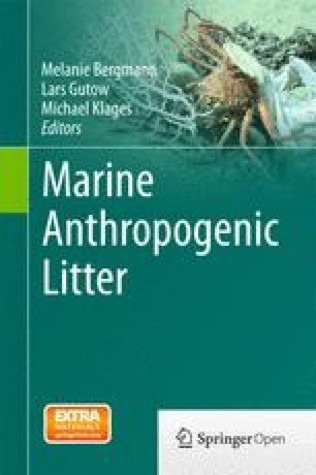
This book describes how man-made litter, primarily plastic, has spread into the remotest parts of the oceans and covers all aspects of this pollution problem from the impacts on wildlife and human health to socio-economic and political issues. Marine litter is a prime threat to marine wildlife, habitats and food webs worldwide. The book illustrates how advanced technologies from deep-sea research, microbiology and mathematic modelling as well as classic beach litter counts by volunteers contributed to the broad awareness of marine litter as a problem of global significance. The authors summarise more than five decades of marine litter research, which receives growing attention after the recent discovery of great oceanic garbage patches and the ubiquity of microscopic plastic particles in marine organisms and habitats.
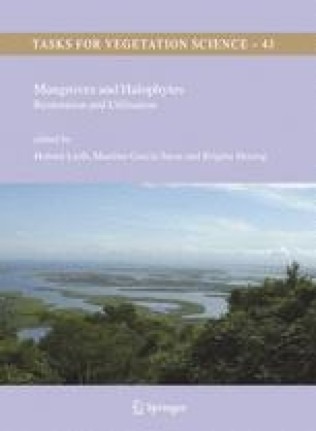
Focusing on Venezuela and Mexico, this edited volume from the International Society of Halophyte Utilisation (ISHU) explores the environmental issues facing South and Central America's coastal ecosystems, and discusses the uses of mangrove species and other halophytes in addressing issues of both coastal pollution and upland soil salinisation. The book draws on expertise from Europe and South America to present a series of case studies that detail Venezuela’s saline ecosystems and examine the economic potential of mangrove restoration and halophyte production. It includes cutting-edge research into the establishment of new mangrove stands which could serve as prototypes for the sustainable use of halophytes, including Chenopodium quinoa and Tamarix aphylla. Moreover, the detailed examples from Venezuela and other Caribbean countries provide useful models for comparison with halophyte utilisation in other parts of the world – especially the Mediterranean region, where much of the earlier research of the ISHU had been conducted.
The lungs are the organ for gas exchange between the body and the external environment. Dysfunction of upper airway epithelium and smooth muscle cells leads to pathogenesis of asthma, chronic obstructive pulmonary disease (COPD), cystic fibrosis, and other conditions, resulting in airway inflammation and narrowing. Injury to alveolar epithelium and endothelium causes influx of neutrophil and protein-rich fluid from circulation, resulting in edema and disruption of gas exchange. In addition to lung structural cells, immune cells, including alveolar macrophages and lymphocytes play critical roles in the maintenance of lung function. This book contributes to the understanding homeostasis of lung cells in the physiological and pathological conditions critical to the development of novel therapeutics.
parasitic and viral infections of the liver, autoimmune liver disease, alcoholic and nonalcoholic fatty liver diseases, and transplantation in an easy-to-read and thorough format. Authors also address the key issues that have arisen in this field in recent years, including physiological roles of hepatocytes, sinusoidal lining cells, activated macrophages (Kupffer cells), cholangiocytes and stellate cells, and their modulation of T cells, natural killer (NK) cells and NKT cells.
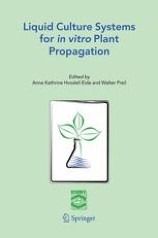
High-efficiency micropropagation, with relatively low labour costs, has been demonstrated in this unique book detailing liquid media systems for plant tissue culture. World authorities contribute seminal papers together with papers from researchers across Europe This book is essential reading for all those in commercial micropropagation labs, as well as researchers worldwide who are keen to improve propagation techniques and lower economic costs of production.

Presents the most comprehensive and up to date review of research on lentil production systems, biotic and abiotic stresses management, quality seed production, storage techniques and lentil growing around the world. This book will be of great value to legume breeders, scientists, nutritionists, academic
Describes 247 species of 9 families of medicinal plants, which are commonly used in Chinese medicine. The most important species are Adina rubella, Gardenia jasminoides, Hedyotis diffusa, Morinda officinalis, Rubia cordifolia, Uncaria hirsuta, Uncaria macrophylla, Uncaria rhynchophylla, Uncaria sessilifructus, Uncaria sinensis of Rubiaceae; Lonicera confusa, Lonicera hypoglauca, Lonicera macranthoides, Lonicera japonica of Caprifoliaceae; Patrinia scabiosaefolia, Patrinia villosa, Nardostachys jatamansi of Valerianaceae; Dipsacus asperoides of Dipsacaceae; Arctium lappa, Artemisia annua, Artemisia argyi, Artemisia capillaris, Artemisia scoparia, Atractylodes lancea, Atractylodes macrocephala, Dendranthema indicum, Dendranthema morifolium, Eupatorium chinense, Eupatorium fortunei, Inula helenium, Saussurea costus, Saussurea involucrata, Senecio scandens, Serratula chinensis, Siegesbeckia orientalis, Solidago decurrens, Taraxacum mongolicum, Tussilago farfara、Xanthium sibiricum of Compositae; Gentiana crassicaulis, Gentiana manshurica, Gentiana rigescens, Gentiana scabra, Swertia pseudochinensis of Valerianaceae; Lysimachia christinae of Primulaceae and Plantago asiatica of Plantaginaceae.
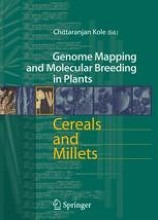
Genome Mapping and Molecular Breeding in Plants presents the current status of the elucidation and improvement of plant genomes of economic interest. The focus is on genetic and physical mapping, positioning, cloning, monitoring of desirable genes by molecular breeding and the most recent advances in genomics. The series comprises seven volumes: Cereals and Millets; Oilseeds; Pulses, Sugar and Tuber Crops; Fruits and Nuts; Vegetables; Technical Crops; and Forest Trees.
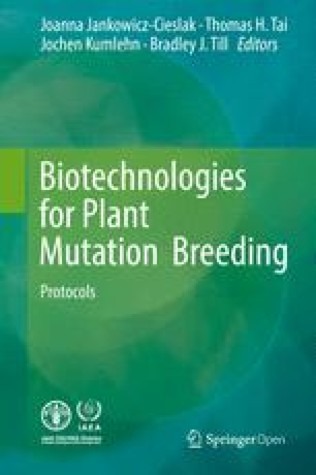
This book offers 19 detailed protocols on the use of induced mutations in crop breeding and functional genomics studies, which cover topics including chemical and physical mutagenesis, phenotypic screening methods, traditional TILLING and TILLING by sequencing, doubled haploidy, targeted genome editing, and low-cost methods for the molecular characterization of mutant plants that are suitable for laboratories in developing countries. The collection of protocols equips users with the techniques they need in order to start a program on mutation breeding or functional genomics using both forward and reverse-genetic approaches. Methods are provided for seed and vegetatively propagated crops (e.g. banana, barley, cassava, jatropha, rice) and can be adapted for use in other species.
this book reviews the current state of knowledge in biosaline agriculture and high salinity tolerance in plants. It mainly focuses on the biotic approach to economically utilize the stress-prone areas by growing resistant plants.This volume comprises three sections: physiology and biochemistry, ecology, and molecular biology. Thus, a systematic approach has been adopted to uncover plant responses to various ecological factors at physiological and molecular levels.
This book presents a comprehensive account of all aspects of biological invasions in South Africa, where research has been conducted over more than three decades, and where bold initiatives have been implemented in attempts to control invasions and to reduce their ecological, economic and social effects.
This volume relates the lessons learned from tumour biology applied to inflammation. This issue of Angiogenesis in Inflammation: Mechanisms and Clinical Correlates develops current knowledge on the mechanisms at the molecular and cellular levels as they relate to inflammation, including acute and chronic inflammation, neurogenic initiation, and the role of the multiple cellular components that comprise inflammation: granulocytes, macrophages, fibroblasts, dendritic cells and lymphocytes. This is related to inflammatory disease: not only the familiar angiogenesis dependent diseases of rheumatoid arthritis and psoriasis, but also loci such as the lung, gastric ulcers, the eye with uveitis, wound healing and periodontal disease and their therapy, how this knowledge may be used in the discovery of novel therapeutics. The volume brings together experts in each of these fields to link the molecular and cellular processes in angiogenesis to those of inflammation and disease, culminating in a discourse on areas for future therapies.
This book is organized around the indication that allelochemicals can be employed for biological control of plant pathogens and plant diseases. Specifically, this volume focuses on (i) discovery and development of natural product based fungicides for agriculture, (ii) direct use of allelochemicals as well as indirect effects through cover crops and organic amendments for plant parasitic pest control and (iii) application of allelopathy in pest management.
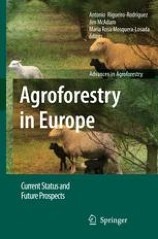
Brings together some of the most important current research in European agroforestry, and evaluates the current scope and future potential of agroforestry across the EU.While the majority of Europe’s agroforestry practices are currently focused in the Mediterranean, this volume draws together examples from a wide range of countries – including Greece, Spain, the UK, Hungary, Germany, Italy, the Netherlands, Switzerland, France and Slovenia. The book also covers a range of agroforestry types, including silvopastoralism – Europe’s predominant form of agroforestry – as well as alley cropping, forest farming, silvoarable systems and the use of trees for shelter. Through these examples the book also discusses the potential roles for these traditional land management systems in addressing both environmental issues such as water quality, biodiversity conservation, desertification, ecosystem services and socioeconomic issues such as rural population stabilization.
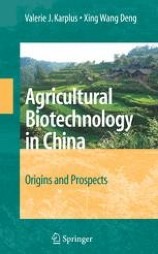
Building on a long tradition of agricultural advances, Chinese scientists have applied biotechnology techniques to develop hundreds of novel crop varieties suited to local farming conditions and challenges.Agricultural Biotechnology in China: Origins and Prospects is a comprehensive examination of how the origins of biotechnology research agendas, along with the effectiveness of the seed delivery system and biosafety oversight, help to explain current patterns of crop development and adoption in China. Based on firsthand insights from China’s laboratories and farms, Valerie Karplus and Dr. Xing Wang Deng explore the implications of China’s investment for the nation’s rural development, environmental footprint, as well as its global scientific and economic competitiveness.
Proceedings of the 2nd Annual IFOM-IEO Meeting on Cancer. This is a new meeting, it has about 200 attendees from Australia, Austria, Belgium, Brazil, Canada, England, France, Germany, Greece, Ireland, Italy, Japan, Netherlands, Spain, Sweden, Switzerland, and the USA. The 2nd IFOM-IEO international meeting on cancer will provide a forum in which the world’s leading cancer researchers and young scientists will discuss the latest advances in molecular oncology. The impact of recent breakthroughs in basic research and of emerging technologies on molecular medicine in cancer will be highlighted.
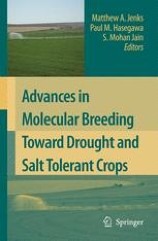
Advances in Molecular Breeding toward Drought and Salt Tolerant Crops seeks to integrate the most recent findings about key biological determinants of plant stress tolerance with modern crop improvement strategies. This volume is unique because is provides exceptionally wide coverage of current knowledge and expertise being applied in drought and salt tolerance research, spanning the scientific hierarchy from physiology, biochemistry, development, and genetics, to the newest technologies being used to manipulate drought and salinity associated traits for germplasm improvement. This book will be an invaluable reference for educators and researchers in agronomy and horticulture, crop breeding, molecular genetics, and biotechnology.
Discusses of the latest technology and advancements in the field of human-derived ASC and SVF. The chapters in this book are organized into four parts. Part One focuses on human ASC’s isolation, characterization, and differentiation. Part Two describes the isolation and characterization of ASC and SVF from canine, feline, and murine tissues. Part Three looks at hydrogels, scaffolds, and microphysiological systems, and Part Four talks about the new assays and applications using ASC. Written in the highly successful Methods in Molecular Biology series format, chapters include introductions to their respective topics, lists of the necessary materials and reagents, step-by-step, readily reproducible laboratory protocols, and tips on troubleshooting and avoiding known pitfalls.
Stresses in plants caused by salt, drought, temperature, oxygen, and toxic compounds are the principal reason for reduction in crop yield. For example, high salinity in soils accounts for large decline in the yield of a wide variety of crops world over; ~1000 million ha of land is affected by soil salinity. Increased sunlight leads to the generation of reactive oxygen species, which damage the plant cells. The threat of global environment change makes it increasingly demanding to generate crop plants that could withstand such harsh conditions. Much progress has been made in the identification and characterization of the mechanisms that allow plants to tolerate abiotic stresses.
Expands on the previous edition with discussions about the latest organoid models developed for many more organs; new hydrogels and devices for 3D culture; and the organoid systems that have been improved by incorporating more components of tissue microenvironments in the in vitro culture. The chapters in this book are organized into five parts and cover topics such as biofabrication, organoids, microfluidic systems, bioprinting, and image analysis. Written in the highly successful Methods in Molecular Biology series format, chapters include introductions to their respective topics, lists of the necessary materials and reagents, step-by-step, readily reproducible laboratory protocols, and tips on troubleshooting and avoiding known pitfalls.

Daraa Highway - Ghabagheb - Syria
+963-15 2050 - 15 860 380 /1/2/3 - 11 662 3900