


Refine Results
Sort By
From
To

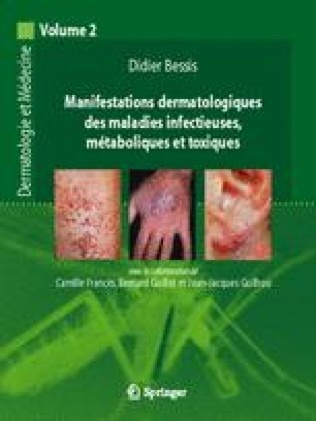
Deals with the skin and mucous membrane manifestations observed during infectious, metabolic and toxic diseases. It is intended not only for dermatologists and internists, but also for healthcare professionals concerned with infectious, metabolic and toxic diseases.

Mammalian and Avian Transgenesis presents a collection of novel methods for the production of a wide range of transgenic animals. The manual focuses largely on mice, but also contains protocols for successful transgenesis in rats, cows, pigs and birds. The manual provides detailed, step-by-step protocols covering all aspects of the production of transgenic animals, including the use of lentiviral vectors in gene transfer, intracytoplasmic sperm injection, nuclear transfer, large insert transgenesis, conditional gene expression systems, the use of reporter genes in transgenesis and transgenesis in large animals and birds. The text is supplemented by superb color photos. While the focus is on newly established techniques, the fundamental methods of transgenesis are also covered for those new to the field. Thus this manual is perfectly suited for those wishing to adopt new technologies in transgenesis.

Investigating life processes under extreme conditions can also bring clues for understanding and predicting ecosystems' responses to global changes. Furthermore, this area of research has a wide application potential in the fields of (bio)technoloty, chemical industry, pharmaceutics, biomedicine or cosmetics.

This is the first book dealing with the intricate epigenetic mechanisms (DNA methylation, histone modification, alteration of chromatin structure) that regulate latency-associated transcription. Special attention is given to immune evasion "tricks" blocking immune responses to herpesvirus infected cells and viral RNAs and proteins involved in malignant transformation.

Since the identificationof two sequences fromKSHV,wehave learnedmuch about this pathogen as reflected in this book. As it turned out, KSHV itself encodes for a number of cytokines, and induces cellular cytokine secretion, contributing to tumour growth. Moreover, KSHV vFLIP targets the IKKNFκB axis to encourage the inflammatory microenvironment observed by Gallo and his colleagues. KSHV continues to elucidate both mechanisms of viral oncogenesis, and cellular and immune pathways involved in non-viral driven neoplasia.

This volume reviews today’s knowledge about hepatitis with emphasis on comparative aspects between hepatitis in humans and animals, but also between different etiological agents. This particular viewpoint makes the book relevant for scientists from both human and veterinary medicine, gastroenterologists, pathologists, virologists and students of human and veterinary medicine.

Provides new and updated chapters covering computational and mathematical techniques and concepts related to the field of comparative genomics. The topics covered in the chapters range from those that address general techniques and concepts that apply to all organisms to others that are specialized and apply to specific biological systems such as viruses, bacteria, nematodes, and insects.

Is a brief, clear, thorough, and updated approach to clinical microbiology, brimming with mnemonics, humor, summary charts, and illustrations. Topics include Ebola, AIDS, flesh-eating bacteria, mad cow disease, hantavirus, anthrax, smallpox, and tuberculosis; the latest antibiotics; pandemic flu, including H7N9; SARS-like coronavirus; hepatitis C treatment options; HIV diagnostics and approved HIV meds; Zika virus; measles; and a new chapter on the latest emerging infectious diseases and drug-resistant bacteria. The major update to this book is the addition of a new chapter on the SARS-COV-2 virus and COVID-19 disease, which delves into the nature of the virus such as infectivity within the body, transmission between individuals, timeline of infectivity, symptoms, risk factors, therapeutics, and vaccines approved for use.
This publication constitutes the outcome of an ESRF meeting held together with the German Research Foundation. Clinical researchers, immunologists, virologists and molecular biologists provide the latest findings in their fields, advancing our understanding of what causes chronic viral and inflammatory cardiomyopathy, why it affects a subset of individuals while sparing the majority, how we can develop better therapies, and whether the disease can be prevented. Special emphasis is placed on the role of viruses in the aetiology and pathogenesis of cardiomyopathy.
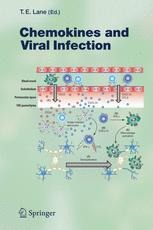
This edition of Current Topics in Microbiology and Immunology examines the role of chemokines and chemokine receptors in host defense and disease development following viral infection. Chemokines represent a family of over 40 small proteins that, for the most part, are secreted into the environment and function by binding to G protein-coupled receptors (GPCRs) that are expressed on numerous different cell types. When initially identified close to 30 years ago, these molecules were associated with various human inflammatory diseases and it was recognized that expression may be integral in leukocyte recruitment to inflamed tissue. There are now four sub-families of chemokines identified based on defined structural criteria relating to the positional location of conserved cysteine residues within the amino-terminus of the protein. Chemokines are now recognized as important in numerous biological processes ranging from maintaining the organizational integrity of secondary lymphoid tissue to participating in various aspects of both innate and adaptive immune responses following microbial infection. With this in mind, this book highlights the functional roles of chemokines and their receptors in participating in various aspects of the immune response against well-known viral pathogens.
The biological sciences are dominated by the idea that cells are the functionally autonomous, physically separated, discrete units of life. This concept was propounded in the 19th century by discoveries of the cellular structuring of both plants and animals. Moreover, the ap parent autonomy of unicellular eukaryotes, as well as the cellular basis of the mammalian brain (an organ whose anatomy for a long while defied attempts to validate the idea of the cellular nature of its neurons), seemed to provide the final conclusive evidence for the completeness of *cell theory', a theory which has persisted in an almost dogmatic form up to the present day. However, it is very obvious that there are numerous observations which indicate that it is not the cells which serve as the basic units of biological life but that this property falls to some other, subcellular assemblage. To deal with this intricate problem concerning the fundamental unit of living matter, we proposed the so-called Cell Body concept which, in fact, devel ops an exceedingly original idea proposed by Julius Sachs at the end of the 19th century. In the case of eukaryotic cells, DNA-enriched nuclei are intimately associated with a microtubular cytoskeleton. In this configuration—as a Cell Body—these two items comprise the fundamental functional and struc tural unit of eukaryotic living matter. The Cell Body seems to be inherent to all cells in all organisms.
This comprehensive volume, written by experts in the field, covers nearly all aspects of ongoing research related to the CD137 pathway. Recent research has shown that the manipulation of CD137 pathway molecules is very promising in the treatment of cancer, viral infection, transplantation rejection and autoimmune diseases in experimental animal models. The volume includes research related to the identification and understanding of functional consequences of CD137 receptor and ligand molecules which represents a major effort in the field of immunology. CD137 Pathway: Immunology and Diseases is an ideal book for immunologists, microbiologists, cancer researchers, molecular biologists, biochemists, and pharmaceutical and biotechnology company scientists.
In this new edition of Cardiovascular Disease in AIDS new insights coming from basic and clinical research in the field of HIV-associated cardiovascular disease and antiretroviral therapy are reported, along with the clinical guidelines for a careful stratification of the cardiovascular risk and cardiovascular monitoring of HIV-infected patients receiving HAART. The authors offer a wide overview of the topic for specialists in cardiology and infectious diseases involved in the clinical management of HIV-infected patients.
The volume offers a synthetic and updated picture of a complex topic that includes the multifactorial etiopathogenesis of cervical cancer, the characteristics of the virus, the dynamics of HPV infections, the histological lesions of the cervix leading to cervical cancer. and the characteristics of the various surgical treatments, the current strategies for early diagnosis through the use of molecular assays currently on the market, up to the trials of the two vaccines recently registered also in Italy.

Since the terrorist attack on the United States on September 11, 2001 and subsequent cases of anthrax in Florida and New York City, attention has been focused on the threat of b- logical warfare and bioterrorism. Biological warfare agents are de?ned as “living org- isms, whatever their nature, or infected material derived from them, which are used for h- tile purposes and intended to cause disease or death in man, animals and plants, and depend for their efforts on the ability to multiply in person, animal or plant attacked.” Biological warfare agents may be well suited for bioterrorism to create havoc and terror in a civilian population, because they are cheap and easy to obtain and dispense. Infectious or contagious diseases have played a major part in the history of warfare – deliberately or inadvertently – in restricting or assisting invading armies over the centuries. In 1346, the Tartars catapulted plaque-infected bodies into Kaffa in the Crimea to end a 3-year siege. Blankets contaminated with smallpox to infect North American Indians were used by British forces in the 18th century. More recently, the Japanese released ?eas infected with plaque in Chinese cities in the 1930s and 1940s. Biological research programs for both offensive and defensive strategies have been developed by the United States, Britain, the former Soviet Union, and Canada; several other nations are thought to have such programs.
This book provides sought-after guidance to primary care physicians on preparing for and responding to terrorist events. Chapters offer a fundamental understanding of the epidemiology and relevant clinical aspects of diseases caused by biological agents (anthrax, plague, smallpox, botulism, tularemia, and hemorrhagic viruses), chemical agents (nerve and blister), and radiological agents. The text details how to detect terrorist-caused illness as early as possible, how to provide defensive or preventive therapy, and how to triage and treat ill patients. Emphasis is placed on addressing both the physical and psychological impact on patients and providers.
Provides up-to-date guidance on techniques used to work with baculoviruses and insect cells. The book provides basic methods to create recombinant baculoviruses, to improve productivity, to produce a variety of products, to purify products, to quantify baculovirus stocks or to quantify product produced, and it concludes with alternative uses of either baculovirus or insect cells as tools. Written for the highly successful Methods in Molecular Biology series, chapters include introductions to their respective topics, lists of the necessary materials and reagents, step-by-step and readily reproducible laboratory protocols, and tips on troubleshooting and avoiding known pitfalls.
Genetic investigations and manipulations of bacteria and bacteriophage have made vital contributions to our basic understanding of living cells and to the development of molecular biology and biotechnology. This volume is a survey of the genetics of bacteria and their viruses, and it provides students with a comprehensive introduction to this rapidly changing subject. The book is written for upper level undergraduates and beginning graduate students, particularly those who have had an introductory genetics course.
Volume 1 is divided into two sections: "Malignant Transformation and Metastasis" and "Molecular Basis of Disease Therapy." Volume 2 follows a similar structure and is divided into sections entitled "Kinases and Phosphate" and "Molecular Basis of Cell Death." All of the contributors are at the forefront of scientific discovery, and the reviews they present systemically examine the most exciting and innovative aspects of their particular areas of expertise. Researchers will find these volumes of major benefit as they search for novel and more effective treatments for human diseases.

Covers general concepts of anti-viral metabolites, classifications, ethnopharmacology, chemistry, clinical and preclinical studies focusing on different medicinal plants against various types of viral infections. Various plants have been used in medicine since ancient times and are known for their strong therapeutic effects. The book will describe potential antiviral properties of medicinal plants against a diverse group of viruses, and provide an insight to the potential plants possess for broad-spectrum antiviral effects against emerging viral infections.The book aims to target a broad audience including virologists, molecular biologist, microbiologist and scientists working with natural products as well as researchers, students, healthcare experts involved in pharmaceutical and medical field.

Daraa Highway - Ghabagheb - Syria
+963-15 2050 - 15 860 380 /1/2/3 - 11 662 3900