


Refine Results
Sort By
From
To


This book thus proposes, reconnecting with the most clinical and frankly psychodynamic vein, to bear witness to the encounter with the reality of cancerous disease and with all the imagination that it arouses. It is also a tribute to the sick - but just as much to their loved ones and their caregivers - who then engage in these territories of the crash, the unpredictable, where everything leads to think and do.

Deals with ovarian cancers and their therapeutic management. Besides the epithelial tumors which are the most frequent, the rarer tumors, with attenuated malignancy, germ cells or of the ovarian stroma are also studied. Specialists from multiple backgrounds each deliver in their field the most recent knowledge on the fundamental aspects of the disease, its genetic, epidemiological and prognostic characteristics and its pathological peculiarities. Modern means of diagnosis are presented. The surgical technique, including laparoscopy, is detailed at the different stages of the disease. The therapeutic strategy aims to position the surgery and chemotherapy according to the stage. The current place of radiotherapy and isotopic therapies is indicated. Some more specific aspects are discussed, screening, lymph node dissection, the “second look”, intraperitoneal chemotherapy with or without hyperthermia, treatment of the elderly, monitoring after treatment… as well as the emergence of targeted therapies.
Fifteen years after the first experiments, the breast cancer screening program was rolled out in France in 2004. It is aimed at more than eight million women aged 50 to 74. Public health action on such a scale is exemplary in Europe and especially in France where the health system is not centralized. The new edition of this book takes stock of the current state of the program and its initial results. It updates technical and radiological aspects, assessment indicators, communication and forensic problems and finally the progress of foreign programs. The history of the French program is detailed from the 1990s until 2006, with the publication of the latest version of the specifications by the Directorate General of Health. The short and medium term objectives are re-specified: to increase the participation of women, to retain them and to further improve the quality of practices. The challenge is to combine the performance of screening and therapeutic management to finally achieve a clear reduction in mortality, which has remained stable for twenty years.
Each year, cervical cancer kills approximately 1,000 people in France, making it the fifth leading cause of cancer death and the eighth most common cancer among women. While eradicating cervical cancer is not possible, a national screening campaign should significantly reduce its incidence. This campaign should be based, in particular, on the systematic use of Pap smears. Conventional Pap smears have already reduced the number of invasive cancers by more than 50%. Improving them requires optimizing their sensitivity. This book details the natural history of cervical cancer, its incidence and mortality, and the various aspects of screening: general principles, the French screening program, the different types of Pap smears, the role and contribution of the HPV test, the management of abnormal Pap smears, the role of colposcopy, and the follow-up of treated women. It is intended for all those involved in this screening : specialist interns and gynecologists, pathologists and biologists, public health physicians, but also general practitioners whose role in screening is privileged since they are at the forefront of medical demand.
Prevention and screening are two major challenges for Public Health to reduce cancer mortality in our country. Screening for colorectal cancer is therefore quite exemplary. The number one cancer in both sexes in France, its incidence continues to increase due to the aging of the population. Its mortality remains high, in the order of fifty percent, despite the major therapeutic advances made in recent years. Preceded by a precancerous lesion - the adenomatous polyp, which can be removed by colonoscopy - colorectal cancer is also curable at the early stage. Finally, it can be the subject of a screening strategy, the impact of which has been demonstrated today on the reduction in mortality, when it is detected before any symptom by a simple test for blood in the stool followed by , in case of positivity, by a total colonoscopy. This book takes stock of the scientific rationale and the state of play of organized colorectal cancer screening in France. It is also an opportunity to discuss emerging techniques and strategies that can help improve the results of this screening if they prove their superiority over the current strategy. Intended primarily for doctors, this book is also intended for healthcare professionals and all those who, concerned about their health, have a proactive attitude in terms of screening and preventing this cancer.
An ambitious program has been launched in terms of research, diagnosis, prevention, and screening. Among cancers, the leading cause of cancer death is lung cancer. This disease, so closely linked to behavioral habits, both focuses and encapsulates the problem. Despite constant progress in treatment, the prognosis remains bleak, explaining the fatalistic impression left by the last decade. While significant efforts were being made in screening for other cancer sites, lung cancer remained in the shadows, with studies showing limited effectiveness in this approach. The advent of spiral CT scanning has revolutionized the field, giving rise to new hope alongside anti-smoking campaigns. Autofluorescence endoscopy, by enabling the diagnosis of pre-neoplastic lesions, completes an arsenal that finally allows us to envision an effective, combined strategy. This book brings together all the elements relating to screening and early diagnosis. The road from hope to reality is long, but we must acknowledge that, for the first time, we know it exists.

The reader will find there both a synthetic summary of the current state of knowledge of epidemiology, risk factors and pathological aspects as well as a presentation of the surgical aspects, in particular, of the new approach that constitutes the sentinel node procedure. Radiotherapy, in a practical view, is divided into essential clinical questions. The medical treatment is then discussed according to the different situations encountered on a daily basis. Particular attention is of course paid to recent data both with the contribution of hormone therapy and targeted therapies. Finally, the symptomatic treatments and especially the psychological care of these patients are not forgotten.

Based on the LENT V NCI-sponsored meeting held in May 2004 and the CURED I conference held in 2006. It addresses a number of critical topics relating to late effects, such as mechanisms of injury, the role of screening, options for interventions, second malignancies, and prevention.
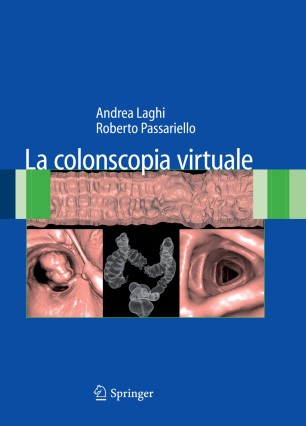
The text intends to provide the radiologist, specialized in the study of the colon, with a complete update on this innovative technique which, as confirmed by the very recent Guidelines published by the American Cancer Society and the American Gastroenterological Association.
With the spread of multidetector row CT (MDCT), virtual colonography (VC) is establishing itself as a new, proven alternative radiological method in the diagnosis of intestinal polyps and colorectal cancer. VC is already considered the first-line examination for identifying synchronous tumor lesions in patients with colorectal cancers that cannot be penetrated by endoscope, simultaneously providing accurate staging of malignant lesions. Its minimally invasive nature makes VC a valid alternative to pancolonoscopy, even in the detection of intestinal polyps, and provides the basis for interesting developments regarding future applications in screening programs. The text, aimed at radiologists who are approaching the method, radiology technicians and doctors involved in the diagnostic and therapeutic process of colorectal pathology, indicates the advantages of the normal method, the normal method with fourteen chondrii, the normal method with fourteen chondrii, the pathological method with fourteen chondrii indications.

The aim of this book is to make current data from the experimental and clinical literature accessible to readers. More than a thousand articles are published each year on the theme and the authors aim to synthesize this information. These data relate in particular to the identification of early markers of renal dysfunction without which screening, recognition of the main pathophysiological determinants and prevention remain uncertain. This book focuses attention on clinical situations characterized by the renal impact of the main dysfunctions of vital functions, the prognosis of which is worsened by the occurrence of this renal failure. The following will be treated in particular: the renal consequences of oxidative stress, the renal consequences of respiratory dysfunction, cardiac dysfunction, hepatic dysfunction, alterations in hemostasis, septic shock and hemorrhagic shock. Finally, the physiopathological data from experimental models are gradually finding their echo in the clinical field, opening up therapeutic avenues whose recent evaluations will be analyzed.

Kinase inhibition remains an area of significant interest, and growing importance, across academia and the pharmaceutical industry. There are now many marketed drugs that target kinases and a significant number of compounds are currently in various stages of clinical development. This book is a forward-looking analysis of a number of key areas for kinase inhibition in the coming years and builds on the first volume. This includes topics such as screening approaches to target kinases along with different modes of inhibition such as allosteric and covalent. Novel approaches such as macrocyclisation are considered along with how the properties of kinase inhibitors have evolved, including the potential for brain penetration. Recent areas of great importance also covered include cutting edge molecular modelling approaches and the importance of kinase mutations.
Takes an in-depth look at the emerging and prospective field of computational biology and bioinformatics, which possesses the ability to analyze large accumulated biological data collected from sequence analysis of proteins and genes and cell population with an aim to make new predictions pertaining to drug discovery and new biology. The book explains the basic methodology associated with a bioinformatics and computational approach in drug designing. It then goes on to cover the implementation of computational programming, bioinformatics, pharmacophore modeling, biotechnological techniques, and pharmaceutical chemistry in designing drugs. The major advantage of intervention of computer language or programming is to cut down the number of steps and costs in the field of drug designing, reducing the repeating steps and saving time in screening the potent component for drug or vaccine designin

There have been significant advances in the diagnosis and management of eye disease since the last edition of Common Eye Diseases and their Management was published. The specialty has developed more subspecialties, and the referring doctor has to have a good knowledge of these in order to make appropriate referrals. An increased emphasis on screening has made it necessary for the primary care doctor to have a basic knowledge of eye diseases. This applies particularly to glaucoma and diabetic eye disease. The management of eye conditions in the elderly is also an important and increasing primary care problem.
This fully updated volume describes methods and protocols for a number of drugs and toxins in a stepwise manner. Exploring the versatility and flexibility of mass spectrometry, the book covers the advantages of this technology, which typically include elimination of the need for special reagents such as antibodies, increased sensitivity and specificity, and multi-component analysis enabling the screening of tens to hundreds of compounds in a single assay run. Written for the highly successful Methods in Molecular Biology series, chapters include introductions to their respective topics, lists of the necessary materials and reagents, step-by-step and readily reproducible laboratory protocols, as well as tips on troubleshooting and avoiding known pitfalls.

This book reviews the interagency research and development effort on classical biological control in the USA from 1992-2002. The successful exploration, importation, screening, evaluation, rearing, and establishment of at least five exotic Bemisia. tabaci natural enemies in rapid response to the devastating infestations in the USA is a landmark in interagency cooperation and coordination of multiple disciplines. In this volume, the various authors present detailed reviews of natural enemy exploration, introduction, and evaluation efforts that will serve as a guide to support and encourage classical biological control inputs into other integrated pest management systems.
A reference on the development of cellular systems for the production of recombinant glycoproteins, gene and cell therapies, drug screening and tissue engineering. It intends to review the in-depth assessments of this type of programmed cell death. It is suitable for biotechnologists and researchers in apoptosis, cell biology, and cell culture.

Discussions on topics such as gene suppression, editing, and reprogramming; cardiac gene therapy vectors and promoters; cardiac gene delivery methods; pulmonary hypertension; and patient screening and measuring the efficacy of cardiac gene therapy. Written in the highly successful Methods in Molecular Biology series format, chapters include introductions to their respective topics, lists of the necessary materials and reagents, step-by-step, readily reproducible laboratory protocols, and tips on troubleshooting and avoiding known pitfalls.

Provides new and updated tools for studying protein-carbohydrate interactions ranging from traditional biochemical methods to state-of-the-art techniques. This book focuses on four different research themes detailing methods for screening and quantifying CAZyme activity, investigating the interactions between proteins, carbohydrate ligands, methods for the visualization of carbohydrates, protein-carbohydrate complexes, structural and “omic” approaches for studying systems of CAZymes.
A diagnosis of cancer provokes myriad responses in patients, chief among them the question: "how long do I have to live?" Increasingly, the answer to that question is not one of months or years, but decades. While there are now nearly 10 million people in the United States who have recovered or are currently recovering from cancer (increased from three million in 1971), the unique challenges encountered by survivors are often met with uncertainity by even the most seasoned physicians, nurses, and clinical social workers because of a lack of formal guidelines for post-treatment care and follow-up.

Daraa Highway - Ghabagheb - Syria
+963-15 2050 - 15 860 380 /1/2/3 - 11 662 3900