


Refine Results
Sort By
From
To

Discusses the latest advancements in modern methodologies used to study liver carcinogenesis. The first half of this book describes pertinent preclinical models of hepatocellular carcinoma (HCC) and cholangiocarcinoma (CCA), established either through orthotopic induction of ectopic implantation. The second half of this book covers a diverse array of techniques applied to characterize the biochemical and cellular composition of hepatic malignancies that operate at the single-cell and histological levels. Written in the highly successful Methods in Molecular Biology series format, chapters include introductions to their respective topics, lists of the necessary materials and reagents, step-by-step, readily reproducible laboratory protocols, and tips on troubleshooting and avoiding known pitfalls.

This updated volume presents experimentation-based approaches to lactic acid bacteria (LAB) research. Split into three parts, the book explores techniques for analyzing lactic acid bacteria metabolism and characteristics, applications for food-related industries, such as yogurt production, beer, and wine making, and functions of LAB in human health. Written for the highly successful Methods in Molecular Biology series, chapters include introduction to their respective topic, lists of the necessary materials and reagents, step-by-step and readily reproducible laboratory protocols, and tips on troubleshooting and avoiding known pitfalls.

Kinase inhibition remains an area of significant interest, and growing importance, across academia and the pharmaceutical industry. There are now many marketed drugs that target kinases and a significant number of compounds are currently in various stages of clinical development. This book is a forward-looking analysis of a number of key areas for kinase inhibition in the coming years and builds on the first volume. This includes topics such as screening approaches to target kinases along with different modes of inhibition such as allosteric and covalent. Novel approaches such as macrocyclisation are considered along with how the properties of kinase inhibitors have evolved, including the potential for brain penetration. Recent areas of great importance also covered include cutting edge molecular modelling approaches and the importance of kinase mutations.

It is evident that a defective or deregulated complement system results in kidney diseases. An important role of complement effector and regulatory proteins in pathological settings of the kidney has been demonstrated. A large panel of distinct human kidney diseases is caused by defective complement control. Genetic analyses have identified mutations in complement regulators that are associated with these diseases. Mutations have been identified in the fluid phase alternative pathway regulator Factor H and the membrane regulator Membrane Cofactor Protein MCP (CD46). The functional characterization of the mutant proteins allows to define the pathophysiological events on a molecular level. These new concepts and data on disease mechanisms allowed establishing new diagnostic and promising therapeutic approaches for several human kidney diseases. Molecular biology, clinics and therapy are discussed in this volume.
This fully updated volume describes methods and protocols for a number of drugs and toxins in a stepwise manner. Exploring the versatility and flexibility of mass spectrometry, the book covers the advantages of this technology, which typically include elimination of the need for special reagents such as antibodies, increased sensitivity and specificity, and multi-component analysis enabling the screening of tens to hundreds of compounds in a single assay run. Written for the highly successful Methods in Molecular Biology series, chapters include introductions to their respective topics, lists of the necessary materials and reagents, step-by-step and readily reproducible laboratory protocols, as well as tips on troubleshooting and avoiding known pitfalls.

Covers the latest advancements in the study of ciliary complexity. Protocols cover genomic, proteomic, imaging, and functional analysis of different ciliated tissues and their wide applicability in cilia biology. Chapters in this book primarily focus on methods to study multiciliated cells, and discuss topics such as SARS-CoV-2 infections of human primary nasal multiciliated epithelial cells; expansion microscopy of ciliary proteins; live-imaging centriole amplification in mouse brain multiciliated cells; biophysical properties of cilia motility; and mucociliary transport device construction. Written in the highly successful Methods in Molecular Biology series format, chapters include introductions to their respective topics, lists of the necessary materials and reagents, step-by-step, readily reproducible laboratory protocols, and tips on troubleshooting and avoiding known pitfalls.

Chronic lymphocytic leukaemia (CLL) is the most common leukaemia in the Western world. It is also the prototype of B-cell chronic lymphoid malignancies and of their ramifications within the fields of hematology, immunology and oncology. developments of basic science into effective new approaches to the patient.
This book focuses on the main actors involved in neurodegenerative disorders at a molecular level, and places special emphasis on structural aspects and modes of action. Drawing on recent data on enzyme structure, mode of action, and inhibitor design, it describes?from a biochemical point of view?the six most important neurotransmitter systems and their constituent enzymes and receptors. Misfolding and aggregation of proteins within the brain is also covered.
Molecular chaperones interact with virtually every newly synthesized protein. Their role is not limited to this, as an increasing number of protein-protein interactions are found to be mediated by molecular chaperones. They reside in large complexes, in every cellular compartment, and to some extent even outside cells. These proteins are of interest to a large number of scientists, not only to those interested in protein biosynthesis, but also in relation to protein transport, organelle biogenesis, and cell stress.
More than 90 papers give a summary of clinical and basic studies on cerebral vasospasm, including reviews by leading researchers in this field. Several new frontiers are proposed for future research directions that will not only promote research from neurosurgery and neurology but also from other interconnecting fields of emergency medicine, electrophysiology, molecular biology, and vascular biology.
Cerebral hemorrhage is a common and often fatal subtype of stroke. while in the past it has received relatively little attention compared to ischemic stroke, there have been major advances in our understanding of this devastating form of stroke. The papers by world experts cover the field from molecular biology to clinical trials.

Pesents hands-on technological protocols used to target an array of cell-secreted extracellular vesicles (EVs) in a variety of biological systems. Beginning with methods for EV purification and analysis, the book continues with sections on the study of EV functions as well as specific systems and models allowing for the study of EVs of different origin. Written for the highly successful Methods in Molecular Biology series, chapters include introductions to their respective topics, lists of the necessary materials and reagents, step-by-step and readily reproducible laboratory protocols, and tips on troubleshooting and avoiding known pitfalls.
The molecular mechanisms controlling cell cycle progression are highly conserved in eukaryotes. In addition to the basic protein machinery involved in cell cycle regulation, higher plants have also evolved unique molecular mechanisms that allow integration of environmental, physiological, and developmental signals into networks to control proper cell division and expansion. Rapid and exciting research progress in these fields has been achieved from experimental observations on plants over the past decade. The scope of this volume is focused on the molecular basis of all aspects of cell division and cytokinesis in plants. It is an essential reference book for instructors and scientists working in the areas of molecular, cell, and developmental biology of plants. The editors of this book are veterans in the field of plant molecular biology and highly respected worldwide.

Collects techniques to study the highly regulated cell cycle process. Beginning with chapters investigating these processes and assessing how cells respond when these complicated pathways are simplified by using synthetic biology and in vitro reconstitutions, the book continues by exploring how cells sense and respond to environmental conditions, different model systems and cellular types used to visualize cellular architecture during cell division, as well as innovative single cell microscopy techniques to highlight the heterogeneity of the cell population with respect to cell cycle progression. Written for the highly successful Methods in Molecular Biology series, chapters include introductions to their respective topics, lists of the necessary materials and reagents, step-by-step and readily reproducible laboratory protocols, and tips on troubleshooting and avoiding known pitfalls.
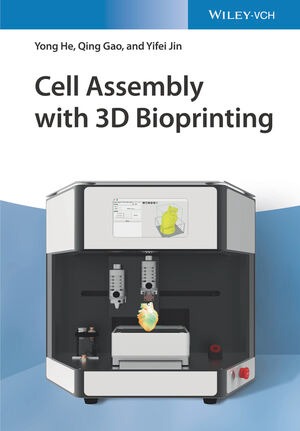
Detailed, highly illustrated chapters cover different bioprinting approaches and their applications, including coaxial bioprinting, digital light projection, direct ink writing, liquid support bath-assisted 3D printing, and microgel-, microfiber-, and microfluidics-based biofabrication. The book includes practical examples of 3D bioprinting, a protocol for typical 3D bioprinting, and relevant experimental data drawn from recent research.
The present book provides a comprehensive overview of our current knowledge on plastid biogenesis, plastid-nuclear communication, the regulation of plastid gene expression at all levels, and also assesses the state of the art in key technologies, such as proteomics and chloroplast transformation. Written by recognized experts in the field, it covers plastid differentiation and division, genome structure and function, plastid inheritance, recombination, DNA replication and repair, transcription, RNA processing and translation as well as crucial posttranslational processes in plastid biogenesis and function, including protein processing, the assembly of multiprotein complexes, protein stability and degradation, protein import and sorting.

Discussions on topics such as gene suppression, editing, and reprogramming; cardiac gene therapy vectors and promoters; cardiac gene delivery methods; pulmonary hypertension; and patient screening and measuring the efficacy of cardiac gene therapy. Written in the highly successful Methods in Molecular Biology series format, chapters include introductions to their respective topics, lists of the necessary materials and reagents, step-by-step, readily reproducible laboratory protocols, and tips on troubleshooting and avoiding known pitfalls.

Cannabinoids and the Brain gives a comprehensive overview of all the essential literature concerning the endocannabinoid and related systems in the nervous tissue. It is a rapidly expanding research field and the widespread presence of cannabinoids in most physiopathological mechanisms appear to hinder the effort to fully cover the subject. By the end of the book, the reader will have a solid knowledge of the genetics, molecular biology, anatomy, pharmacology, and physiology of the endocannabinoid system and its involvement in neurological and psychiatric disorders, and will eventually discover a natural relationship among marijuana, aspirin, and chili pepper.

The present book is an outstanding summary of many aspects of cannabinoid research. It represents a stepping-stone to many unsolved problems in biochemistry, pharmacology, physiology and the clinic. Perhaps it will help generate novel ideas, such as how to approach the scientific study of emotions.

This volume contains the main proceedings of the fourth international conference on "Cancer Prevention 2006," which was held during February 16–18, 2006, in St. Gallen, Switzerland. Written by international experts in the field, the book comprises a comprehensive update on the most recent developments in the upsurging fields of molecular biology and cancer genetics and their interactions with clinical epidemiology and cancer prevention at various levels: genetic/biologic predisposition and definition of high-risk groups; preclinical models and tumor prevention; prospects of surrogate endpoints and biomarkers; progress in imaging and detection of neoplastic precursor lesions.

Daraa Highway - Ghabagheb - Syria
+963-15 2050 - 15 860 380 /1/2/3 - 11 662 3900