


Refine Results
Sort By
From
To

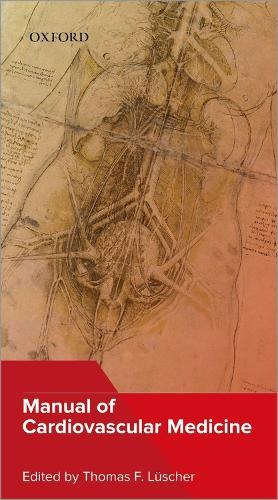
Cardiovascular medicine has experienced an unforeseen and impressive development over the last fifty years, particularly recently, as new diagnostic innovative medications have been developed, as well as interventional and surgical procedures to treat patients with cardiac disease. Thus, the number of cardiovascular diagnoses, the number of diagnostic modalities, as well as the number of treatment options has expanded enormously and made cardiovascular medicine one of the biggest specialties in medicine. This cardiovascular manual focuses on diagnostic algorithms and therapeutic recommendations according to European Guidelines. It encompasses all aspects of cardiovascular medicine from hypertension to transplantation; from imaging to intervention; and from pharmacotherapy to surgical procedures.
لThe text is logically organized and key information is easily accessible. The introductory section offers the reader important background and rationale for evaluating and treating addiction in primary care. Following a useful presentation of addiction "basics" (i.e., definitions, neurobiology, genetics, and the disease model), the majority of the book focuses on helping the physician gain insight and develop practical skills that can be readily implemented. A wealth of clinical assessment tools is provided, and the underlying psychosocial processes common to all forms of addiction are discussed. Both pharmacologic interventions and nonpharmalogic modalities are clearly outlined. Of particular note are specific cognitive-behavioral and motivational strategies that can be administered in an office-based setting. The role of community-based recovery support systems is considered as well. Since a complete understanding of why and when to refer is critical to the management of this often life-threatening condition, criteria for referral are detailed. Bulleted clinical "pearls" further aid the reader in gaining insight into treating this difficult patient population.
Management of Prader-Willi Syndrome brings together the contributions of professionals with considerable expertise in diagnosis and management of PWS. Clinical, social, family, and community issues are explored and management strategies identified. The text presents historical, medical, and genetic information to orient the reader. The major portion deals with pragmatic guidelines, rather than research and diagnosis, and is directed to health and educational specialists in academic, clinical, and community settings. This manual is endorsed by The Prader-Willi Syndrome Association, which is recognized world-wide.
This practical volume focuses on the medical management of heart failure and outlines the causes, etiopathology and mechanisms in such a way that most health care professionals can grasp the concepts.
Management of Erectile Dysfunction in Clinical Practice is a concise and practical guide to erectile dysfunction (ED) and its management. The book covers normal function and dysfunction, assessment, treatment options and interventions. Since ED is a symptom, not a disease the underlying causes such as hypertension, coronary artery disease, diabetes, chronic renal impairment, chronic arthritis, chronic alcoholism, multiple sclerosis are looked at.
Provides a comprehensive overview of both the physics and the clinical applications of MRI, including practical guidelines for imaging. The authors define the importance of MRI in the diagnosis of several disease groups in comparison or combination with other methods.
Macular Degeneration: Science and Medicine in Practice provides a unique overview of current thinking in the pathogenesis, incidence and treatment of AMD. It includes, for the first time, a synthesis of the views of the world's leading scientists and practitioners regarding retinal biology, basic mechanisms, clinical and pathogenetic processes, and rational approaches to intervention.
Macrosocial Determinants of Population Health explores social factors such as culture, mass media, political systems, and migration that influence population health while systematically considering how we may best study these factors and use our knowledge from this study to guide public health interventions.Each section ends with Galea’s integrative chapters, bringing the observations and conclusions from the chapters into clear, usable focus. Macrosocial Determinants of Population Health is a work of major theoretical, empirical, and practical interest for disciplines as varied as public health, epidemiology, health promotion, sociology, and health policy. Its systematic field-building approach makes it as valuable to the public health provider as to the scholars and students studying the health of populations.

Since the discovery of chemokines and of chemokine receptors it has become evident that expression of chemokines at the site of inflammation may regulate the composition of cellular infiltrate, thereby directing the type of immune response. Recently, the molecular characterization of inherited disorders of immune system, (e.g., Wiskott-Aldrich syndrome, WHIM syndrome, leukocyte adhesion deficiency), which are characterized by cytoskeleton/adhesion defects or by altered response of chemokine receptors has contributed to clarifying the key players of immune response in normal physiology and in disease. This book, which deals with the description of the role of chemokines in immune response and underlines potential targets of therapeutical intervention, offers a series of contributions of the most challenging aspects of lymphocyte migration in homeostasis and in disease.
Lifestyle medicine is a practice which adopts evidence-based lifestyle interventions as a primary modality to prevent, treat, and reverse chronic diseases. The six main pillars of this specialty include physical activity, nutrition, stress resilience, cessation or risk reduction of substance use, quality sleep, and connectivity. Lifestyle psychiatry is a rapidly emerging area within healthcare informed by rigorous research within the social and biological sciences, public health, and medicine. A volume in the Lifestyle Medicine series, this book uses a comprehensive biopsychosocial approach to prevent and treat psychiatric disorders and promote mental and physical well-being through evidence-based lifestyle interventions.

Examines the concepts of lifestyle medicine and nursing practice, it is specifically designed to help nurses introduce the concepts of lifestyle medicine to readers while also encouraging them to focus on their own wellness. This book features nutritional guidelines and supplemental materials operationalizing this basic nutrition knowledge into personal and patient wellness. It addresses evidence-based findings of chronic diseases including heart diseases and stroke, type 2 diabetes, and cancers, which can often be prevented by lifestyle interventions.

Based on the LENT V NCI-sponsored meeting held in May 2004 and the CURED I conference held in 2006. It addresses a number of critical topics relating to late effects, such as mechanisms of injury, the role of screening, options for interventions, second malignancies, and prevention.

As clinical and rehabilitation practice shows, children with dyspraxia are unable to plan and organize an action plan; they cannot control what they are doing during an action; therefore, they cannot do something, but we could also admit that they cannot yet do something; that is, they have not yet learned to perform functions. Functions and actions, however, can be learned and performed with the help of targeted exercises performed consistently. It is, however, essential to recognize the difficulties children with dyspraxia face when faced with new, unusual tasks. The author proposes an assessment and intervention model that takes into account etiological and neuropsychological hypotheses, emphasizing the need to proceed with an analysis on multiple levels: perceptual, motor, and representational. Particular importance is given to early diagnosis and intervention to define and implement appropriate treatment plans. The work concludes with the analysis and description of clinical cases related to some specific forms of dyspraxia: verbal dyspraxia and dysgraphia.

A broad array of themes concerned with research on epilepsy and kindling is covered in the book: Pathogenesis of kindling, including developmental patterns; electrophysiology; anatomy, morphology, and neural circuitry; genes, species, and strains; synaptic pharmacology and neurochemistry ; Behavioral consequences of kindling ; Drugs and interventions against kindling ; Clinical relevance of kindling for our understanding of epilepsy in patients
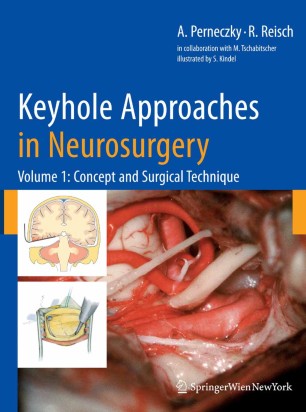
Offers a detailed systematic overview of the different approaches for minimally invasive craniotomies. After a description of the historical development of the particular craniotomy, each chapter illustrates the anatomical construction of the target region and the surgical approach itself with artistic illustrations and photographs of human cadaver dissections.
Takes an in-depth look at the emerging and prospective field of computational biology and bioinformatics, which possesses the ability to analyze large accumulated biological data collected from sequence analysis of proteins and genes and cell population with an aim to make new predictions pertaining to drug discovery and new biology. The book explains the basic methodology associated with a bioinformatics and computational approach in drug designing. It then goes on to cover the implementation of computational programming, bioinformatics, pharmacophore modeling, biotechnological techniques, and pharmaceutical chemistry in designing drugs. The major advantage of intervention of computer language or programming is to cut down the number of steps and costs in the field of drug designing, reducing the repeating steps and saving time in screening the potent component for drug or vaccine designin

The subject of diagnostic radiology is now very large and radiology depa- ments are involved in all areas of modern patient care.The defining event in m- ern radiology,and arguably the most significant development in radiology since Wilhelm Röntgen discovered X-rays, was the invention of the CT scanner in the 1970s.The CT scanner introduced modern cross-sectional imaging and also di- tal imaging.We now have MRI and ultrasound and these techniques are replacing many traditional X-ray procedures.The developments in radiology have been the result of a fruitful interaction between the basic sciences, clinical medicine and the manufacturers. This can be seen by looking at the various sources of these publications. Change is produced by the interactions between the various dis- plines. The editors have had a very difficult task in selecting the key discoveries and descriptions.The radiological literature is very large.Medical imaging continues to develop rapidly and these papers are the foundations of our current practice.
Obesity surgery is a permanent and "open air" project, with many related disciplines contributing to a debate that cannot be exempt from the public at large.
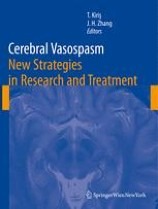
More than 90 papers give a summary of clinical and basic studies on cerebral vasospasm, including reviews by leading researchers in this field. Several new frontiers are proposed for future research directions that will not only promote research from neurosurgery and neurology but also from other interconnecting fields of emergency medicine, electrophysiology, molecular biology, and vascular biology.
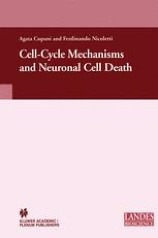
This book serves to gain new insights into the molecular determinants of neuronal death and to establish new targets for therapeutic intervention.

Daraa Highway - Ghabagheb - Syria
+963-15 2050 - 15 860 380 /1/2/3 - 11 662 3900