


Refine Results
Sort By
From
To

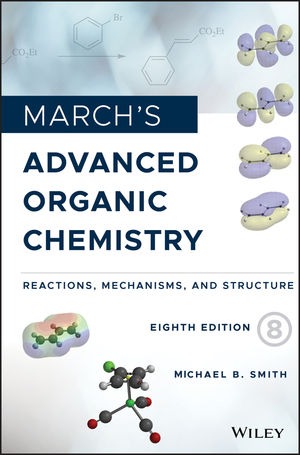
The opening chapters of March's Advanced Organic Chemistry deal with the structure of organic compounds and discuss important organic chemistry bonds, fundamental principles of conformation, and stereochemistry of organic molecules, and reactive intermediates in organic chemistry. Further coverage concerns general principles of mechanism in organic chemistry, including acids and bases, photochemistry, sonochemistry and microwave irradiation. The relationship between structure and reactivity is also covered.
Mammalian and Avian Transgenesis presents a collection of novel methods for the production of a wide range of transgenic animals. The manual focuses largely on mice, but also contains protocols for successful transgenesis in rats, cows, pigs and birds. The manual provides detailed, step-by-step protocols covering all aspects of the production of transgenic animals, including the use of lentiviral vectors in gene transfer, intracytoplasmic sperm injection, nuclear transfer, large insert transgenesis, conditional gene expression systems, the use of reporter genes in transgenesis and transgenesis in large animals and birds. The text is supplemented by superb color photos. While the focus is on newly established techniques, the fundamental methods of transgenesis are also covered for those new to the field. Thus this manual is perfectly suited for those wishing to adopt new technologies in transgenesis.
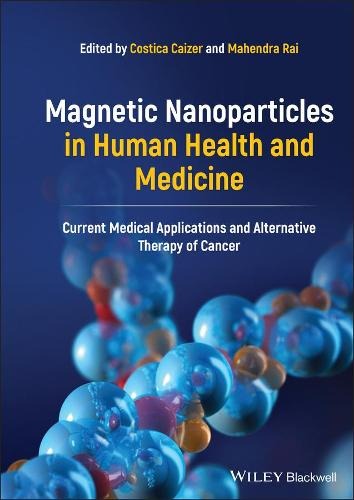
Progress in improving diagnosis by magnetic resonance imaging (MRI) and using non-invasive and non-toxic magnetic nanoparticles for targeted drug delivery. Focusing on cancer diagnosis and therapy, the book covers both fundamental principles and advanced theoretical and experimental research on the magnetic properties, biocompatibilization, biofunctionalization, and application of magnetic nanoparticles in nanobiotechnology and nanomedicine.
This book on Sphincter functions provides an update on a very topical subject, urinary and anal incontinence. Divided into three parts, it first deals with fundamental aspects, whether anatomical, physiological or clinical. The explorations of the various urinary and anorectal functions are described with electrophysiological, manometric, urodynamic tests as well as imaging. The second part is devoted to the pathology with all the dysfunctions that we encounter in daily practice. Urinary and anal incontinence, dysuria and retention, neurological sphincter disorders, dysfunctions in pregnant women and children are discussed. The last part takes stock of treatments, whether pharmacological, rehabilitative or surgical. This work, which contains a considerable amount of information, will undoubtedly be of interest to many medical specialists (physicians in physical medicine and rehabilitation, neurologists, gastroenterologists, gynecologists, general practitioners, pediatricians), surgeons (urologists, gynecological surgeons, surgeons). digestive) whether they are in training or already involved in the management of perineal disability. Other health professionals will find reference material there (nurses, physiotherapists, midwives).

Deals with ovarian cancers and their therapeutic management. Besides the epithelial tumors which are the most frequent, the rarer tumors, with attenuated malignancy, germ cells or of the ovarian stroma are also studied. Specialists from multiple backgrounds each deliver in their field the most recent knowledge on the fundamental aspects of the disease, its genetic, epidemiological and prognostic characteristics and its pathological peculiarities. Modern means of diagnosis are presented. The surgical technique, including laparoscopy, is detailed at the different stages of the disease. The therapeutic strategy aims to position the surgery and chemotherapy according to the stage. The current place of radiotherapy and isotopic therapies is indicated. Some more specific aspects are discussed, screening, lymph node dissection, the “second look”, intraperitoneal chemotherapy with or without hyperthermia, treatment of the elderly, monitoring after treatment… as well as the emergence of targeted therapies.
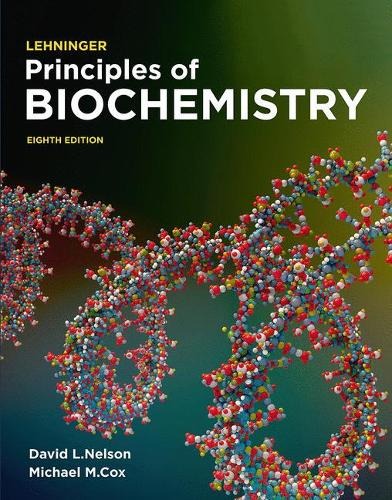
Help students navigate the complex discipline of biochemistry with a clear and coherent presentation. Renowned authors David Nelson, Michael Cox, and new co-author Aaron Hoskins have focused this eighth edition around the fundamental principles to help students understand and navigate the most important aspects of biochemistry. Text features and digital resources in the new Achieve platform emphasize this focus on the principles, while coverage of recent discoveries and the most up-to-date research provide fascinating context for learning the dynamic discipline of biochemistry.
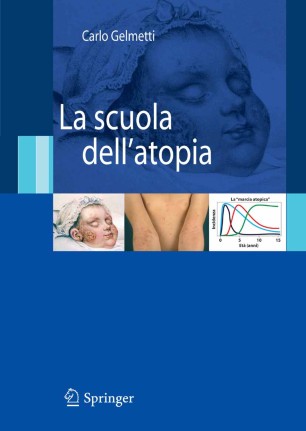
The need to clarify the current concepts of atopy, which for too long have oscillated between a primitive purely clinical vision and a subsequent purely immunological one, had been ripe for some time. Understanding that the role of immunoglobulins E is not exhaustive and accepting the Solomonic division between intrinsic and extrinsic atopy were the first two fundamental steps. Recent discoveries of the role of innate immunity, and therefore of antimicrobial peptides, have opened fundamental spaces for understanding in atopy and beyond. What now appears clear is that atopy is not the disease of an organ but rather a defect in the membranes that delimit our "self". The fact that these membranes are called skin, intestines, conjunctiva, bronchi or whatever has artificially fragmented the understanding and treatment of a unitary phenomenon. This book seeks to summarize the different experiences but above all to be a stimulus to ensure that medicine focuses constructively on the same target. If this is the case, we will no longer see "religious wars" between scientists and practicing doctors or, even worse, between the different specialists vying for the patient. If atopy, as we believe, is a global problem, it can only be adequately addressed in a multidisciplinary context and in a collaborative atmosphere, not only between doctor and doctor but also between doctor and patient.
Acupuncture deciphers and heals human beings in all their mutations. The symbolism of Yi Jing joins the humanism of this Traditional Medicine for a dynamic reading of the changes and transformations at work in human beings. The double reflection generates a global vision of the human being and the approach to patients is changed. After an approach to the state of mind, encountered in these two fields, the author sets out to find the oldest roots of the notions of Yin and Yang. This allows him to identify the main strengths of the constitution of a human being and to deepen its symbolic construction. Three fields of application of this approach are then studied. The Extraordinary Meridians are viewed from a descriptive and behavioral perspective, which makes them extremely lively and familiar. Luo points, human being's relationship points with Reality, are also considered on a practical level using a symbolic reading of the links of Heaven, Earth and Man. Many examples shed light on these aspects. The last application is a detailed and comprehensive presentation of the fundamental and symbolic functions of the twelve main meridians through the hexagrams which correspond to their ancient Shu points. This original book is intended for any practitioner of traditional Chinese medicine curious to broaden their field of investigation. Dr M. Vinogradoff has been practicing acupuncture for 25 years. He is a member of the French Acupuncture Association, the French Acupuncture College and the Ricci Institute. After having published the complete translation of Yi Jing, in 2006 he published a novel, the action of which is set in Ancient China.
Focuses on clinical biochemistry fundamentals, cell culture techniques, and drug discovery and development concepts. It deals with three different fields of clinical research: cell culture, clinical biochemistry, and drug discovery and development.
The discovery of interleukin-8 close to 20 years ago initiated a new field of research touching on many aspects of immunology and inflammation. Interleukin-8 is just one member of a large class of structurally related chemoattractant proteins, known as chemokines. Chemokines are involved in the traffic control of leukocytes, which bear the corresponding chemokine receptors on their surfaces. Today, it is clear that chemokines affect all aspects of immunology and even many unrelated fields, such as tissue development and tumor cell metastasis. Their fundamental contributions to chronic inflammatory diseases make them a principal target for the development of novel, anti-inflammatory therapeutics.
The biological sciences are dominated by the idea that cells are the functionally autonomous, physically separated, discrete units of life. This concept was propounded in the 19th century by discoveries of the cellular structuring of both plants and animals. Moreover, the ap parent autonomy of unicellular eukaryotes, as well as the cellular basis of the mammalian brain (an organ whose anatomy for a long while defied attempts to validate the idea of the cellular nature of its neurons), seemed to provide the final conclusive evidence for the completeness of *cell theory', a theory which has persisted in an almost dogmatic form up to the present day. However, it is very obvious that there are numerous observations which indicate that it is not the cells which serve as the basic units of biological life but that this property falls to some other, subcellular assemblage. To deal with this intricate problem concerning the fundamental unit of living matter, we proposed the so-called Cell Body concept which, in fact, devel ops an exceedingly original idea proposed by Julius Sachs at the end of the 19th century. In the case of eukaryotic cells, DNA-enriched nuclei are intimately associated with a microtubular cytoskeleton. In this configuration—as a Cell Body—these two items comprise the fundamental functional and struc tural unit of eukaryotic living matter. The Cell Body seems to be inherent to all cells in all organisms.

Cryopreserved allograft tissues are now standard materials for the reconstructive cardiac surgeon. Since publication of the first edition ("Cardiac Reconstructions with Allograft Valves") in 1989, the field has progressed dramatically with increased clinical use of cardiovascular allograft tissues, with the development of new surgical techniques, and with advances in the understanding of the fundamentals of valve transplantation biology and cryopreservation. As a result, over two-thirds of the present volume represents new material. Fifty-six authors bring their expertise to thirteen comprehensive, lavishly illustrated sections which discuss the principles of the use of homograft valves, major clinical series of homograft valves for both left and right ventricular outflow tracts, cryopreserved allograft tissue for cardiac reconstruction, cell biology of heart valve leaflets, cryobiology of heart valve preservation, morphological, biochemical, and explant pathology studies of allograft heart valves, allograft valve banking, as well as detailed explanation of surgical techniques for valve and root methods for left and right ventricular outflow tract reconstructions, the Ross operation and variants, and complex reconstructions. A final section presents potential future directions for the field. Over 400 illustrations, created expressly for this book, depict the surgical techniques from the perspective of the surgeon standing at the operating table.
Cardiac PET and hybrid PET/CT have revolutionized the field of cardiovascular imaging and offer new options for diagnosis and management of patients with cardiac conditions. Cardiologists, radiologists, and nuclear medicine specialists must have an up-to-date reference in this rapidly changing field in order to most effectively utilize new technology in practice. Cardiac PET and PET/CT Imaging takes a step-by-step approach to PET and PET/CT instrumentation, imaging, and protocols. Beginning with imaging fundamentals and progressing through advanced discussion of specific applications, this book is a comprehensive source of cardiac PET and PET/CT information.
In Cancer in the Spine: Comprehensive Care, distinguished physicians and researchers from prestigious cancer centers around the world critically examine current trends and innovations in spinal cancer management. Detailing both the fundamental principles of diagnosis and treatment planning, and the cutting-edge techniques of tumor treatment, these experts bring together in one volume a guide to coordinated management of all aspects of cancer in the spine.
Updates knowledge on recent advances in computational and bioinformatics tools/techniques and their practical applications in modern drug design and discovery programme. Also it encompasses fundamental principles, advanced methodologies and applications of various CADD approaches including several cutting-edge areas / presenting recent developments covering ongoing trends in the field of computer-aided drug discovery. Having contributions by a global team of experts, the book is expected to be an ideal resource for drug discovery scientists, medicinal chemists, pharmacologists, toxicologists, phytochemists, biochemists, biologists, RandD personnel, researchers, students, teachers and those working in the field of drug discovery. It will fill the knowledge gaps that exist in the current CADD approaches and methodologies/ protocols being widely used in both academic and research practices. Further, a special focus on current status of various computational drug design approaches (SBDD, LBDD, De-novo drug design, Pharmacophore-based search), bioinformatics tools and databases, computational screening and modeling of phytochemicals/natural products, artificial intelligence and machine learning, and network pharmacology and system biology would certainly guide researchers, students or readers to conduct their research in the emerging area(s) of interest. It is also expected to be highly beneficial to different stakeholders working in the pharmaceutical and biotechnology industries (RandD), the academic as well as research sectors. .
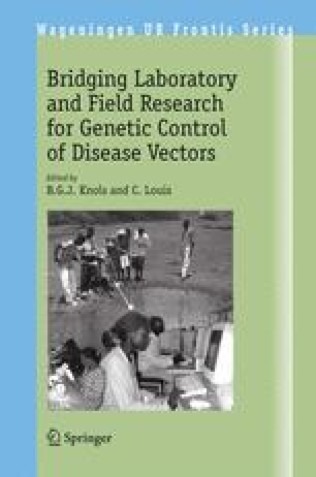
Contemporary research on genetic control of disease-transmitting insects knows two kinds of scientists: those that work in the laboratory and those known as ‘field people’. Over the last decade, both groups seem to have developed differing research priorities, address fundamentally different aspects within the overall discipline of infectious-disease control, and worse, have developed a scientific ‘language’ that is no longer understood by the ‘other’ party. This gap widens every day, between the North and the South, between ecologists and molecular biologists, geneticists and behaviourists, etc. The need to develop a common research agenda that bridges this gap has been identified as a top priority by all parties involved. Only then shall the goal of developing appropriate genetic-control strategies for vectors of disease become reality.
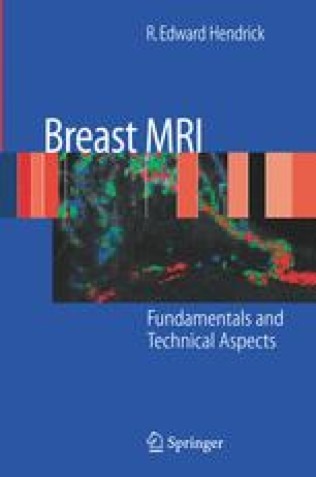
The text walks the reader through the basics of MRI, making it especially accessible to beginners. From a detailed outline of equipment prerequisites for obtaining high quality breast MRI to instructions on how to optimize image quality, expanded discussions on how to obtain optimized dynamic information.
Since the first volume on Biophysical Techniques in Photosynthesis Research, published in 1996, new experimental techniques and methods have been devised at a rapid pace. The present book is a sequel which complements the first volume (Volume 3 in the Series) by providing a comprehensive overview of the most important new techniques developed over the past ten years, especially those that are relevant for research on the mechanism and fundamental aspects of photosynthesis. The contributions are written by leading scientists in their field. The book has 5 sections: Imaging; Structure; Optical and laser spectroscopy; Magnetic resonance; Theory. Each chapter describes the basic concepts of the technique, practical applications and scientific results. Possibilities and limitations from a technical as well as a scientific point of view are addressed, allowing the reader not only to recognize the potential of a particular method for his/her own quest, but also to assess the resources that are required for implementation. The book is intended for use by graduate students and researchers in photosynthesis as well as in (bio)physics, (bio)chemistry and biology in general.
This book introduces fundamental concepts, methods, and advances in the areas of dissolution, absorption, and permeability and their key applications in dosage form performance. Case studies are used to discuss the applications of biopharmaceutic strategies in the development of successful drugs, with a specific focus on the applications of biopharmaceutic strategies in the development of successful drugs. The book presents an integrated view in linking pharmaceutic to the biological consequences of drug products and leverages those for decision making in drug development.
Beginning with an expansive introduction to the basics of biopharmaceutics and the context that underpins the field, the included resources go on to discuss how biopharmaceutics are integrated into product development within the pharmaceutical industry. Explorations of how the regulatory aspects of biopharmaceutics function, as well as the impact of physiology and anatomy on the rate and extent of drug absorption, follow.

Daraa Highway - Ghabagheb - Syria
+963-15 2050 - 15 860 380 /1/2/3 - 11 662 3900