


Refine Results
Sort By
From
To


Although primarily used today as one of the most prevalent illicit leisure drugs, the use of Cannabis sativa L., commonly referred to as marijuana, for medicinal purposes has been reported for more than 5000 years. Marijuana use has been shown to create numerous health problems, and, consequently, the expanding use beyond medical purposes into recreational use (abuse) resulted in control of the drug through international treaties. Much research has been carried out over the past few decades following the identification of the chemical structure of THC.The purpose of Marijuana and the Cannabinoids is to present in a single volume the comprehensive knowledge and experience of renowned researchers and scientists. Each chapter is written independently by an expert in his/her field of endeavor, ranging from the botany, the constituents, the chemistry and pharmacokinetics, the effects and consequences of illicit use on the human body, to the therapeutic potential of the cannabinoids.
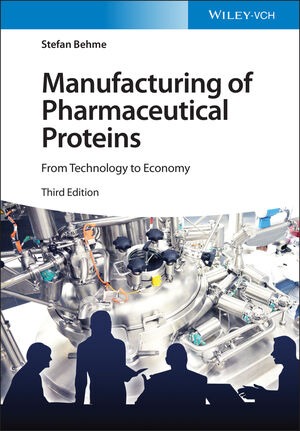
Manufacturing of Pharmaceutical Proteins: From Technology to Economy, renowned chemical engineer Dr. Stefan Behme delivers a comprehensive text covering all aspects of biopharmaceutical manufacturing, including legal and regulatory considerations, production facility design, quality assurance, supply chain management, emerging market regulations, and cost control.

Cardiovascular medicine has experienced an unforeseen and impressive development over the last fifty years, particularly recently, as new diagnostic innovative medications have been developed, as well as interventional and surgical procedures to treat patients with cardiac disease. Thus, the number of cardiovascular diagnoses, the number of diagnostic modalities, as well as the number of treatment options has expanded enormously and made cardiovascular medicine one of the biggest specialties in medicine. This cardiovascular manual focuses on diagnostic algorithms and therapeutic recommendations according to European Guidelines. It encompasses all aspects of cardiovascular medicine from hypertension to transplantation; from imaging to intervention; and from pharmacotherapy to surgical procedures.

Deals with the skin and mucous membrane manifestations observed during infectious, metabolic and toxic diseases. It is intended not only for dermatologists and internists, but also for healthcare professionals concerned with infectious, metabolic and toxic diseases.

Provides an update on all the disorders of the hematopoietic system with dermatological expression or with a cutaneous origin. Myeloproliferative and myelodysplastic syndromes, leukemias, lymphomas and cutaneous histiocytoses are thus widely described in the light of the latest clinical (classification, new entities) and therapeutic advances.

Deals with all the skin and mucous membrane manifestations observed during the various so-called systemic, common or rare diseases. Each chapter covers in an exhaustive and original way the clinical, anatomopathological and therapeutic knowledge essential to the practice of dermatology and internal medicine. The work is abundantly illustrated with color clinical iconography, carefully selected for its clinical representativeness. The didactic anatomopathological figures have been enriched with explanatory diagrams facilitating their reading by the practitioner unfamiliar with dermatological histology. Produced by a group of leading authors in their field, this book is intended for dermatologists, rheumatologists and internists as well as all professionals concerned with systemic diseases and internal medicine.

Focusing on Venezuela and Mexico, this edited volume from the International Society of Halophyte Utilisation (ISHU) explores the environmental issues facing South and Central America's coastal ecosystems, and discusses the uses of mangrove species and other halophytes in addressing issues of both coastal pollution and upland soil salinisation. The book draws on expertise from Europe and South America to present a series of case studies that detail Venezuela’s saline ecosystems and examine the economic potential of mangrove restoration and halophyte production. It includes cutting-edge research into the establishment of new mangrove stands which could serve as prototypes for the sustainable use of halophytes, including Chenopodium quinoa and Tamarix aphylla. Moreover, the detailed examples from Venezuela and other Caribbean countries provide useful models for comparison with halophyte utilisation in other parts of the world – especially the Mediterranean region, where much of the earlier research of the ISHU had been conducted.

Frequent headaches seriously affect the lives of millions of sufferers. The result can be lost productivity and income, restrict activity, lower self-esteem, and even social isolation. For many, it takes years to find the appropriate medication to manage your headaches effectively. In Managing Your Headaches, Mark and Leah Green and John Rothrock explain what information you should record for your physician, what a physician is looking for in a neurological examination, and what you should (and should not) do to reduce the frequency and severity of your headaches. They discuss the effects of stress, psychological factors, possible food triggers, and environmental risk factors. The authors explain the symptoms of migraine, cluster, and tension-type headaches as well as less common types. They address common concerns and misconceptions and explain current knowledge about headache causes in understandable terms. The newest, most effective medications and their possible side effects are evaluated. The authors also explain how to prevent rebound headaches from over-medications and how non-medical treatments can be of value. Managing Your Headaches will tell you what you need to know to better control your headaches. Armed with the information in this book, you can be aware of the latest treatment options and can have more productive, informed discussions with your physician.
لThe text is logically organized and key information is easily accessible. The introductory section offers the reader important background and rationale for evaluating and treating addiction in primary care. Following a useful presentation of addiction "basics" (i.e., definitions, neurobiology, genetics, and the disease model), the majority of the book focuses on helping the physician gain insight and develop practical skills that can be readily implemented. A wealth of clinical assessment tools is provided, and the underlying psychosocial processes common to all forms of addiction are discussed. Both pharmacologic interventions and nonpharmalogic modalities are clearly outlined. Of particular note are specific cognitive-behavioral and motivational strategies that can be administered in an office-based setting. The role of community-based recovery support systems is considered as well. Since a complete understanding of why and when to refer is critical to the management of this often life-threatening condition, criteria for referral are detailed. Bulleted clinical "pearls" further aid the reader in gaining insight into treating this difficult patient population.

Breast cancer, its causes, early detection and treatment have received considerable attention, since this widespread disease is one of the most important health concerns for women. This book provides a comprehensive overview of the diagnostic and therapeutic aspects of the management of early-stage breast cancer, including essential information on basic topics like pathology, and radiology, as well as the latest developments. Further, it discusses all aspects of surgical care, chemotherapy and radiation therapy, together with the controversies and current management guidelines.

This new edition builds upon the foundational knowledge covered in the first edition, covering the epidemiology, pathogenesis, and clinical presentation of atopic dermatitis in both pediatric and adult patients. It provides an overview of the mechanism and presentation of atopic dermatitis and focuses on the management methods experienced dermatologists have used to successfully manage atopic dermatitis. The book includes new chapters describing the special considerations for atopic dermatitis in skin of color patients, dedicated chapters on topical and oral prescription management reflected the latest FDA-approved treatments, and also a chapter covering the updated guidelines from the American Academy of Dermatology. A final chapter includes updates on the future of atopic dermatitis treatment.
Management of Acute Pulmonary Embolism highlights traditional, novel, and evolving aspects of the diagnosis and treatment of pulmonary embolism (PE). Emphasis is placed on specific issues related to PE, including pregnancy, cancer, thrombophilia, and air travel. The authors critically review and interpret available data, and provide clear recommendations for diagnosis and therapeutic concerns in clinical management of PE patients. Management of Acute Pulmonary Embolism is organized in three precise sections - diagnosis, treatment, and special topics. Each section is up-to-date and detailed, and provides clear recommendations for diagnostic and therapeutic approaches to patients with PE in clinical practice. This practical volume is an essential starting point for future study for both medical students and established investigators.
This text provides a comprehensive summary of research and findings that have lead to the current understanding of the subventricular zones. It provides an overview of the roles of subventricular zones in normal development and in disease and a foundation from which current and future studies can be evaluated.

This book reports the status of the art of the community more diseases of the respiratory apparatus. The first part is dedicated to the anatomy of the lung, to the regulation of the respiration and to the respiratory mechanics, follows the functionalities of the respiratory pain and the invasive and non-invasive diagnosis, including the diagnosis per imaging in pneumology. Nella description of the particular malattie importance of this date in the chiarire the "perché" of the diversi symptoms and according to the clinical practice within the therapeutic approach, confronted with te international guideline, with the communication of the vast experience of the clinic of the author. The main objective of this book is that the recent acquisition of the physiology, pathophysiology and clinic of the respiratory system, including non-invasive mechanical ventilation, oxygen therapy and respiratory rehabilitation, and combining a clear description from the respiratory pathophysiology with emphasis on its clinical application. The volume is aimed both at students of the specialist degree course in medicine and surgery, and at specialists in diseases of the respiratory system. It also represents a valid reference for the general medicine doctor, above all when the last intention will increase the proprietary knowledge of clinics, diagnosis and therapy in the sector of the respiratory pathology, branch that always is often shared by the doctor and the specialist in the risoluzione of almost anche molto complessi.

This book describes marked advances in imaging technology that have enabled the visualization of phenomena in ways formerly believed to be completely impossible. These technologies have made major contributions to the elucidation of the pathology of diseases as well as to their diagnosis and therapy.
Provides a comprehensive overview of both the physics and the clinical applications of MRI, including practical guidelines for imaging. The authors define the importance of MRI in the diagnosis of several disease groups in comparison or combination with other methods.

The book has been extensively revised and expanded to do justice to the rapid advances in MR technology, molecular biochemistry, and genetics and the discovery of new disease entities with prominent white matter involvement. Forty chapters have been added, and the number of illustrations has risen considerably. The ability to confirm the presence of genetic alterations in a number of disorders allows more advantageous presentation of the phenotypic variation as expressed in differ.
The imaging of stroke has undergone significant changes owing to the rapid progress in imaging technology. This volume, comprising three parts, is designed to provide a comprehensive summary of the current role of MR imaging in patients with ischemic stroke. The first part outlines the clinical presentations of stroke and discusses the diagnostic efficacy and therapeutic impact of MR imaging. The second and third parts form the core of the volume, and are based on a novel approach in that the topic is presented from two very different viewpoints. Part 2 provides a detailed presentation of the distinguishing features of stroke from the radiologist's perspective. By contrast, part 3 addresses the needs of the clinician, documenting specific stroke syndromes and their correlates on MR imaging. The overall aim has been to create a well-illustrated volume with broad appeal that links pathology, radiology and stroke medicine in an informative manner.
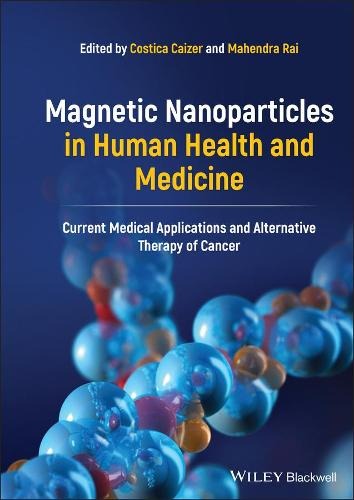
Progress in improving diagnosis by magnetic resonance imaging (MRI) and using non-invasive and non-toxic magnetic nanoparticles for targeted drug delivery. Focusing on cancer diagnosis and therapy, the book covers both fundamental principles and advanced theoretical and experimental research on the magnetic properties, biocompatibilization, biofunctionalization, and application of magnetic nanoparticles in nanobiotechnology and nanomedicine.
Explores the application of machine learning to the understanding, early diagnosis, and management of neurodegenerative disorders. With a specific focus on its role in ongoing clinical trials, the book covers essential topics such as data collection, pre-processing, feature extraction, model development, and validation techniques. It delves into the applications of neuroimaging techniques like magnetic resonance imaging (MRI), computed tomography (CT), and positron emission tomography (PET) in the diagnosis and understanding of neurodegenerative disorders. Additionally, the book examines various machine-learning algorithms employed for biomarker discovery in neurodegenerative disorders. It highlights the role of neuroinformatics and big data analysis in advancing the understanding and management of neurodegenerative disorders. Furthermore, the book reviews future prospects and presents the ethical considerations and regulatory challenges associated with implementing machine learning approaches in the diagnosis, treatment, and prevention of neurodegenerative disorders.

Daraa Highway - Ghabagheb - Syria
+963-15 2050 - 15 860 380 /1/2/3 - 11 662 3900