


Refine Results
Sort By
From
To


Although primarily used today as one of the most prevalent illicit leisure drugs, the use of Cannabis sativa L., commonly referred to as marijuana, for medicinal purposes has been reported for more than 5000 years. Marijuana use has been shown to create numerous health problems, and, consequently, the expanding use beyond medical purposes into recreational use (abuse) resulted in control of the drug through international treaties. Much research has been carried out over the past few decades following the identification of the chemical structure of THC.The purpose of Marijuana and the Cannabinoids is to present in a single volume the comprehensive knowledge and experience of renowned researchers and scientists. Each chapter is written independently by an expert in his/her field of endeavor, ranging from the botany, the constituents, the chemistry and pharmacokinetics, the effects and consequences of illicit use on the human body, to the therapeutic potential of the cannabinoids.

The opening chapters of March's Advanced Organic Chemistry deal with the structure of organic compounds and discuss important organic chemistry bonds, fundamental principles of conformation, and stereochemistry of organic molecules, and reactive intermediates in organic chemistry. Further coverage concerns general principles of mechanism in organic chemistry, including acids and bases, photochemistry, sonochemistry and microwave irradiation. The relationship between structure and reactivity is also covered.
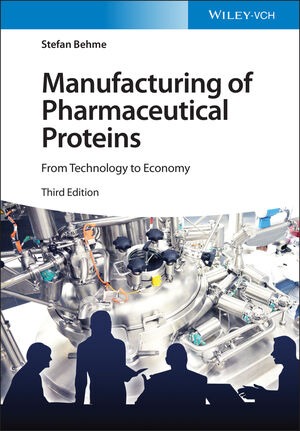
Manufacturing of Pharmaceutical Proteins: From Technology to Economy, renowned chemical engineer Dr. Stefan Behme delivers a comprehensive text covering all aspects of biopharmaceutical manufacturing, including legal and regulatory considerations, production facility design, quality assurance, supply chain management, emerging market regulations, and cost control.

Presents topical research in the study of the chemistry, uses and potential side effects of mannitol. Topics discussed include the utilization and production of D-mannitol by bacteria; concentration of mannitol and other soluble carbohydrates in the crustose lichen rhizocarpon geographicum; disease-related changes and mannitols use for clinical disorders; use of mannitol in thermal energy storage applications; and chiral phosphorous ligands derived from D-mannitol.

The book has been extensively revised and expanded to do justice to the rapid advances in MR technology, molecular biochemistry, and genetics and the discovery of new disease entities with prominent white matter involvement. Forty chapters have been added, and the number of illustrations has risen considerably. The ability to confirm the presence of genetic alterations in a number of disorders allows more advantageous presentation of the phenotypic variation as expressed in differ.
We are at the start of the development of new therapeutic classes, directed against new molecular targets (EGFR, VEGF, IGFR, Rank, etc.) Several diseases such as kidney, colon or breast cancer, GIST, have a natural history now modified thanks to these therapies. This practical book takes stock of the current use of these molecules.
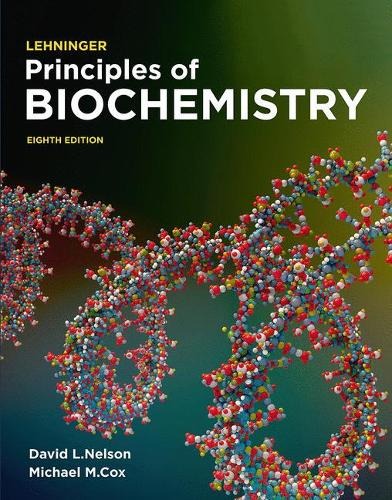
Help students navigate the complex discipline of biochemistry with a clear and coherent presentation. Renowned authors David Nelson, Michael Cox, and new co-author Aaron Hoskins have focused this eighth edition around the fundamental principles to help students understand and navigate the most important aspects of biochemistry. Text features and digital resources in the new Achieve platform emphasize this focus on the principles, while coverage of recent discoveries and the most up-to-date research provide fascinating context for learning the dynamic discipline of biochemistry.

In the intervening years well over 10,000 articles have appeared with lectins as the main subject, and more than twice as many in which they were touched upon, as well as around 20 books. In particular, great strides have been made in several areas of lectin research, about which little was known until the late 1980s. One prominent example is animal lectins, many of which have been discovered only during the last decade and the functions of several of which have been clarified, especially as to their key role in innate immunity.

In Laboratory Control System Operations in a GMP Environment, readers are given the guidance they need to implement a CGMP compliant Laboratory Control System (LCS) that fits within Global Regulatory guidelines. Using the Quality Systems Approach, regulatory agencies like the FDA and the European Medicine Agency have developed a scheme of systems for auditing pharmaceutical manufacturing facilities which includes evaluating the LCS.

Details protocols ranging from high yield production metabolically labeled KRAS for NMR studies to approaches that quantify engagement of novel molecules that bind KRAS in live cells. Chapters focus on protein production and characterization, biochemical assays, cell-based assays, KRAS-membrane interactions, targeting KRAS, and cell models.

A broad array of themes concerned with research on epilepsy and kindling is covered in the book: Pathogenesis of kindling, including developmental patterns; electrophysiology; anatomy, morphology, and neural circuitry; genes, species, and strains; synaptic pharmacology and neurochemistry ; Behavioral consequences of kindling ; Drugs and interventions against kindling ; Clinical relevance of kindling for our understanding of epilepsy in patients

Kinase inhibition remains an area of significant interest, and growing importance, across academia and the pharmaceutical industry. There are now many marketed drugs that target kinases and a significant number of compounds are currently in various stages of clinical development. This book is a forward-looking analysis of a number of key areas for kinase inhibition in the coming years and builds on the first volume. This includes topics such as screening approaches to target kinases along with different modes of inhibition such as allosteric and covalent. Novel approaches such as macrocyclisation are considered along with how the properties of kinase inhibitors have evolved, including the potential for brain penetration. Recent areas of great importance also covered include cutting edge molecular modelling approaches and the importance of kinase mutations.
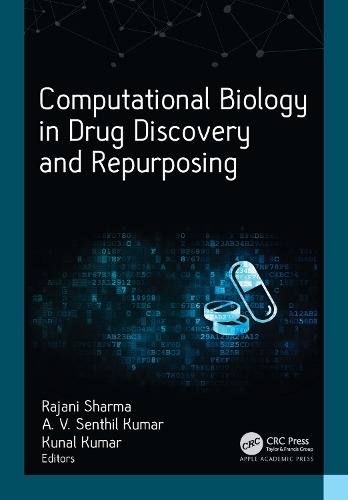
Takes an in-depth look at the emerging and prospective field of computational biology and bioinformatics, which possesses the ability to analyze large accumulated biological data collected from sequence analysis of proteins and genes and cell population with an aim to make new predictions pertaining to drug discovery and new biology. The book explains the basic methodology associated with a bioinformatics and computational approach in drug designing. It then goes on to cover the implementation of computational programming, bioinformatics, pharmacophore modeling, biotechnological techniques, and pharmaceutical chemistry in designing drugs. The major advantage of intervention of computer language or programming is to cut down the number of steps and costs in the field of drug designing, reducing the repeating steps and saving time in screening the potent component for drug or vaccine designin

Helps readers discover the forefront of personalized medicine on clinical metabolomics and its applications in genetic diseases. This comprehensive guide offers a functional relationship map between cell components and genetic variations in various diseases, providing insights that can be applied to personalized medicine. Covers the latest developments in metabolomics for health, with practical guidance for clinical experts looking to advance their laboratory techniques and career. The metabolomics profile is a powerful tool that has revolutionized our understanding of the relationship between genetics, clinical readouts, and disease outcomes. By integrating metabolomics with genomics and clinical phenotypes, the authors have developed diagnostic and prediction models that have vastly improved patient outcomes and deepened the understanding of disease mechanisms.
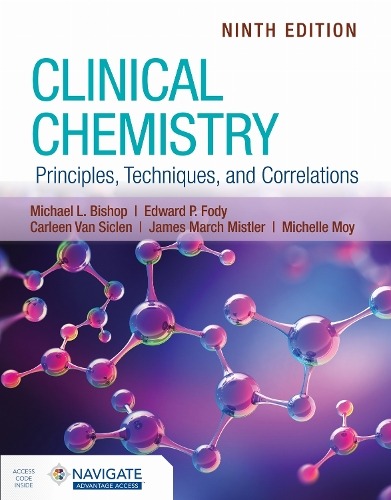
Keeps students at the forefront of what continues to be one of the most rapidly advancing areas of laboratory medicine with clear explanations that balance analytic principles, techniques, and correlation of results with coverage of disease states. The book not only demonstrates the how of clinical testing, but also the what, why, and when of testing correlations to help students develop the knowledge and interpretive and analytic skills they'll need in their future careers.
Demonstrates the how of clinical testing, and also the what, why, and when of testing correlations to help students develop the knowledge and interpretive and analytic skills they'll need in their future careers
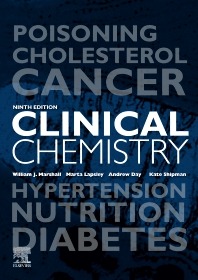
Clinical Chemistry considers what happens to the body’s chemistry when affected by disease. It provides introductory coverage of the scientific basis for biochemistry tests routinely used in medicine - including tests for the assessment of organ function, diagnosis and monitoring disease activity and therapy efficacy. Each topic area begins with a concise description of the underlying physiological and biochemical principles and then applies them to patient investigation and management. The regular use of case histories helps further emphasise clinical relevance and chapter key points, as well as provide a useful starting point for examination revision.
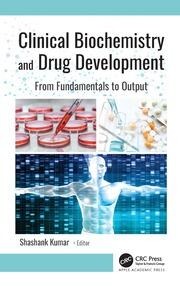
Focuses on clinical biochemistry fundamentals, cell culture techniques, and drug discovery and development concepts. It deals with three different fields of clinical research: cell culture, clinical biochemistry, and drug discovery and development.
This fully updated volume describes methods and protocols for a number of drugs and toxins in a stepwise manner. Exploring the versatility and flexibility of mass spectrometry, the book covers the advantages of this technology, which typically include elimination of the need for special reagents such as antibodies, increased sensitivity and specificity, and multi-component analysis enabling the screening of tens to hundreds of compounds in a single assay run. Written for the highly successful Methods in Molecular Biology series, chapters include introductions to their respective topics, lists of the necessary materials and reagents, step-by-step and readily reproducible laboratory protocols, as well as tips on troubleshooting and avoiding known pitfalls.

This book offers a cross-sectoral reference for both managers and scientists interested in climate-smart forestry, focusing on mountain regions. It provides a comprehensive analysis on forest issues, facilitating the implementation of climate objectives. CLIMO has provided scientific analysis on issues including criteria and indicators, growth dynamics, management prescriptions, long-term perspectives, monitoring technologies, economic impacts, and governance tools.

Daraa Highway - Ghabagheb - Syria
+963-15 2050 - 15 860 380 /1/2/3 - 11 662 3900