


Refine Results
Sort By
From
To

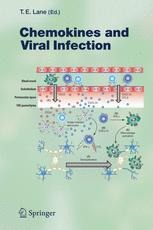
This edition of Current Topics in Microbiology and Immunology examines the role of chemokines and chemokine receptors in host defense and disease development following viral infection. Chemokines represent a family of over 40 small proteins that, for the most part, are secreted into the environment and function by binding to G protein-coupled receptors (GPCRs) that are expressed on numerous different cell types. When initially identified close to 30 years ago, these molecules were associated with various human inflammatory diseases and it was recognized that expression may be integral in leukocyte recruitment to inflamed tissue. There are now four sub-families of chemokines identified based on defined structural criteria relating to the positional location of conserved cysteine residues within the amino-terminus of the protein. Chemokines are now recognized as important in numerous biological processes ranging from maintaining the organizational integrity of secondary lymphoid tissue to participating in various aspects of both innate and adaptive immune responses following microbial infection. With this in mind, this book highlights the functional roles of chemokines and their receptors in participating in various aspects of the immune response against well-known viral pathogens.
Chemoinformatics and Bioinformatics in the Pharmaceutical Sciences brings together two very important fields in pharmaceutical sciences that have been mostly seen as diverging from each other: chemoinformatics and bioinformatics. As developing drugs is an expensive and lengthy process, technology can improve the cost, efficiency and speed at which new drugs can be discovered and tested. This book presents some of the growing advancements of technology in the field of drug development and how the computational approaches explained here can reduce the financial and experimental burden of the drug discovery process.
Presents both theoretical guidance and protocols on chemogenomics including chemogenomics library assembly, compound profiling, and phenotypic assays. The chapters in this book cover topics such as the assembly and use of Kinase Chemogenomics; data mining for chemogenomic compound candidates; protocols for protein family-focused assay systems to profile chemogenomic compounds; functional and target engagement assays in cellular settings for broad characterization; and a discussion on phenotypic assays where chemogenomic sets may be applied.
This book also represents the tenth in a series of books on chemical communication, chemical ecology, olfactory and vomeronasal research in vertebrate species. The species covered in the chapters herein range from fish to mammals including humans. By taxonomic breakdown the mammals are the most represented in number of species and chapter contributions. However, the hosts of the meeting endeavored to have some representative contributions covering all of the major vertebrate taxa.
A team of renowned technologists and engineers delivers a practice guide to chemical product design. Offering real-world case studies for disinfectant formulation, the optimization of defined media, and the formulation of biocomposites, the book contains introduction to the current product design process. A practical approach to the essentials of product design, related statistical techniques and optimization, patents, green chemistry and gives real life case studies.

Chemical Leasing is an innovative business model within the sustainable management of chemicals. The economic benefit is achieved by selling chemicals services instead of increasing the sales volume. This book contains detailed descriptions and evaluations based on existing projects in Austria, Egypt, Russia and Mexico where in a broard range of sectors and companies the application of Chemical leasing was assisted. The book also contains political and scientific interpretations and analyses.

This book provides an overview of chemical ecology related to different ecosystems. It offers an outlook at novel directions that can be taken in chemical ecology through a molecular-ecological or eco-genomic approach. The book addresses aboveground and belowground terrestrial systems as well as aquatic systems, and the organisms involved are micro- and macro-organisms, such as plants, arthropods and mammals.
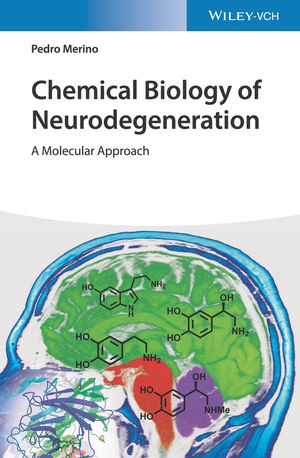
This book focuses on the main actors involved in neurodegenerative disorders at a molecular level, and places special emphasis on structural aspects and modes of action. Drawing on recent data on enzyme structure, mode of action, and inhibitor design, it describes?from a biochemical point of view?the six most important neurotransmitter systems and their constituent enzymes and receptors. Misfolding and aggregation of proteins within the brain is also covered.
Gives the reader, through the specific selection of chemical-biological techniques and concepts, the necessary tools to be able to develop new ways of thinking and thus new therapeutic options in the complex field of chemical biology and drug development. The stated aim of this book is to provide concrete solutions and inspiration to students, (post)graduate students, and experienced scientists at universities as well as in industry in their problems.
A comprehensive and authoritative exploration of Tempol (4-Hydroxy-TEMPO), an exceptional chemical compound with diverse applications in both scientific research and medical practice. This book delves into Tempol's unique properties, mechanisms of action, and its potential role in combating oxidative stress-related disorders. Includes a chapter devoted to the safe handling, storage, and disposal of Tempol in compliance with pharmaceutical regulations. The authors pay particular attention to pharmaceutical regulations in the industry.
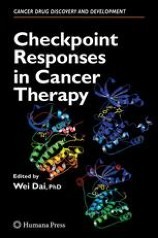
This book’s distinguished panel of authors takes a close look at topics ranging from the major molecular players affecting DNA synthesis and the response to DNA damage to advances made in the identification of chemical compounds capable of inhibiting individual mitotic kinases. Illuminating and authoritative, Checkpoint Responses in Cancer Therapy offers a critical summary of findings for researchers in the pharmaceutical and biotechnology industries and a valuable resource for academic scientists in cancer research and the study of cell-cycle regulation, signal transduction and apoptosis.
This book is the first academic book on the controversial issue of including spiritual care in integrated electronic medical records (EMR). Based on an international study group comprising researchers from Europe (The Netherlands, Belgium and Switzerland), the United States, Canada, and Australia, this edited collection provides an overview of different charting practices and experiences in various countries and healthcare contexts.
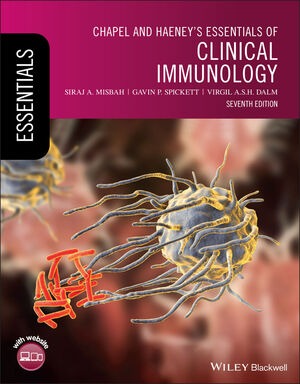
Contains the knowledge necessary to understand the diagnosis and treatment of immunological disorders. With easy-to-read text and a wealth of colour clinical images and diagrams, this well-regarded textbook introduces complex concepts using effective pedagogical tools such as bulleted lists, key point boxes, real-life case studies, practical examples, figures and tables, chapter introductions, and keywords in bold integrated in each chapter.

Coastal ecosystems make up some of the most important, yet most endangered, regions in the world. The protection of the unique processes that take place in these ecosystems requires that partnerships be formed among ecologists, resource managers, and planners. Experienced in the challenges of coastal system analysis, the contributors to this book provide multidisciplinary guidance on the assessment and management of environmental impacts caused by development. Each chapter examines an issue important to these fragile ecosystems, first presenting a non-technical summary of the issue and a review of the current state of the knowledge, then following with data and a more detailed consideration of the topic.

What is arterial dissection? What is Moyamoya angiopathy? What is the state of art of AVM treatment? Readers will find answers to these questions in this book. But they will also be informed about the state of the art treatment in the daily stroke therapy.

This comprehensive volume will serve as a complete guide to the clinical application of computer assisted systems in monitoring central nervous functions both in the OR and ICU. It presents practical guidelines and therapeutic indications for computerized EEG and Somatosensory Evoked Potential (SSEP) monitoring for the experienced user and the novice. The book also describes what cerebral monitoring can do and what its limitations are.

Cephalopods are diverse, highly developed molluscs capable of swimming and jet propulsion. These animals are an important component of present-day marine ecos- tems throughout the world and comprise approximately 900 species. They also have an extraordinary fossil record, extending back to the Cambrian Period, with as many as 10,000 extinct species. Throughout their long history, they have experienced sp- tacular radiations and near-total extinctions. Because of their superb fossil record, they also serve as ideal index fossils to subdivide geologic time. This book touches on many of these themes, and it treats both fossil and present-day cephalopods.
Pesents hands-on technological protocols used to target an array of cell-secreted extracellular vesicles (EVs) in a variety of biological systems. Beginning with methods for EV purification and analysis, the book continues with sections on the study of EV functions as well as specific systems and models allowing for the study of EVs of different origin. Written for the highly successful Methods in Molecular Biology series, chapters include introductions to their respective topics, lists of the necessary materials and reagents, step-by-step and readily reproducible laboratory protocols, and tips on troubleshooting and avoiding known pitfalls.

This book serves to gain new insights into the molecular determinants of neuronal death and to establish new targets for therapeutic intervention.
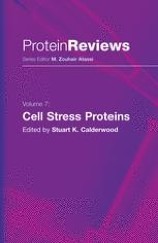
This comprehensive volume, written by experts in the field, provides a current understanding of the molecular properties of the heat shock proteins and their roles in health and disease. Cell Stress Proteins includes advances in several aspects of stress protein research, with chapters ranging from basic studies of the role of heat shock proteins in protein folding to reviews examining the breakdown of stress protein regulation during disease. It also provides analysis of the biochemical and molecular properties of heat shock proteins which can be utilized in evaluating their role in human physiology and pathology. Cell Stress Proteins is an ideal book for researchers, clinicians, physicians, and graduate students in the fields of biochemistry, cell biology, microbiology, immunology, and genetics.

Daraa Highway - Ghabagheb - Syria
+963-15 2050 - 15 860 380 /1/2/3 - 11 662 3900