


Refine Results
Sort By
From
To


Examines the role that antioxidants play in a variety of health and disease situations. The book discusses antioxidants’ historical evolution, their oxidative stress, and contains a detailed approach of 1) endogenous antioxidants, including endogenous sources, mechanisms of action, beneficial and detrimental effects on health, in vitro evidence, animal studies and clinical studies; 2) synthetic antioxidants, including sources, chemistry, bioavailability, legal status, mechanisms of action, beneficial and detrimental effects on health, in vitro evidence, animal studies and clinical studies; and 3) natural antioxidants, including sources, chemistry, bioavailability, mechanisms of action, possible prooxidant activity; beneficial and detrimental effects on health, in vitro evidence, animal studies and clinical studies. Throughout the boo, the relationship of antioxidants with different beneficial and detrimental effects are examined, and the current controversies and future perspectives are addressed and explored. Antioxidants Effects in Health: The Bright and the Dark Side evaluates the current scientific evidence on antioxidant topics, focusing on endogenous antioxidants, naturally occurring antioxidants and synthetic antioxidants. It will be a helpful resource for pharmaceutical scientists, health professionals, those studying natural chemistry, phytochemistry, pharmacognosy, natural product synthesis, and experts in formulation of herbal and natural pharmaceuticals.
Provides a comprehensive overview of antioxidants and nutraceuticals, including their sources, mechanisms of action, and health benefits, this new volume first covers the basics of the types of antioxidants as nutraceuticals, including the importance of phytochemical antioxidants and their nutritional and pharmacological intervention in the treatment of disease. It discusses the natural origins of antioxidants, classification, mechanisms of action, calculation of antioxidant potential of nutraceutical substances, safety, toxicity, and their significant involvement in the prevention of many degenerative and chronic diseases.
Microbes are in our midst soon after birth. Thankfully, the number of harmless (and often beneficial) microbes far outnumber those that would do us harm. Our ability to ward-off pathogens in our environment, including those that can colonize our exterior and/or interior surfaces, depends on the integrative action of the innate and adaptive immunity systems. This volume of CTMI, entitled Antimicrobial Peptides and Human Disease, is dedicated to the role of antimicrobial peptides (AMPs) in the innate host defense system of homo sapiens.
Begins with a short history of malaria and follows with a summary of its biology. It then traces the fascinating history of the discovery of quinine for malaria treatment, and then describes quinine’s biosynthesis, its mechanism of action, and its clinical use, concluding with a discussion of synthetic antimalarial agents based on quinine’s structure. It also covers the discovery of artemisinin and its development as the source of the most effective current antimalarial drug, including summaries of its synthesis and biosynthesis, its mechanism of action, and its clinical use and resistance. A short discussion of other clinically used antimalarial natural products leads to a detailed treatment of additional natural products with significant antiplasmodial activity, classified by compound type.
Malaria continues to affect a large population of the world, especially in third world countries. The spread of drug-resistant parasites demonstrates the need for antimalarial agents with various modes of action. The search for remedies derived from medicinal plants for the treatment of malaria is reliant on accurate ethnobotanical and ethnopharmacological information obtained from traditional medical practitioners. Antimalarial Medicinal Plants provides information on bioactive compounds and therapeutic potentials of several antimalarial plant species found around the globe. This book evaluates these plant species with respect to their biology, diversity, distribution, and pharmacological values.
Takes an in-depth look at the potential pharmacological applications of 11 important antidiabetic plants, examining their antihyperglycemic, hypoglycemic, and anti-lipidemic properties along with current genome editing research perspectives. Plant natural products, or phytoconstituents, are promising candidates for antidiabetic pharmacological actions. The phytoconstituents, such as fl avonoids, terpenoids, saponins, carotenoids, alkaloids and glycosides, play vital roles in the current and future potent antidiabetic drug development programs. Each chapter reviews a particular plant with antidiabetic properties, explaining the therapeutic aspects, its active antidiabetic compounds, and relevant genome editing technology.
Diabetes is a chronic condition associated with metabolic disorder. Persons suffering from diabetes have shown accelerated levels of blood sugar which often harms the heart, blood vessels, eyes, kidneys, and nerves. Over the past few decades, the prevalence of diabetes has been progressively increasing. Synthetic drugs are used to treat diabetic patients to help control the disorder, but it is shown that numerous medicinal plants and herbal drugs are widely used in several traditional systems of medicine to prevent and treat diabetes. They are reported to produce beneficial effects in combating diabetes and alleviating diabetes-related complications. These plants contain phtyonutrients and phytoconstituents demonstrating protective or disease preventive properties. In many developing countries, herbal drugs are recommended by traditional practitioners for diabetes treatment because the use of synthetic drugs is not affordable.
Designed to bridge knowledge gained in basic sciences courses with clinical practice in infectious diseases. This practical text reviews basic microbiology and how to approach the pharmacotherapy of a patient with a presumed infection. It also contains concise Drug Class Reviews with an explanation of the characteristics of various classes of antibacterial drugs and antifungal drugs.
Provides unique insights into the issues that drive modified dosing regimens for antibiotics in the critically ill. Leading international authors provide their commentary alongside a summary of existing evidence on how to effectively dose antibiotics. Severe infection frequently necessitates admission to the intensive care unit (ICU). Equally, nosocomial sepsis often complicates the clinical course in ICU. Early, appropriate application of antibiotic therapy remains a cornerstone of effective management. However, this is challenging in the critical care environment, given the significant changes in patient physiology and organ function frequently encountered. Being cognisant of these factors, prescribers need to consider modified dosing regimens, not only to ensure adequate drug exposure, and therefore the greatest chance of clinical cure, but also to avoid encouraging drug resistance.
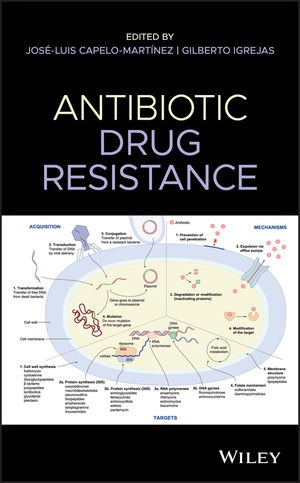
This book presents a thorough and authoritative overview of the multifaceted field of antibiotic science – offering guidance to translate research into tools for prevention, diagnosis, and treatment of infectious diseases.
Antiangiogenesis remains a dynamic and evolving field in oncology. New therapeutic targets continue to emerge followed by the rapid development of new therapeutic agents to be investigated in clinical trials. Optimizing the therapeutic potential of antiangiogenic agents in combination with the other therapies in the armamentarium to fight cancer will be an on-going challenge. Antiangiogenic Agents in Cancer Therapy, Second Edition provides a current, up-dated perspective on the state of the art of angiogenesis and therapy with a compendium of scientific findings and approaches to the study of angiogenesis in cancer. Leaders in the field present chapters on such topics as the environmental influences and the genetic and physiologic abnormalities that mediate angiogenesis and its role in the progression of malignant disease, working models of tumor angiogenesis, and the role of angiogenesis inhibition in the therapy of malignant disease in humans. Comprehensive and cutting-edge, Antiangiogenic Agents in Cancer Therapy, Second Edition is an ideal, valuable guide to the most recent advances in the field, and a collection that will be useful for many years to come.
This book breaks new ground by situating animals and their diseases at the very heart of modern medicine. In demonstrating their historical significance as subjects and shapers of medicine, it offers important insights into past animal lives, and reveals that what we think of as ‘human’ medicine was in fact deeply zoological.Each chapter analyses an important episode in which animals changed and were changed by medicine. Ranging across the animal inhabitants of Britain’s zoos, sick sheep on Scottish farms, unproductive livestock in developing countries, and the tapeworms of California and Beirut, they illuminate the multi-species dimensions of modern medicine and its rich historical connections with biology, zoology, agriculture and veterinary medicine. The modern movement for One Health – whose history is also analyzed – is therefore revealed as just the latest attempt to improve health by working across species and disciplines.
Pharmaceutical companies are spending increasing amounts of money on drug discovery and development. Nevertheless, attrition rates in clinical development are still very high, and up to 90% of new compounds fail in clinical phase I - III trials, which is partially due to lack of clinical efficacy. This indicates a strong need for highly predictive in vitro and in vivo models. The "50th International Workshop of the Ernst Schering Research Foundation" focussed on "Animal Models of T Cell-Mediated Skin Diseases". Such animal models should have impact not only on inflammatory dermatoses but also on other inflammatory disorders due to their model character. The current volume summarises recent advances in animal research that are important for anti-inflammatory drug discovery.
This monograph contains a detailed description of the MLAC method and its applications and an extensive and updated review of the most significant studies on the subject and their clinical implications. Studies that use the up-down sequential allocation method have made a significant contribution to clarifying numerous questions that the anesthetist asks himself every day in the delivery room and today rightly flank traditional studies representing, together with them, the primary source of updating and knowledge that are indispensable for good clinical practice based not only on experience but also on evidence and scientific rationale.
Explains task management concepts and outlines practical knowledge to help pharmaceutical analytical scientists become productive and enhance their career. •Presents broad topics such as product development process, regulatory requirement, task and project management, innovation mindset, molecular recognition, separation science, degradation chemistry, and statistics. •Provokes thinking through figures, tables, and case studies to help understand how the various functions integrate and how analytical development can work efficiently and effectively by applying science and creativity in their work. •Discusses how to efficiently develop a fit-for-purpose HPLC method without screening dozens of columns, gradients, or mobile phase combinations each time, since the extra effort may not provide enough of a benefit to justify the cost and time in a fast-paced product development environment.
Describes the pathologic conditions of drug-induced lung injuries, monitoring strategies, and guides on how to interpret the evidence. It also dives into particular drugs that caused the disorder, such as EGFR inhibitors, anti-EGFR antibodies, mTOR inhibitors, proteasome inhibitors, immune checkpoint inhibitors, neoangiogenesis inhibitors, and other molecular targeted drugs. It outlines the analysis and interpretation of the post-marketing survey on surveillance of each drug for inducing pulmonary lesions presenting diffuse haziness. The data and analysis from this survey are valuable since a guideline is yet to be established due to limited clinical evidence and cases. As new drugs are developed, establishing treatment and event management is crucial.
Designed to aid the rapid understanding of the key principles of pharmacovigilance. Packed full of examples illustrating drug safety issues it not only covers the processes involved, but the regulatory aspects and ethical and societal considerations of pharmacovigilance. Covering the basics step-by-step, this book is perfect for beginners and is essential reading for those new to drug safety departments and pharmaceutical medicine students. The second edition is thoroughly revised and updated throughout and includes a new chapter on clinical aspects of pharmacovigilance.
Providing an introduction to medicinal chemistry, this resource covers basic principles and background, and describes the general tactics and strategies involved in developing an effective drug
Provides a comprehensive review of the fundamental and practical aspects of bioanalytical support and the integral role it plays in the development of safe and efficacious biopharmaceutical drugs with speed and cost-effectiveness. Focuses on a broad range of conventional and emerging biopharmaceutical modalities including monoclonal antibody-based therapeutics, gene therapy, cell therapy, peptides and oligonucleotides.
Biological control is among the most promising methods for control of pests (including vectors), diseases and weeds. In this book ecological and societal aspects are for the first time treated together. In an ecological approach the aim is to evaluate the significance of certain biological properties like biodiversity and natural habitats. Also, it is important to see biological control from an organic (or ecological) farming point of view. In a societal approach terms like ‘consumer’s attitude’, ‘risk perception’, ‘learning and education’ and ‘value triangle’ are recognised as significant for biological production and human welfare.

Daraa Highway - Ghabagheb - Syria
+963-15 2050 - 15 860 380 /1/2/3 - 11 662 3900