


Refine Results
Sort By
From
To

The prevention of the most frequent and deadly pathologies (cancers, cardiovascular diseases, accidents) essentially involves modifying risky behavior, a challenge which cannot be resolved by the simple dissemination of information. To be able to modify behavior, it is necessary to take into account, on the one hand, the individuals themselves and what leads them to change their ways of living and, on the other hand, the cultural, social, physical and economic environment. who shapes people and whose modifications are necessary for individual changes. Thus, preventive health actions are effective as long as they strengthen the ability to exercise control over individual and collective health determinants.
Provides an in-depth look at the many aspects of cancer screening and its assessment, including screening phenomena, performance measures, population-level outcomes, research designs, and other important and timely topics.
Apoptosis, Senescence and Cancer provides insight into established practices and research into apoptosis and senescence by thoroughly examining novel and emerging techniques and research in the fields of cell death pathways, senescence growth arrest, drugs and resistance, DNA damage response, and other topics which still hold mysteries for researchers.this volume provides basic scientists and clinicians with a deeper and more complete understanding of the cellular responses of malignancies which may determine the effectiveness of treatment.
Antiangiogenesis remains a dynamic and evolving field in oncology. New therapeutic targets continue to emerge followed by the rapid development of new therapeutic agents to be investigated in clinical trials. Optimizing the therapeutic potential of antiangiogenic agents in combination with the other therapies in the armamentarium to fight cancer will be an on-going challenge. Antiangiogenic Agents in Cancer Therapy, Second Edition provides a current, up-dated perspective on the state of the art of angiogenesis and therapy with a compendium of scientific findings and approaches to the study of angiogenesis in cancer. Leaders in the field present chapters on such topics as the environmental influences and the genetic and physiologic abnormalities that mediate angiogenesis and its role in the progression of malignant disease, working models of tumor angiogenesis, and the role of angiogenesis inhibition in the therapy of malignant disease in humans. Comprehensive and cutting-edge, Antiangiogenic Agents in Cancer Therapy, Second Edition is an ideal, valuable guide to the most recent advances in the field, and a collection that will be useful for many years to come.
It is an up-to-date and authoritative reference for the angiogenesis field as it relates to oncology. This book represents the first collection in a volume of which Folkman is co-editor.

Describes the pathologic conditions of drug-induced lung injuries, monitoring strategies, and guides on how to interpret the evidence. It also dives into particular drugs that caused the disorder, such as EGFR inhibitors, anti-EGFR antibodies, mTOR inhibitors, proteasome inhibitors, immune checkpoint inhibitors, neoangiogenesis inhibitors, and other molecular targeted drugs. It outlines the analysis and interpretation of the post-marketing survey on surveillance of each drug for inducing pulmonary lesions presenting diffuse haziness. The data and analysis from this survey are valuable since a guideline is yet to be established due to limited clinical evidence and cases. As new drugs are developed, establishing treatment and event management is crucial.
he atlas contains over 400 specially created black and white illustrations describing the anatomical extent of the malignant tumor in the primary site (T), regional lymph nodes (N) and distant metastases (M) for various sites, including the head and neck area, the digestive system, the thorax, the musculoskeletal system, the soft tissues, the breast, the urinary system and the genital system. Each illustration provides precise and detailed descriptions designed to clarify the crucial anatomical structures and to provide the reader with an immediate view of the progressive extension of the disease. The most important anatomical structures are identified by specific definitions.
AIDS-associated viral oncology is a significant healthcare problem. Since the identification of human immunodeficiency virus (HIV)-associated acquired immune disease syndrome (AIDS), the role of viruses in human cancers has become acutely apparent over the past twenty years. The understanding and treatment of AIDS-associated cancers has become a major concern among healthcare organizations. Human cancers that were once rare in the population have now become common within the HIV infected population.
This book gives an overview of the sessions, panel discussions, and outcomes of the Advancing the Science of Cancer in Latinos conference, held in February 2018 in San Antonio, Texas, USA, and hosted by the Mays Cancer Center and the Institute for Health Promotion Research at UT Health San Antonio.
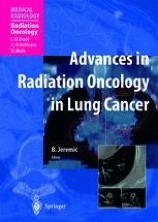
This volume is unique in being devoted solely to the radiation oncology of lung cancer, and will be of great value to all who are involved in the diagnosis and treatment of the disease. Both non-small cell and small cell lung cancer are considered in detail. Current state of the art treatment strategies and novel approaches that promise further improvements in outcome are explained and evaluated, with the aid of high-quality illustrations. Treatment-related toxicity is discussed, and further individual chapters focus on topics such as quality of life studies, prognostic factors and pitfalls in the design and analysis of clinical trials.
Proceedings of the 2nd Annual IFOM-IEO Meeting on Cancer. This is a new meeting, it has about 200 attendees from Australia, Austria, Belgium, Brazil, Canada, England, France, Germany, Greece, Ireland, Italy, Japan, Netherlands, Spain, Sweden, Switzerland, and the USA. The 2nd IFOM-IEO international meeting on cancer will provide a forum in which the world’s leading cancer researchers and young scientists will discuss the latest advances in molecular oncology. The impact of recent breakthroughs in basic research and of emerging technologies on molecular medicine in cancer will be highlighted.
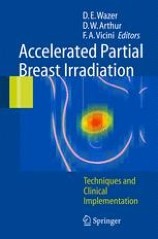
Accelerated partial breast irradiation (APBI) is being rapidly introduced into the clinical management of early breast cancer. APBI, in fact, encompasses a number of different techniques and approaches that include brachytherapy, intraoperative, and external beam techniques. There is currently no single source that describes these techniques and their clinical implementation. This text will be a concise handbook designed to assist the clinician in the implementation of APBI.
The book has been well received internationally by a wide audience of clinicians, including general dentists, oral surgeons, otolaryngologists, primary care physicians, nurse practitioners, dental hygienists, physician assistants, and dermatologists, and sales have been strong among students and post-graduate residents training in medical, dental, and allied health fields, supporting the versatility of this work and serving as testimony to its value in both the academic and private practice arenas. Several key updates and improvements have been made to the second edition. All informational content has been updated to ensure accuracy and relevance, particularly in the rapidly evolving fields of oncology and pharmacology. A new chapter has been added entitled "Oral Sequelae of Cancer and Cancer Therapy" which better organizes and consolidates previous content while expanding on topics such as targeted therapies and hematopoietic stem cell transplantation. Additional clinical images have been included throughout the book so that the full clinical spectrum of any given condition is well-represented. Furthermore, the print quality, as well as the positioning and layout of the clinical images has been improved for optimal utility. Lastly, the summary boxes that follow each condition have been reconfigured with color-coded icons for improved definition, ease of use and cross-referencing.
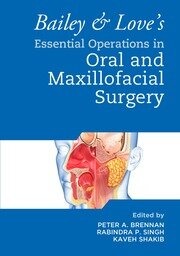
Covers all the surgical techniques across the entire remit of the specialty. The content encompasses coverage of safe surgical practice, including human factors, and includes detailed coverage of the major OMFS sub-specialties: Oral Surgery and Implantology, Trauma, Oncology, Reconstructive Surgery, Salivary Gland & Thyroid Surgery, Temporomandibular Joint Disorders, Orthognathic and Craniofacial Surgery, Cleft Lip and Palate, Facial Aesthetic Surgery, and Advances in Operative Oral & Maxillofacial Surgery.

Daraa Highway - Ghabagheb - Syria
+963-15 2050 - 15 860 380 /1/2/3 - 11 662 3900