


Refine Results
Sort By
From
To

Updates knowledge on recent advances in computational and bioinformatics tools/techniques and their practical applications in modern drug design and discovery programme. Also it encompasses fundamental principles, advanced methodologies and applications of various CADD approaches including several cutting-edge areas / presenting recent developments covering ongoing trends in the field of computer-aided drug discovery. Having contributions by a global team of experts, the book is expected to be an ideal resource for drug discovery scientists, medicinal chemists, pharmacologists, toxicologists, phytochemists, biochemists, biologists, RandD personnel, researchers, students, teachers and those working in the field of drug discovery. It will fill the knowledge gaps that exist in the current CADD approaches and methodologies/ protocols being widely used in both academic and research practices. Further, a special focus on current status of various computational drug design approaches (SBDD, LBDD, De-novo drug design, Pharmacophore-based search), bioinformatics tools and databases, computational screening and modeling of phytochemicals/natural products, artificial intelligence and machine learning, and network pharmacology and system biology would certainly guide researchers, students or readers to conduct their research in the emerging area(s) of interest. It is also expected to be highly beneficial to different stakeholders working in the pharmaceutical and biotechnology industries (RandD), the academic as well as research sectors. .

Focuses on innovative treatment options for breast cancer, including surgery, radiotherapy, systemic therapy and of course immunotherapy that is changing outcomes in some aggressive breast cancer histotypes. Subsequent chapters also address the ongoing emerging research in the screening, diagnostics, and management of all subtypes of breast cancers. All current landscapes and future perspectives in each molecular subtype: luminal, HER2-positive, and triple-negative breast cancers are discussed within the different chapters. Breast cancer is still the most common cancer and cause of cancer deaths among women worldwide. The improvement of breast cancer outcome appears to be strictly related to the validation of precise biomarkers that enable us to better select personalized approaches in breast cancer management. The closing chapters deal with the challenges of low income countries of conducting research in the era of precision medicine for cancer. The book is edited and authored by leading experts in this field and will be of interest for clinicians and scientists alike

This book highlights M. D. Anderson Cancer Center’s multidisciplinary approach and reviews the entire spectrum of patient care, from prevention and screening through diagnosis and treatment through posttreatment follow-up and survivorship issues.

This book offers 19 detailed protocols on the use of induced mutations in crop breeding and functional genomics studies, which cover topics including chemical and physical mutagenesis, phenotypic screening methods, traditional TILLING and TILLING by sequencing, doubled haploidy, targeted genome editing, and low-cost methods for the molecular characterization of mutant plants that are suitable for laboratories in developing countries. The collection of protocols equips users with the techniques they need in order to start a program on mutation breeding or functional genomics using both forward and reverse-genetic approaches. Methods are provided for seed and vegetatively propagated crops (e.g. banana, barley, cassava, jatropha, rice) and can be adapted for use in other species.

Biotechnological Applications of Photosynthetic Proteins: Biochips, Biosensors and Biodevices provides an overview of the recent photosystem II research and the systems available for the bioassay of pollutants using biosensors that are based on the photochemical activity. The data presented in this book serves as a basis for the development of a commercial biosensor for use in rapid pre-screening analyses of photosystem II pollutants, minimising costly and time-consuming laboratory analyses.
Genome- and proteome-based research is generating a significant increase in the number of available drug targets. Correspondingly there is an increasing need for novel, diverse compounds, particularly based on natural compounds, as screening resource
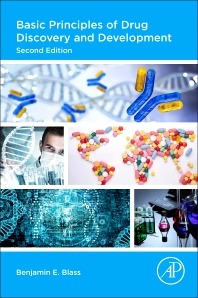
Presents the multifaceted process of identifying a new drug in the modern era, which requires a multidisciplinary team approach with input from medicinal chemists, biologists, pharmacologists, drug metabolism experts, toxicologists, clinicians, and a host of experts from numerous additional fields. Enabling technologies such as high throughput screening, structure-based drug design, molecular modeling, pharmaceutical profiling, and translational medicine are critical to the successful development of marketable therapeutics. Given the wide range of disciplines and techniques that are required for cutting edge drug discovery and development, a scientist must master their own fields as well as have a fundamental understanding of their collaborator’s fields.
Provides an in-depth look at the many aspects of cancer screening and its assessment, including screening phenomena, performance measures, population-level outcomes, research designs, and other important and timely topics.
It is a guide to new techniques and approaches to identifying and characterizing small molecules in early drug discovery. Biophysical methods are reasserting their utility in drug discovery and through a combination of the rise of fragment-based drug discovery and an increased focus on more nuanced characterisation of small molecule binding, these methods are playing an increasing role in discovery campaigns.

The field of androgen excess disorders has advanced substantially since the original publication of this book. The Androgen Excess Society (AES) was founded to bring together investigators in the field. A better understanding of the screening, progression, and molecular genetics of nonclassic adrenal hyperplasia (NCAH) has improved the clinical care and diagnostic accuracy of these patients. New criteria for the diagnosis of the polycystic ovary syndrome (PCOS) were proposed in Rotterdam, criteria that have resulted in controversy and, hopefully, initiation of new studies. The association of insulin resistance with PCOS has been strengthened, and the role of metformin in tre- ing the infertility of the PCOS has been validated. Risks for diabetes and, more cont- versially, cardiovascular disease in women with PCOS have received substantial investigation. Our understanding of the epidemiology and economic impact of these disorders has expanded, emphasizing their critical importance.
Explains task management concepts and outlines practical knowledge to help pharmaceutical analytical scientists become productive and enhance their career. •Presents broad topics such as product development process, regulatory requirement, task and project management, innovation mindset, molecular recognition, separation science, degradation chemistry, and statistics. •Provokes thinking through figures, tables, and case studies to help understand how the various functions integrate and how analytical development can work efficiently and effectively by applying science and creativity in their work. •Discusses how to efficiently develop a fit-for-purpose HPLC method without screening dozens of columns, gradients, or mobile phase combinations each time, since the extra effort may not provide enough of a benefit to justify the cost and time in a fast-paced product development environment.

This volume contains the lectures and seminars given at the NATO Advanced Study Institute on “Sensor Systems for Biological Threads: The Algal Toxins Case”, held in Pisa, Italy in October, 2007. Algae can form heavy growths in ponds, lakes, reservoirs and sl- moving rivers throughout the world; algae can house toxins which are - ually released into water when the cells rupture or die. Hundreds of toxins have been identified so far. Detection methods, including rapid screening, have been developed to help us learning more about them, especially to find out which toxins are a real threat for people and what conditions encourage their production and accumulation. Early detection of algal toxins is an - portant aspect for public safety and natural environment, and significant efforts are underway to develop effective and reliable tools that can be used for this purpose.
This volume contains the lectures and seminars given at the NATO Advanced Study Institute on “Sensor Systems for Biological Threads: The Algal Toxins Case”, held in Pisa, Italy in October, 2007. Algae can form heavy growths in ponds, lakes, reservoirs and sl- moving rivers throughout the world; algae can house toxins which are - ually released into water when the cells rupture or die. Hundreds of toxins have been identified so far. Detection methods, including rapid screening, have been developed to help us learning more about them, especially to find out which toxins are a real threat for people and what conditions encourage their production and accumulation. Early detection of algal toxins is an - portant aspect for public safety and natural environment, and significant efforts are underway to develop effective and reliable tools that can be used for this purpose.
This book gives an overview of the sessions, panel discussions, and outcomes of the Advancing the Science of Cancer in Latinos conference, held in February 2018 in San Antonio, Texas, USA, and hosted by the Mays Cancer Center and the Institute for Health Promotion Research at UT Health San Antonio.

I have been involved in the treatment of chronic renal insuf? new and unexpected pathological conditions have also appeared as complications of long-term dialysis. One of these involves polycystic changes and their malignant transformation in diseased kidneys. Since I have studied these polycystic changes and their malignant transformation for many years, I decided to compile the results of my work in a book. Such conditions of diseased kidneys pose serious problems, particularly in Japan, where renal transplantation is performed very infrequently compared with other countries, and a large number of patients are managed by dialysis over a long period.

Seduced by the idea of commenting on the clinical experience they have acquired during their career, the authors have deliberately approached their specialty by describing the symptoms that give the chapters their titles. They nevertheless described the differential diagnoses, the diseases involved and the treatments. After a chapter devoted to the examination of the patient, including the detours of the interrogation, back pain or scrotal pain are analyzed. The authors then turned to voiding disorders and their causes. The peculiarities of hematuria, depending on their level of origin, are described and commented on. The semiology of tumor masses is carefully detailed and, conversely, the problem of prostate cancer screening by PSA is dealt with in a separate chapter. Erectile dysfunction and penile diseases are the last chapters. In the line of the “Clinical approach” collection, this manual is easy to consult thanks to a detailed index, easy to understand because it is written in clear language and, moreover, well illustrated (21 diagrams and 2 tables). In this little book, the authors have approached urology from a perspective close to how patients feel.
In this Special Issue, “Artificial Intelligence in Image-Based Screening, Diagnostics, and Clinical Care of Cardiopulmonary Diseases”, we have highlighted exemplary primary research studies and literature reviews focusing on novel AI/ML methods and their application in image-based screening, diagnosis, and clinical management of cardiopulmonary diseases.
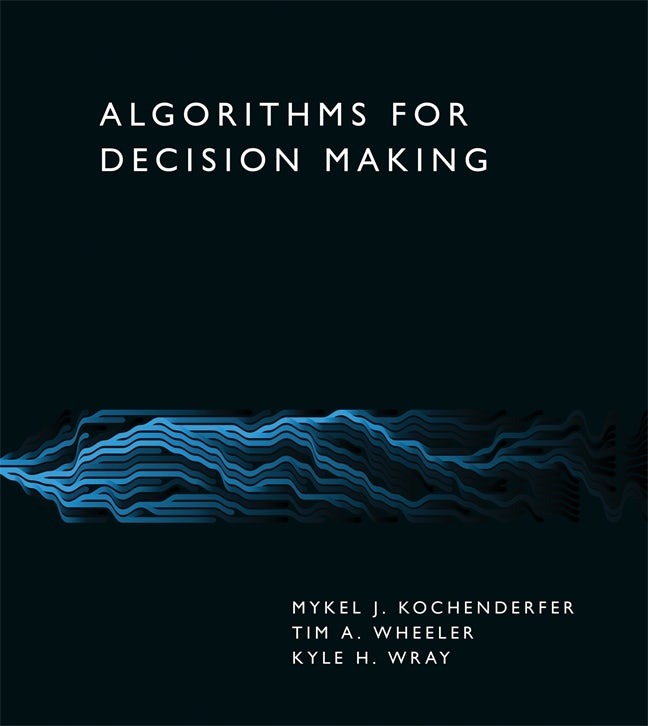
A broad introduction to algorithms for decision making under uncertainty, introducing the underlying mathematical problem formulations and the algorithms for solving them. Automated decision-making systems or decision-support systems—used in applications that range from aircraft collision avoidance to breast cancer screening—must be designed to account for various sources of uncertainty while carefully balancing multiple objectives. This textbook provides a broad introduction to algorithms for decision making under uncertainty, covering the underlying mathematical problem formulations and the algorithms for solving them.

The approach of Material Design opens the way to an innovative use of materials in the design professions. Taking material qualities and properties such as texture, elasticity and transparency as a point of departure, the book describes a multitude of material operations, like folding and bending, carving and cutting, weaving and knitting, mirroring and screening.
Offers critical insights into the thriving international field of community indicators, incorporating the experiences of government leaders, philanthropic professionals, community planners and a wide range of academic disciplines. It illuminates the important role of community indicators in diverse settings and the rationale for the development and implementation of these innovative projects. details many of the practical “how to” aspects of the field as well as lessons learned from implementing indicators in practice. The case studies included here also demonstrate how, using a variety of data applications, leaders of today are monitoring and measuring progress and communities are empowered to make sustainable improvements in their wellbeing.

Daraa Highway - Ghabagheb - Syria
+963-15 2050 - 15 860 380 /1/2/3 - 11 662 3900