



Page 17
Page 17

Functional Somatic Symptoms in Children and Adolescents : A Stress-System Approach to Assessment and Treatment
This book sets out the stress-system model for functional somatic symptoms in children and adolescents. The book begins by exploring the initial encounter between the paediatrician, child, and family, moves through the assessment process, including the formulation and the treatment contract, and then describes the various forms of treatment that are designed to settle the child’s dysregulated stress system

Functional MRI : Basic principles and clinical applications
This practical and timely volume presents an overview of the principles of fMRI and explains key concepts, including scanning methodologies, experimental research design, and data analysis. Informative discussions cover the technical and clinical challenges associated with fMRI. A neuroanatomical atlas adds to the sensible approach and serves as a useful reference by clearly illustrating normal functioning for important areas of the brain.

Frontiers in Anti-Infective Drug Discovery ; Vol.9
Covers a range of topics including rational drug design and drug discovery, medicinal chemistry, in-silico drug design, combinatorial chemistry, high-throughput screening, drug targets, recent important patents, and structure-activity relationships. Frontiers in Anti-Infective Drug Discovery is a valuable resource for pharmaceutical scientists and post-graduate students seeking updated and critically important information for developing clinical trials and devising research plans in this field. The ninth volume of this series features 5 reviews that cover some aspects of clinical and pre-clinical antimicrobial drug development, with 2 chapters focusing on drugs to treat leishmaniasis and dengue fever, respectively. - Use of preclinical and early clinical data for accelerating antimicrobial drug development - Post-translational modifications: host defence mechanism, pathogenic weapon, and emerged target of anti-infective drugs - Scope and limitations on the potent antimicrobial activities of hydrazone derivatives - Current scenario of anti-leishmanial drugs and treatment - Dengue hemorrhagic fever: the potential repurposing drugs

Frailty and Kidney Disease : A Practical Guide to Clinical Management
This book is of importance in nephrology, specifically nephrogeriatrics, since frailty is a condition affecting many elderly patients and which is becoming increasingly common in medical practice. As such, there is a considerable need for information to assist professionals treating these patients. The book includes chapters on the frailty syndrome (definition, evaluation and treatment), the main geriatric syndromes (gait disorder, falls, incontinence, and delirium), the main renal syndromes (acute renal injury, chronic kidney disease) as well as dialysis and kidney transplant, and the relationship between geriatrics and renal syndromes.

Fracture Classifications in Clinical Practice
This concise and practical handbook contains a wealth of illustrations and explanatory text organized into a concise repository of information on fractures according to the most widely used classification systems.

Food-Borne Parasitic Zoonoses : Fish and Plant-Borne Parasites
The focus of this book is on those zoonoses that are transmitted by fish, plant and invertebrate foods. While people, especially those living in developed countries, are commonly aware of meat-borne zoonoses such as trichinellosis and cysticercosis, fewer are acquainted with parasitic diseases caused by liver, lung and intestinal flukes, fish-borne tapeworms, and tissue roundworms. This book reviews not only the prevalence and distribution of these zoonoses, including available health and economic impact data, but also highlights gaps in our knowledge base that must be filled in order to gain insights on approaches to prevention. The topics on epidemiology, diagnosis, and clinical aspects emphasize knowledge gaps that limit a full understanding of these zoonoses, and target where greater research investments on these parasitic diseases should be focused.

Foodborne Microbial Pathogens : Mechanisms and Pathogenesis
The author presents up-to-date information on molecular and cellular mechanism of several major foodborne microbial pathogens, including select agents for bioterrorism, virulence genes and their regulation in the host or the food environment, pathogenicity testing models, clinical symptoms, and prevention and control strategies. In order to understand the disease process, one must have certain understanding about the role of the immune system. Thus this book also covers the host parasite interaction to a level where the readers will have a better appreciation for the disease mechanism.

Foodborne Diseases
In Foodborne Diseases, leading authorities present a broad overview of the microbial pathogens and toxins associated with foodborne illness while discussing pathogenicity, clinical epidemiology, diagnosis, and treatment. The chapters of this volume cover a wide variety of bacterial pathogens, viruses, protozoans, and parasites, as well as microbial toxins, and also address alternatives to antibiotics, risk assessment, irradiation and other sanitation procedures, and molecular techniques for detecting foodborne pathogens. Additionally, the acclaimed authors discuss pathogen control strategies and look toward future innovations in food safety technology. Covering essential foodborne pathogens, assessment and treatment, Foodborne Diseases is an essential reference for infectious disease specialists, microbiologists, and industrial and research-based scientists in food safety.

Fondamenti di ingegneria clinica ; Vol.2 : Ecotomografia = Fundamentals of clinical engineering ; Vol.2 : Ultrasound
With the second volume of Clinical Engineering, the Author intends to provide an updated scientific-didactic overview of the physical principles of ultrasound, of the technology and of the implementation aspects of the ecotomograph.

Fluid volume monitoring with glucose dilution
Decision making regarding fluid volume loading, fluid restriction, or administration of vasoactive drugs may vary among physicians, depending solely upon their clinical experience in the absence of evidence-based measurement. The initial distribution volume of glucose (IDVG) is believed to be clinically relevant as a marker of cardiovascular and fluid management in critically ill patients without a significant modification of glucose metabolism. This book covers all aspects of IDVG measurement, including the basic concept, its relationship with other fluid volumes, and the clinical application of this technique in the intensive care unit based on both the authors’ studies and their clinical experience with more than 4000 IDVG determinations. When the concept of IDVG is properly understood and its measurement is then performed routinely, daily fluid and cardiovascular management in critically ill patients can be improved based on evidence-based measurement.

Fluconazole : Pharmacology, clinical uses and health effects
Fluconazole is a triazole antifungal drug used in the treatment and prevention of superficial and systemic fungal infections. In this book, the authors present current research in the study of the pharmacology, clinical uses and health effects of fluconazole. Topics discussed include the utilization of fluconazole in adult intensive care units; the use of fluconazole in veterinary species and a description of variances from the human experience as well as findings in veterinary species which may have applicability in human medicine; common clinical uses and in vitro activity features on fluconazole; and the discovery and development of medically-important antifungal agents, particularly the azole derivatives and the development of fluconazole and its clinical applications.

Flow cytometry in hematopathology : A visual approach to data analysis and interpretation
Although instrumentation and laboratory techniques for flow cytometry (FCM) immunophenotyping of hematopoietic malignancies are well documented, there is relatively little information on how best to perform data analysis, a critical step in FCM testing. In Flow Cytometry in Hematopathology: A Visual Approach to Data Analysis and Interpretation, three physicians highly experienced in laboratory hematopathology and FCM offer a unique systematic approach to FCM data analysis and interpretation based on the visual inspection of dual parameter FCM graphics. This step-by-step approach to optimal FCM data analysis is demonstrated by means of numerous FCM graphics derived from actual well-documented clinical cases.The focus of the additional material is on the TCR-Vb eight-tube kit which has greatly facilitated the evaluation mature T-cell disorders, and on the DNA dye DRAQ5 for improved grading of malignant lymphoma. The authors also include notes on "tricks of the trade" and pitfalls to avoid. The discussion, covering leukemias, lymphomas, and other conditions, moves from simple to complex specimens, with an emphasis on visual pattern analysis.

Flow cytometry : Principles and applications
Flow cytometry forms an integral part of both basic biological research and clinical diagnosis in pathology. This straightforward new volume provides a clear, easy-to-read, and practical manual for both clinicians and non-clinicians at all levels of their careers. The chapter topics range from basic principles to more advanced subjects, such as apoptosis and cell sorting. Throughout Flow Cytometry: Principles and Applications, well-informed expert contributors present theoretical descriptions and practical protocols on this important and complex laboratory technique and its applications. Immunologists and Hematologists in the field of pathology, as well as biological researchers working with both human and animal models will appreciate the simple, clear-cut style in which principles and protocols in this volume are presented, and will refer to this book time and time again for clear and easy-to-follow protocols.
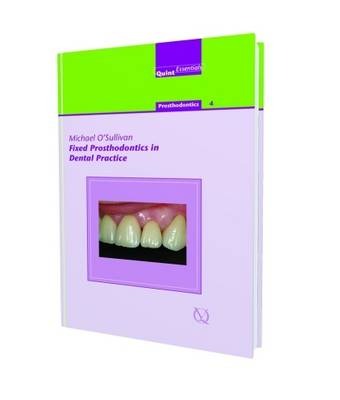
Fixed prosthodontics in dental practice
The practice of fixed prosthodontics has undergone many changes in recent times with significant developments in dental materials and principles of adhesion. However, tooth preparation is still guided by the need to preserve tooth tissue, generate space for restorative material and reshape the tooth to a cylindrical form with a defined finish line. This book carries these principles as a common theme and delineates the stages of prosthesis construction.

Fitofarmacovigilanza : Vigilanza sulla sicurezza dei prodotti fitoterapici = Phytopharmacovigilance: Monitoring the safety of phytotherapeutic products
The use of herbal medicines is now widespread in large sections of the population to solve both acute and chronic problems, both trivial and very serious, and for health purposes. We know that phytotherapics can be obtained without a prescription, and that they are found, as well as in pharmacies, also in herbal medicine and supermarkets as food supplements. It is therefore essential to monitor the safety of these products through phytopharmacovigilance, which requires in-depth knowledge about the nature of the phytotherapic, its chemical components and the way in which it was prepared and used. Doctors, pharmacists, herbalists, and consumers themselves will find in this manual useful information on adverse reactions (ADRs) from herbal medicines; the industries of the herbal sector, and above all the legislator and the bodies responsible for control, will find incentives to improve the safety of use of these natural drugs.

Fishs clinical psychopathology : Signs and symptoms in psychiatry
The fifth edition of this modern classic presents the clinical descriptions and psychopathological insights for which this text is renowned, and adds suggested questions to assist with eliciting key symptoms. It also covers recent revisions of diagnostic classification systems, including the World Health Organization's ICD-11: International Classification of Diseases. Clear and readable, this new edition provides concise descriptions of the signs and symptoms of mental illness and astute accounts of the varied manifestations of disordered psychological function. Designed for use in clinical practice, this is an essential text for students of medicine, trainees in psychiatry, and practising psychiatrists.

Filoviruses : A Compendium of 40 Years of Epidemiological, Clinical, and Laboratory Studies
This book summarizes in detail the contemporary knowledge of filoviruses and diseases they cause. Almost the entirety of the open literature on filoviruses, covering all major scientific and clinical fields, is referenced and summarized in this text, including most of the conference abstracts, book chapters, dissertations, government reports, patents, theses, and journal publications in many languages.

Filgrastim in clinical oncology : Guarding against neutropenia
Granulocyte colony-stimulating factor (G-CSF) has driven the attention of researchers as a therapeutic agent for curing patients suffering from neutropenia. Despite the successful use of G-CSF, it currently requires daily injections, which are inconvenient, expensive, and distressing for children. Therefore, an alternative strategy for using G-CSF for treatment is needed. Understanding the G-CSF structure, expression, mechanism of action, and how it induces neutrophils mobilization is crucial to producing promising cancer therapy. The ability of G-CSF to mobilize hematopoietic stem cells from the bone marrow into the blood circulation was consequently exploited and altered the practice of hematopoietic stem cell transplantation.

Fetal compromise in labor
Sixty years ago, the purpose of introducing electronic fetal heart rate monitoring (EFM) was to reduce the incidence of intrapartum stillbirth. However, by the early 1980s, with falling stillbirth rates, fetal blood sampling had been widely abandoned, as many considered that EFM was sufficient on its own. Unfortunately, while the sensitivity of EFM for the detection of potential fetal compromise is high, specificity is low, and there is a high false positive rate which has been associated with a rising cesarean section rate. The authors suggest that EFM is considered and analyzed as a classic screening test and not a diagnostic test. Furthermore, it requires contextualization with other risk factors to achieve improved performance. A new proposed metric, the Fetal Reserve Index, takes into account additional risk factors and has demonstrated significantly improved performance metrics. It is going through the phases of further development, evaluation, and wider clinical implementation.

Fetal and Neonatal Pathology
The book presenting the same practical approach to the examination of both fetuses and perinatal deaths. It provides essential clinical and pathophysiological information and discusses the pathogenesis of abnormalities as a basis for appropriate methods of investigation. Part 1 deals with the examination of the products of conception after the termination of pregnancy for fetal anomalies. The range of pathological abnormalities is described and their relevance discussed. Special attention is paid to the differences in pathological findings of specific conditions between the second and third trimesters. Part 2 is organised by system, describing and illustrating those pathological problems which are likely to be encountered in the fetus and neonate. Each chapter is introduced by a concise account of the development of the relevant system. There is also a discussion, as appropriate, of changes at birth as well as changes in normal function that may occur during the neonatal period.
