


Refine Results
Sort By
From
To

Macrosocial Determinants of Population Health explores social factors such as culture, mass media, political systems, and migration that influence population health while systematically considering how we may best study these factors and use our knowledge from this study to guide public health interventions.Each section ends with Galea’s integrative chapters, bringing the observations and conclusions from the chapters into clear, usable focus. Macrosocial Determinants of Population Health is a work of major theoretical, empirical, and practical interest for disciplines as varied as public health, epidemiology, health promotion, sociology, and health policy. Its systematic field-building approach makes it as valuable to the public health provider as to the scholars and students studying the health of populations.
High-efficiency micropropagation, with relatively low labour costs, has been demonstrated in this unique book detailing liquid media systems for plant tissue culture. World authorities contribute seminal papers together with papers from researchers across Europe This book is essential reading for all those in commercial micropropagation labs, as well as researchers worldwide who are keen to improve propagation techniques and lower economic costs of production.
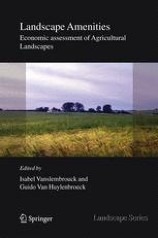
The book mainly tries to formulate an answer to following questions: What is the economic value for society of the farmers' role as stewards of the countryside; and under which conditions are farmers willing to provide these landscape amenities? The challenge of this research is to value the agricultural landscape, as a non-commodity output from agriculture, both from a supply and demand perspective.
Focuses on clinical biochemistry fundamentals, cell culture techniques, and drug discovery and development concepts. It deals with three different fields of clinical research: cell culture, clinical biochemistry, and drug discovery and development.
A reference on the development of cellular systems for the production of recombinant glycoproteins, gene and cell therapies, drug screening and tissue engineering. It intends to review the in-depth assessments of this type of programmed cell death. It is suitable for biotechnologists and researchers in apoptosis, cell biology, and cell culture.
Discusses the latest techniques used to identify cancer drug resistance determinants at the molecular, cellular, and functional levels. Chapters in this book cover up-to-date topics including tumor-microenvironment cell co-culture methods and microfluidics systems; workflows for functional assessment of drug resistance in vitro and in vivo; quantitative techniques for identifying quiescent blood-flow circulating cells; and single-cell characterization methods, such as mass cytometry.

Provides detailed methods on the mechanisms of underlying cancer cell biology. Chapters guide readers through techniques for culturing cancer cell lines, xenografts, cryopreservation of tumor cells, analyzing the co-culture of breast cancer cells, protein secretion by ELISA, flow cytometry-based, multi-parametric immunofluorescence analysis, protein expression by western blot, analysis of surface protein levels, protein recycling by biotinylation assay, and proteomics analysis by liquid chromatography-mass spectrometry.
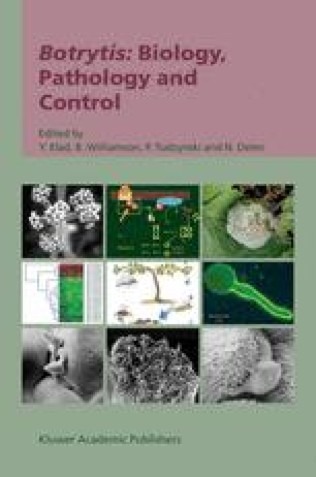
The book is the result of intensive work of 43 authors, all of them leading scientists in the Botrytis sciences. New technologies have arisen that when applied to long-standing problems or to test new hypotheses have been most rewarding and many of these are covered in this book.
Bone and Cartilage Engineering presents the theory and practice of cell-based regeneration of skeletal defects. Much of the focus is on the importance of the cell biological and biomaterial aspects for engineering a clinically relevant device. The basic key techniques for optimal engineering outcomes including cell and organ culture, biomaterial development, and bioreactor use are described in detail and highlighted by multiple figures.
This book explores the problem of male and female circumcision in modern society from religious, anthropological, psychological, medical, legal, and ethical perspectives. Bodily Integrity and the Politics of Circumcision provides a much-needed, thoughtful, and detailed analysis of the devastating impact of circumcision on bodily integrity and human rights, and it provides hope for change.
Details techniques to study biotic elicitors involved in the field of agriculture for the benefit of the environment and growers. Chapters guide readers through protein, carbohydrate, lipid, glycoprotein and glycolipid components derived from microorganisms and their production, purification, and characterization.
Covers critically investigated information on medicinal plants prioritized for their anti-allergy properties. It offers insights into strategies related to the distribution, mechanism of action, and assessment of antiallergic medicinal plants, and also delves into crucial aspects of modern biotechnological tools, addressing their implementation challenges, presenting innovative approaches through case studies, and exploring opportunities for nanotechnologies. These elaborated discussions aim to raise awareness and bridge the gap between human health and the biodiversity of antiallergic medicinal plants.
This book offers 19 detailed protocols on the use of induced mutations in crop breeding and functional genomics studies, which cover topics including chemical and physical mutagenesis, phenotypic screening methods, traditional TILLING and TILLING by sequencing, doubled haploidy, targeted genome editing, and low-cost methods for the molecular characterization of mutant plants that are suitable for laboratories in developing countries. The collection of protocols equips users with the techniques they need in order to start a program on mutation breeding or functional genomics using both forward and reverse-genetic approaches. Methods are provided for seed and vegetatively propagated crops (e.g. banana, barley, cassava, jatropha, rice) and can be adapted for use in other species.
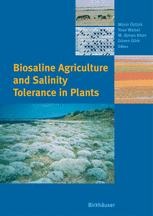
This volume focuses on reclamation, management, and utilization of salt-affected soils, their sustainable use, and evaluation of plants inhabiting naturally occurring saline habitats. It is of interest to scientists and students as well as to agricultural institutions and farmers and will undoubtedly raise the scientific community's awareness of, and interest in salinity issues.
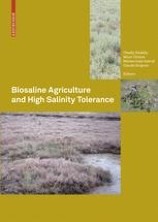
this book reviews the current state of knowledge in biosaline agriculture and high salinity tolerance in plants. It mainly focuses on the biotic approach to economically utilize the stress-prone areas by growing resistant plants.This volume comprises three sections: physiology and biochemistry, ecology, and molecular biology. Thus, a systematic approach has been adopted to uncover plant responses to various ecological factors at physiological and molecular levels.
Source of the latest innovative research and technical development in biomanufacturing systems. It is organised into 2 parts: 1) Manufacturing of recombinant therapeutic proteins (e.g. therapeutic antibodies, biosimilars/biogenerics) and 2) Manufacturing aspects of cell and gene therapy. Each with selected chapters on the following topics for both up- and downstream, such as: Advanced process strategies, especially continuous manufacturing, Advanced culture techniques, especially single-use systems, Process transfer, scale-up/scale-down models, Processing advances/Manufacturing productivity/efficiency, Model-assisted process understanding and development/Digital Twins, Process controls and analytics, Quality control, Quality by design, Facility design and full-scale commercial systems, manufacturing technology innovation.

This book presents a concise and comprehensive review of the biology, ecology, and management of Norway spruce. It integrates classic and contemporary literature (more than 2000 works cited in the text), highlighting basic research and forestry practices in central and eastern Europe. The topics include anatomy and morphology, physiology and nutrition, reproductive biology and genetics, and ecology. In addition, it examines mycorrhiza, diseases and pests as well as silviculture and wood products. In the light of increasing threats to forest health from air pollution, climate change, and insects and disease, it provides an essential information source to those concerned with the ecology, conservation, and management of the species

Covers aspects of fundamental and applied nitrogen-fixation research, from biochemistry and chemistry through genetics, regulation and physiology to agricultural practice and environmental impact. This work describes progress on studies of potential catalysts for nitrogen fixation; how the N2-fixing process is regulated in living cells; and more.
This book follows a precursor volume devoted to biological calci?cation, - sued by the CRC Press, Boca Raton (Florida) in 1992. Several basic aspects of the calci?cation process were analyzed in it by outstanding authors who had unquestioned competence in their respective research areas. Its main aim was that of giving readers access to a series of papers which, even though they discussed divergent aspects of biological calci?cations drawn from the study of systems as different as vertebrate skeletons and mollusks, in vitro cultures and unicellular organisms, ectopic calci?cation and urinary stones, provided elements permitting a coherent approach to a comprehensive view of the calci?cation process in biological tissues.
Includes introductory chapters on classification of prokaryotes, the concept of bacterial species, numerical and polyphasic taxonomy, bacterial nomenclature and the etymology of prokaryotic names, nucleic acid probes and their application in environmental microbiology, culture collections, and the intellectual property of prokaryotes.

Daraa Highway - Ghabagheb - Syria
+963-15 2050 - 15 860 380 /1/2/3 - 11 662 3900