



Page 1
Page 1

Neuroactive Steroids in Brain Function, Behavior and Neuropsychiatric Disorders : Novel Strategies for Research and Treatment
Over the past few decades the involvement of neurosteroids in brain function and mental health has attracted much interest, not only from a neuroscience perspective, but also from clinical and therapeutic aspects. In recent years, much of the research has focused on the multifunctional position of neurosteroids in the nervous system. The areas that have been explored, in particular, are the cellular and molecular mechanisms involved in the activity of neurosteroids in the brain, the role of neurosteroids in brain development, neurodegeneration and neuroplasticity, and their pharmacological properties. The large increase in the number of publications highlights this amplified interest in neurosteroids. Over the last 7 years at least 400 papers have been published describing the putative role of neurosteroids in the modulation of basic brain function and in the etiology and treatment of psychiatric and neurological disorders.

Natural poisons and venom : Plant toxins : Terpenes and steroids
Biogenic toxins are fascinating natural products characterized by an enormous diversity of chemical structures and pharmacological activities. They not only pose hazards to humans and animals, but they are important components in the interplay of substances and living beings in nature and, moreover, important sources for new drugs.

Hormones and the brain
Peripheral hormones have a major impact on the brain: they are able to interfere with its development, to affect release of neurotransmitters and concentrations of receptors, to trigger growth factors involved in lesion repair. These multiple actions account for their capacity to modulate a number of physiological parameters, from reproductive functions to memory, behaviour and aging. Depending upon intensity and duration of exposure, they can be either neuroprotective or neurotoxic, for instance by affecting production of free radicals. This book, based on contributions of pioneer investigators in the field, outlines the ambiguous actions of gonadal steroids (estradiol, progesterone, testosterone, inhibin and activin) and of neurosteroids, related moieties produced in the brain itself. After summarizing their multiple mechanisms of action, which involve both direct effects on neuronal membranes and activation of genes coding for specific proteins in neurons or glial cells, the book outlines the role of hormones in pathogenic processes such as mental disturbances or neurodegenerative diseases.

High performance computing for computational science - VECPAR 2008 ; 8th International Conference, Toulouse, France, June 24-27, 2008. Revised Selected Papers
This book constitutes the thoroughly refereed post-conference proceedings of the 8th International Conference on High Performance Computing for Computational Science, VECPAR 2008, held in Toulouse, France, in June 2008.The 51 revised full papers presented together with the abstract of a surveying and look-ahead talk were carefully reviewed and selected from 73 submissions. The papers are organized in topical sections on parallel and distributed computing, cluster and grid computing, problem solving environment and data centric, numerical methods, linear algebra, computing in geosciences and biosciences, imaging and graphics.

Fare astronomia con piccoli telescopi = Are astronomy with small telescopes
Giant tools are not necessarily required to produce scientifically valid results in the field of astronomy. Even the amateur with a small telescope, with a diameter of only 8-9 cm, can contribute to the science of the sky by making useful observations of the Sun, the Moon, planets, comets, asteroids, double or variable stars, nebulae and star clusters. The manual of M.K. Gainer explains what the minimum equipment is (a small telescope, a computer, a simple digital camera), how to use it, and what are the appropriate techniques to be adopted in the observations. It also offers schemes for interpreting and reducing the collected data, as well as forms to be filled in and sent to international collection centers.

ECZEMA (Atopic Dermatitis)
Atopic dermatitis (eczema) is a condition that makes your skin red and itchy. It's common in children but can occur at any age. Atopic dermatitis is long lasting (chronic) and tends to flare periodically. It may be accompanied by asthma or hay fever. No cure has been found for atopic dermatitis, Certain substances or conditions called trigger factors can cause eczema to flare-up: Irritants such as soaps and detergents, wool, skin infections, dry skin, low humidity, heat, sweating or emotional stress. Allergens such as dust mites, pollen, moulds, or foods.and the treatment for the condition aims to heal the affected skin and prevent flares of symptoms.Topical medications (typically, steroids or other anti-inflammatory medications, and found a correlation between eczema and the Quality of life, Recently some study have done to study the relation with COVID-19.

Dynamics of extended celestial bodies and rings
Taking both a theoretical and observational perspective, this book is an introduction to recent developments in the field of celestial mechanics. It emphasizes the application to extended celestial bodies and devotes much attention to rotational aspects. In particular, it explains the state of art for accurate modelling of the rotation of celestial bodies such as the Earth, the Moon, and Mercury, which involves principles related to hydrodynamics and geodesy. Comparisons between the light curves of the asteroids and their rotational state are made and spatial techniques leading to the determination of the Earth's gravitational field are explained. Also, the book provides a general overview of the collisional processes in the solar system and of the dynamics of the rings. It is addressed to graduate students and researchers in space sciences and celestial dynamics.

Comet, Asteroid Impacts and Human Society : An Interdisciplinary Approach
Leading specialists in various disciplines were first invited to a multidisciplinary workshop funded by ICSU on the topic to gain a better appreciation and perspective on the subject of comet/asteroid impacts as viewed by different disciplines. This volume provides a necessary link between various disciplines and comet/asteroid impacts.

L'astrofilo moderno = The modern amateur astronomer
In less than two decades, amateur astronomy has changed its face. The reason, of course, is technological progress. Cheap but high-quality telescopes, computer-controlled "go-to" mounts, autoguiders, CCD cameras, video cameras and (as always) computers and the Internet are just some of the elements that revolutionized 21st century astronomy. Not only have they made amateur astronomy more "friendly" and fun, but they have also greatly expanded the potential of the amateur astronomer. Martin Mobberley first tackles the basic issues and then analyzes in depth what tools are available on the market. From here he starts to review the revolutionary possibilities that open up for amateur astronomers, from imaging, to spectroscopy, to photometry, to the surveillance of Near-Earth objects - comets and asteroids that can come dangerously close to the Earth.
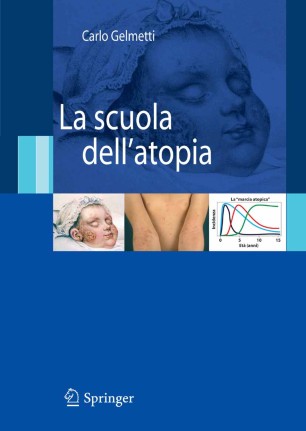
La scuola dell’atopia = The school of atopy
The need to clarify the current concepts of atopy, which for too long have oscillated between a primitive purely clinical vision and a subsequent purely immunological one, had been ripe for some time. Understanding that the role of immunoglobulins E is not exhaustive and accepting the Solomonic division between intrinsic and extrinsic atopy were the first two fundamental steps. Recent discoveries of the role of innate immunity, and therefore of antimicrobial peptides, have opened fundamental spaces for understanding in atopy and beyond. What now appears clear is that atopy is not the disease of an organ but rather a defect in the membranes that delimit our "self". The fact that these membranes are called skin, intestines, conjunctiva, bronchi or whatever has artificially fragmented the understanding and treatment of a unitary phenomenon. This book seeks to summarize the different experiences but above all to be a stimulus to ensure that medicine focuses constructively on the same target. If this is the case, we will no longer see "religious wars" between scientists and practicing doctors or, even worse, between the different specialists vying for the patient. If atopy, as we believe, is a global problem, it can only be adequately addressed in a multidisciplinary context and in a collaborative atmosphere, not only between doctor and doctor but also between doctor and patient.
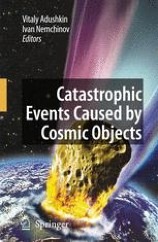
Catastrophic Events Caused by Cosmic Objects
Many times all of us could hear from mass media that an asteroid approached and swept past the Earth. Such an asteroid or comet will inevitably strike the planet some day. This volume considers hazards due to collisions with cosmic objects, particularly in light of recent investigations of impacts by the authors. Each chapter written by an expert contains an overview of an aspect and new findings in the field. The main hazardous effects – cratering, shock, aerial and seismic waves, fires, ejection of dust and soot, tsunami are described and numerically estimated. Numerical simulations of impacts and impact consequences have received much attention in the book. Fairly small impacting objects 50 -100 m in diameter pose a real threat to humanity and their influence on the atmosphere and ionosphere is emphasized.
Biomarkers as targeted herbal drug discovery : A pharmacological approach to nanomedicines
Looks at the applications of biomarkers as important tools for herbal drug discovery, presenting research on phytoconstituents with advanced nanotechnological applications for healthcare benefits. Herbal drug discovery based on biomarkers is an emerging area in complementary and alternative medicine that has tremendous potential in healthcare. Conventional medications have limited efficacy and high toxicity, whereas herbal drugs are said to provide wide structural diversity that is not usually seen with conventional/synthetic drug molecules. Recognition of various herbal constituents, such as terpenoids, fatty acids, flavonoids and steroids, are well explored in the management and treatment of various disorders in this volume. These agents target various biomarkers such as nitric oxide (NO), cytokines, chemokines, adhesion molecules, NF- kβ, lipoxygenase (LOX), and arachidonic acid. Reviews the literature on inflammatory biomarkers in the treatment of diseases Looks at the development of herbal drug discovery based on biomarkers Explores emerging concepts of nanomedicines for herbal drug delivery Takes an interdisciplinary approach, with application to disciplines related to medical, pharmaceutical, biotechnological, Ayurvedic, Unani and biomedical engineering fields

Biomacromolecules : Carbohydrates, lipids, proteins and nucleic acids
The first chapter looks at the structural formulas and cyclic forms of monosaccharides, as well as their synthesis and breakdown. Cyclization, enolization, isomerization, tautomerization, mutarotation, and epimerization are all briefly described. Examples of disaccharides and polysaccharides are also presented. The second chapter covers triglycerides, steroids, vitamins, and their constituents. The third chapter examines the primary structure of proteins, including amino acid properties, peptide bond formation, and peptide synthesis. It also addresses secondary, tertiary, and quaternary structures. The book concludes with a chapter on nucleic acids, which covers the chemistry of nucleosides and oligonucleotides as well as topics such as genetic code, DNA secret code, Polymerase Chain Reaction and DNA fingerprinting.

Bioequivalence of topical generic products
Bioequivalence (BE) assessment of topical dermatological products is a long standing challenge. The development of generic topical dermatological products has often been hampered due to the limited number of acceptable approaches, which are capable of determining the BE between generic products and reference list products. Currently, except in the case of dermatological corticosteroids, the golden rule to establish the BE of most topical dermatological products still heavily relied on clinical endpoint trials, which are often unreliable, time-consuming and expensive. The regulatory agencies and pharmaceutical industries are forging ahead to the development of new surrogate BE assessment approaches for other topical dermatological products. These promising approaches include dermatopharmacokinetic study (DPK), dermal microdialysis (DMD), near-infrared spectrometry (NIR), and confocal Raman spectroscopy (CRS).

A Practical Guide to Lightcurve Photometry and Analysis
A Practical Guide to Lightcurve Photometry and Analysis provides, for those with access to even a modest telescope and CCD camera, all the information needed to take part in the scientific study of asteroids and variable stars.A Practical Guide to Lightcurve Photometry and Analysis contains all the material needed for readers to understand the theory, and avoid the practical pitfalls of lightcurve photometry. Detailed examples are given for obtaining data, and of course for the exciting and rewarding task of analyzing the data to determine the physical properties of the object.
