


Refine Results
Sort By
From
To

The book also covers cutting-edge research and technological advances that will shape the surgery of tomorrow. There is little doubt that technological advances in preoperative imaging, such as 3-D reconstruction, preoperative preparation with portal vein embolisation and operative techniques using bloodless RF resection methods, are already changing the nature of liver surgery.
This volume, both necessary and new in the panorama of Italian medical literature, acknowledges this and presents an updated and complete review of the pathologies of the central and peripheral nervous system associated with tumors and their treatment. The purpose of the volume is to present an integrated approach between specialists that must see the neurologist and the oncologist in dialogue, and able to develop a new super-specialized clinical capacity in neuro-oncology. Many experts have contributed to its preparation by sharing knowledge on topics ranging from metastatic complications, to those of surgical cancer therapy, radio- and chemo-therapy, paraneoplastic syndromes, pain therapy, delirium and the affective alterations associated with the disease. The book is aimed in particular at neurologists, oncologists, palliative care practitioners and surgeons, but it is certainly useful for general practitioners and all operators who are daily involved in the demanding work of taking care of cancer patients.

Ketamine for Treatment-Resistant Depression: Neurobiology and Applications provides a simple, evidence-based overview for neuropsychiatrists and translational researchers on this medication, its mechanisms of actions, eligibility of patients for treatment, and the preparation and implementation of ketamine clinics.

The most comprehensive and authoritative pharmacology text --updated with new content and USMLE-style questions Presented in full-color and packed with hundreds of illustrations, Basic and Clinical Pharmacology is the wide-ranging, engaging guide students have counted on for decades. To be as clinically relevant as possible, the book includes sections that specifically address the clinical choice and use of drugs in patients and the monitoring of their effects, along with case studies that introduce clinical problems. Each chapter opens with a case study, covers drug groups and prototypes, and closes with summary tables and diagrams that encapsulate important information. Updated to reflect the latest research, this sixteenth edition features a new chapter on cannabinoids, USMLE-style questions, new drug tables, and more. Basic and Clinical Pharmacology, Sixteenth Edition features: * 330 full-color illustrations * NEW: 100 drug tables * NEW: 50 USMLE-style questions * NEW: Chapter on cannabinoids * A strong emphasis on drug groups and prototypes * Case studies and chapter-ending summary tables * Organization that reflects the syllabi of pharmacology courses * Descriptions of important new drugs

The present volume documents and analyzes facial features in preparation for aesthetic surgery and orthodontic treatment. It takes a multidisciplinary approach, emphasizing the relationships between different parts of the face. At the end of each of the central chapters, the reader will find a multiple-choice checklist that will help him perform a step-by-step regional facial analysis.
This fully updated volume describes methods and protocols for a number of drugs and toxins in a stepwise manner. Exploring the versatility and flexibility of mass spectrometry, the book covers the advantages of this technology, which typically include elimination of the need for special reagents such as antibodies, increased sensitivity and specificity, and multi-component analysis enabling the screening of tens to hundreds of compounds in a single assay run. Written for the highly successful Methods in Molecular Biology series, chapters include introductions to their respective topics, lists of the necessary materials and reagents, step-by-step and readily reproducible laboratory protocols, as well as tips on troubleshooting and avoiding known pitfalls.
Helps you understand the principles of pharmacology and apply them to nursing practice. Known for its practical application of the nursing process to drugs and disorders, this book explains how to make informed decisions about drug therapy, educate patients, and administer medications. This edition adds new Next Generation NCLEX® (NGN)-style case studies and questions to prepare you for the critical thinking questions on the NGN exam. Concise and easy to use, this text teaches the basics of medication administration and drug actions.
A Practical Guide for Cardiovascular Magnetic Resonance Imaging provides a comprehensive and reader-friendly educational tool for physicians starting to work with CMR and cardiology and radiology trainees preparing for the Board certification examination.
Covers the recent trends on the biological applications of nanomaterials, methods for their preparation, and techniques for their characterization. Further, the book examines the fundamentals of nanotoxicity, methods to assess the toxicity of engineered nanomaterials, approaches to reduce toxicity during synthesis. It also provides an overview of the state of the art in the application of Artificial intelligence-based methodologies for evaluation of toxicity of drugs and nanoparticles. The book further discusses nanocarrier design, routes of various nanoparticle administration, nano based drug delivery systems, and the toxicity challenges associated with each drug delivery method. It presents the latest advances in the interaction of nanoparticles with the cellular environment and assess nanotoxicity of these engineered nanoparticles. The book also explores the comparative and mechanistic genotoxicity assessment of the nanomaterials. This book is useful source of information for industrial practitioners, policy makers, and other professionals in the fields of toxicology, medicine, pharmacology, food, and drugs.
Biological Low-Voltage Scanning Electron Microscopy is the first book to address both of these aspects of biological LVSEM. After providing a thorough description of the unique advantages and the operating constraints related to operating a scanning electron microscope at low beam voltage, the remainder of book focuses on the the best way to image all types of plant and animal cells and covers specimens that range from macromolecules to the surfaces revealed by de-embedding resin-embedded samples. Advanced specimen preparation techniques such as cryo-LVSEM, and immuno-gold-LVSEM are fully covered, as is x-ray microanalysis at low beam voltage and live-time stereo imaging. The preparative protocols provided represent the distilled essence of the experience of a group of world-renowned authors who have, for many decades, been instrumental in developing and applying new approaches to LVSEM to support their own biological research.
Offers a clear and concise overview of all exam-relevant pharmacology content. It guides you through the entire foundational knowledge, from the basics to the most important clinical pictures, in an easily understandable way and aligned with the German National Competency-Based Learning Objectives for Medicine (GK) and National Competency-Based Learning Objectives for Medicine (NKLM). Benefit from the lecturer's many years of experience, who has carefully selected and presented the essential information for you.
Provides a comprehensive review of the fundamental and practical aspects of bioanalytical support and the integral role it plays in the development of safe and efficacious biopharmaceutical drugs with speed and cost-effectiveness. Focuses on a broad range of conventional and emerging biopharmaceutical modalities including monoclonal antibody-based therapeutics, gene therapy, cell therapy, peptides and oligonucleotides.
Rhytidoplasty is a palliative procedure in which face wrinkles are surgically removed to promote a more youthful appearance.The first sections focus on the surgical planning, including psychological considerations, preparation of the patient and anatomical and biochemical changes caused by the aging process. It also describes the surgical anatomy of the forehead, face, neck and eyelids. The third section provides a comprehensive overview of the basic techniques of facelift with details of refined surgical approaches for each segment of the face and neck. It highlights liposuction techniques, lipoinjection as well as transference of stem cells, showing their importance in reshaping the facial contours. It addresses both the treatment of soft tissue and craniofacial bone structures to improve the aesthetics of the face. The next sections present the final scars after face-lifting, minimally invasive procedures as complementary approaches during rhytidoplasty and the associated procedures during rhytidoplasty. The last section discusses postoperative care.
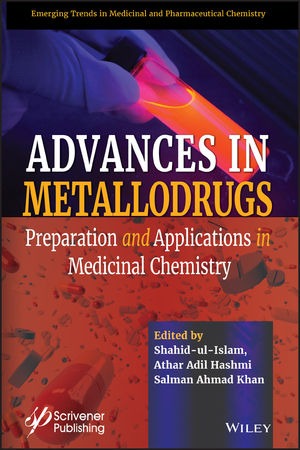
This book is organized into 12 important chapters that focus on the progress made by metal-based drugs as anticancer, antibacterial, antiviral, anti-inflammatory, and anti-neurodegenerative agents, as well as highlights the application areas of newly discovered metallodrugs. It can prove beneficial for researchers, investigators and scientists whose work involves inorganic and coordination chemistry, medical science, pharmacy, biotechnology and biomedical engineering

Includes a Materia Medica with monographs covering 25 adaptogens, including eleuthero, ginseng, rhodiola, schisandra, ashwagandha, licorice, shatavari, reishi, and holy basil, as well as complementary nervines, restorative tonics, and nootropics Explains how adaptogens increase the body's resistance to adverse influences, increase energy and stamina, and counter the effects of age and stress on the body Details the actions, properties, preparation, and dosage for each herb and their uses in Ayurveda and Chinese medicine and as remedies for animals Every day our bodies strive to adapt and stay balanced, energized, and healthy, yet chronic stress and the resulting elevation of stress hormones such as cortisol have been shown to be major factors behind not only fatigue and weight gain but also many chronic and degenerative diseases

This book provides a gentle, software engineering oriented introduction to category theory. Assuming only a minimum of mathematical preparation, this book explores the use of categorical constructions from the point of view of the methods and techniques that have been proposed for the engineering of complex software systems: object-oriented development, software architectures, logical and algebraic specification techniques, models of concurrency, inter alia. After two parts in which basic and more advanced categorical concepts and techniques are introduced, the book illustrates their application to the semantics of CommUnity – a language for the architectural design of interactive systems. "For computer scientists, this unique book presents Category Theory in a manner tailored to their interests and with examples to which they can relate." Ira Forman, IBM "This book applies little-known yet quite powerful formal tools from category theory to software structures: designs, architectures, patterns, and styles. Rather than focus on issues at the level of computational models and semantics, it instead applies these tools to some of the problems facing the sophisticated software architect.
Covers the internals of front and back propagation and helps you understand the main principles of neural network processing. You also will learn how to prepare the data to be used in neural network development and you will be able to suggest various techniques of data preparation for many unconventional tasks. You will learn: Use Java for the development of neural network applications / Prepare data for many different tasks / Carry out some unusual neural network processing / Use a neural network to process non-continuous functions / Develop a program that recognizes handwritten digits
Focuses on the materials used for dental applications looking at the fundamental issues and the developments that have taken place the past decade. While it provides a broad overview of dental materials, the chemicals that are used for the preparation and fabrication of dental materials are explained as well. Also, the desired properties of these materials are discussed and the relevance of the chemical, physical, and mechanical properties is elucidated. Methods for the characterization and classification, as well as clinical studies are reviewed here. In particular, materials for dental crowns, implants, toothpaste compositions, mouth rinses, as well as materials for toothbrushes and dental floss are discussed. For example, in toothpaste compositions, several classes of materials an chemcials are incorporated, such as abrasives, detergents, humectants, thickeners, sweeteners, coloring agents, bad breath reduction agents, flavoring agents, tartar control agents, and others. These chemicals, together with their structures, are detailed in the text.
Provides a comprehensive overview of the oral and maxillofacial subjects in dentistry that students will need in order to pass their final exams. This invaluable adjunct to exam preparation provides a practical synthesis of core information, reflecting real-life case scenarios. Information is structured to enhance understanding and clinical decision making, and a variety of self-assessment methods prepare students for success. Comprehensively updated, the book covers a range of essential topics in the field of contemporary oral and maxillofacial subjects, including surgical flap design, state-of-the-art surgical techniques, zygomatic implants, molecular pathology, current imaging applications and pain management. The text is integrated and evidence based throughout. Covers oral and maxillofacial surgery, radiology, pathology and oral medicine subjects Brand new chapter on facial skin broadens diagnostic ability Range of self-assessment tasks to support learning Aligns to dental school curricula globally Concise and easy to follow Designed to support recall for examination purposes Practical guidance on examination preparation and skills Perfect for BDS exam preparation and candidates taking the MFDS, MJDF, ORE or other post-graduate exams
A comprehensive guide to leadership in healthcare and the management of complex clinical scenarios in the medical or dental practice. Training in leadership and hospital management is not part of the curriculum and so guidance is often not provided in depth. This book outlines strategies for dealing with the management problems that arise in the healthcare profession, and it prepares the reader for interviews, examinations and the supervision of a team.

Daraa Highway - Ghabagheb - Syria
+963-15 2050 - 15 860 380 /1/2/3 - 11 662 3900