



Page 1
Page 1

Traditional use of medicinal plants for the treatment of Diabetes mellitus
Diabetes mellitus (DM) is a chronic metabolic disorder characterized by persistent hyperglycemia. It may be due to impaired insulin secretion, resistance to peripheral actions of insulin, or both. According to the International Diabetes Federation (IDF), approximately 415 million adults between the ages of 20 to 79 years had diabetes mellitus in 2015. DM is proving to be a global public health burden as this number is expected to rise to another 200 million by 2040. Chronic hyperglycemia in synergy with the other metabolic aberrations in patients with diabetes mellitus can cause damage to various organ systems, leading to the development of disabling and life-threatening health complications, most prominent of which are microvascular (retinopathy, nephropathy, and neuropathy) and macrovascular complications leading to a 2-fold to a 4-fold increased risk of cardiovascular diseases.

Therapeutic drug targets and phytomedicine For triple negative breast cancer
Provides an overview of TNBC etiology, its treatment strategies and prognostic markers to identify the outcome of standard therapies. Signalling pathways namely cell proliferation, angiogenesis, invasion and metastasis, apoptosis, autophagy and others involved in complicating the disease have been described in the chapters to convey an understanding about the disease mechanisms. All the possible drugs either in pre-clinical or clinical stages have also been mentioned with data that depicts their efficiency in targeting altered genes. Introduces the reader to herbal medicine exhibiting high potency to target TNBC, their synthetic analogs used during chemotherapy and their ability to fight against chemoresistance. The concept of phytonanotechnology has also been discussed. Helps create awareness among a broad range of readers about TNBC. It points to prioritizing the upgradation of health care facilities and re-designing future treatment strategies to provide maximum benefit to breast cancer patients.

Rational phytotherapy : A reference guide for physicians and pharmacists
A practice-oriented introduction to phytotherapy. Methodically classified by organic systems and fields of application, it offers a quick insight into dosage, form of application and effects of the most important herbal remedies. Only those herbal remedies that are of pharmacological and clinical efficiency have been considered. The authors are highly experienced in the field of postgraduate medical education, and, with this work, present an indispensable reference book for the medical practice. All practitioners and pharmacists interested in treatment with herbal remedies should have this book at their disposal.

Principles and practice of phytotherapy : Modern herbal medicine
Covers all major aspects of herbal medicine from fundamental concepts, traditional use and scientific research through to safety, effective dosage and clinical applications. Written by herbal practitioners with active experience in clinical practice, education, manufacturing and research, the textbook is both practical and evidence based. The focus, always, is on the importance of tailoring the treatment to the individual case. New insights are given into the herbal management of approxiately 100 modern ailments, including some of the most challenging medical conditions, such as asthma, inflammatory bowel disease and other complex autoimmune and inflammatory conditions, and there is vibrant discussion around the contribution of phytotherapy in general to modern health issues, including health ageing.

Plants as medicine and aromatics : Pharmacognosy, ecology and conservation
Herbal medicines have consistently demonstrated several major advantages, including a lack of serious adverse side effects, long-lasting curative impact, and an overall cost-effectiveness. Even today, with a plethora of modern pharmaceutical medicines commonly available, plant-based medicines and aromatics are increasingly in demand throughout the health sector globally, where they are used not only for the treatment of disease but also preventatively for maintaining good health. Thus, currently almost two-thirds of the world's population willingly seek side-effect-free alternatives to modern medical treatments and thus depend on phytomedicine for their primary health care.

Pharmacovigilance for Herbal and Traditional Medicines : Advances, Challenges and International Perspectives
Dedicated to the topic of pharmacovigilance for herbal and traditional medicines. Taking a truly global perspective, this volume draws together contributions from a diverse group of experts, writing on current knowledge and practices in pharmacovigilance for herbal and traditional medicines, and on advances and innovation in monitoring the safety of this unique and complex category of products and preparations. In part one, the book discusses the current status of pharmacovigilance for herbal and traditional medicines, including the importance of natural products chemistry to harms, and its relevance in considering how pharmacovigilance for these products could be undertaken. Several other chapters discuss methodological approaches and ongoing challenges in pharmacovigilance for herbal and traditional medicines, including issues relating to nomenclature, coding and classification, and the nuances involved in causality assessment.

Oral Health and Herbal Medicine
Oral health loss is one of the major problems existing all over the world and is one of the top causes of death when unmanaged. The oral cavity is home to numerous pathogenic microorganisms, some of which are responsible for the progression and development of various systemic diseases such as cancer, diabetes and myocardial infarction. Worldwide, 60–90% of school children and nearly 100% of adults have dental cavities, often leading to pain and discomfort. There are implications for the global economy as well, due to the continuous burden of investing resources to maintain oral hygiene. Not surprisingly, developing countries are disproportionally affected. There is thus an urgent need to develop economical solutions for the treatment of oral diseases.

New Age herbals : Resource, quality and pharmacognosy
Importance of herbs (medicinal plants) can hardly be overemphasized. They are exploited for manyfold applications, ranging from phytopharmaceuticals, to nutraceuticals, to cosmetics and many others. Keeping in view the richness of herbs and their vast potential, this book collates the most up-to-date knowledge of important herbs and herbals. The book also gives an overview of some issues causing hindrance in the promotion of herbals. This book attempts to compile the rich experience of experts working on various herbs. New age single plant species, having multiple medicinal traits worth exploiting i.e. Hippophae rhamnoides (seabuckthorn), and Morinda citrifolia (noni) also find place as full chapters in the book.

Modern medicines from plants : Botanical histories of some of modern medicine’s most important drugs
Features information on plants from which we obtain modern prescription medicines. It outlines their historical uses as herbal medicines in the past two millennia, using primary sources, and describes how extracts from them, and their semisynthetic and synthetic derivatives, were developed to be today’s therapeutic drugs and diagnostic chemicals. This book describes medicinal plants and their habitats, the diseases that their medicines treat, and the science of how they work.

Menopause
As people live longer, women are spending most of their lives in menopause, affected by a variety of estrogen-related conditions such as osteoporosis, cognitive and cardiovascular decline, increased risk of breast cancer and other symptoms that decrease the overall quality of life. Unfortunately, hormonal therapy was found to be less effective in decreasing the severity of some of these conditions than previously thought and may actually increase the risk of cancer. The aim of this research was to put a spotlight on natural treatments for menopause like changing life style and herbal medicines.

Medicinal plants of the world ; Vol.3 : Chemical constituents, traditional and modern medicinal uses
The author's exhaustive summary of available scientific data for each plant provides detailed information on how the plant is used in different countries, describing its traditional therapeutic applications and what is known from its use in clinical trials. Additional material presented includes a botanical description with a color photo of each plant for identification, the common names used for the plant throughout the world, and a listing of the plant's known chemical constituents. A comprehensive bibliography cites the literature available from a wide range of disciplines. Medicinal Plants of the World: Chemical Constituents, Traditional and Modern Medicinal Uses, Volume 3, offers a unique collection of vital scientific information for pharmacologists, herbal medicine practitioners, drug developers, phytochemists, medicinal chemists, phytologists, toxicologists, and researchers who want to explore the many uses of plant materials for medicinal and related purposes. Its wealth of significant information will reveal little-known facts about these plants and open new horizons of application for the many novel drugs and drug candidates found in them.
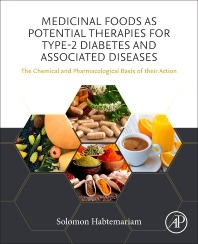
Medicinal foods as potential therapies for type-2 diabetes and associated diseases : The chemical and pharmacological basis of their action
Focuses on active pharmacological principles that modulate diabetes, associated risk factors, complications and the mechanism of action of widely used anti-diabetic herbal plants—rather than just the nutritional composition of certain foods. Provides up-to-date information on acclaimed antidiabetic super fruits, spices and other food ingredients. Sections cover diabetes and obesity at the global level, the physiological control of carbohydrate and lipid metabolism, the pathophysiology of type-2 diabetes, the chemistry and pharmacology of a variety of spices, and much more. This book will be invaluable for research scientists and students in the medical and pharmaceutical sciences, medicinal chemistry, herbal medicine, drug discovery/development, nutrition science, and for herbal practitioners and those from the nutraceutical and pharm industries.

Herbs for common ailments : How to make and use herbal remedies for home health care
Shows you how to use 56 common herbs to address a wide range of everyday ailments, from burns, wounds, and itchy skin to headaches, congestion, indigestion, strains, bruises, sore throats, coughs, fevers, colic, cramps, and insomnia. She also shows you how to stock a simple first-aid kit with safe, effective herbal remedies.

Herbals as nutraceuticals : Their role in healthcare
Herbal nutraceuticals demonstrate a variety of therapeutic benefits and have been found to prevent, treat, and even cure a range of diseases. This new book provides insight into nutraceuticals and their function in human health, highlighting their antimicrobial and immune-inflammatory properties. It describes the nutraceutical properties of various medicinal herbs and details the role of nutraceuticals in treating diseases such as Alzheimer's, Parkinson's, obesity, diabetes, cancer, cardiovascular diseases, skincare issues, and more.

Herbal Products : Toxicology and Clinical Pharmacology
Herbal Products: Toxicology and Clinical Pharmacology, Second Edition builds upon the informative foundation laid by its predecessor. This fully revised and expanded second edition boasts over 200 new references that document efficacy studies and adverse effects and four new chapters devoted to dietary products.
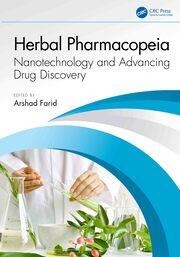
Herbal pharmacopeia : Nanotechnology and advancing drug
Explores the intersection between traditional herbal medicine and cutting-edge nanotechnology. The chapters introduce modern techniques used in herbal extraction and analysis. The principles of drug discovery from plants are discussed, with a focus on the identification and development of bioactive compounds that have therapeutic potential. It discusses the pharmacological properties, biotechnological approaches in drug development, and challenges in the formulation and standardization of herbal medicines. Emerging trends and applications of nanotechnology in herbal pharmacotherapy, such as nanoparticle synthesis, enhanced bioavailability using nanocarriers, safety assessments, novel and targeted delivery systems, and regulatory considerations, are thoroughly discussed. Additionally, it includes a comparative analysis of traditional and nano-formulated approaches and their implementation in clinical settings. Towards the end, the book reviews the regulatory considerations for herbal products and future perspectives in herbal pharmacopeia. This book is intended for researchers, clinicians, and professionals in herbal medicine, pharmacology, and nanotechnology.

Herbal medicine in India : Indigenous knowledge, practice, innovation and its value
Covers Indian herbal medicines, health products, pharmaceuticals, nutraceuticals, and cosmetics. Highlights the status quo and future prospects of traditional medicine in India / Provides information on drug discovery, ethnobotany, isolation of phytochemicals, importance of herbal nutraceuticals, etc. / Covers innovation, validation and IPR issues related to Indian traditional medicine

Herbal immunity boosters against COVID-19
Provides an introduction to COVID-19 and herbal medications that boost the human immune system against SARS-CoV-2. The topics are covered in 7 chapters starting with an introduction to the disease, followed by notes on nutraceuticals and common herbal medicines that have therapeutic potential by enhancing the patient’s immune response. Special topics such as COVID-19 risk factors and Indian traditional medicines are also included to supplement the contents. The editors have taken advantage of the vast body of knowledge accumulated since the start of the COVID-19 pandemic in 2019.

Herbal antibiotics : Natural alternatives for treating drug-resistant bacteria ; 2nd ed.
Health care providers have discovered many new resistant strains of bacteria, researchers have added to the growing body of knowledge about herbs, and the need for antivirals to treat emerging infections like SARS and West Nile Encephalitis has become urgent. Within ten years, according to sources cited in the book, pharmaceutical antibiotics will begin to fail at epidemic rates. There are, in fact, no new antibiotics currently in planning or development at any of the major pharmaceutical companies. Most notably, there is none for Gram-negative bacteria, which are emerging as the most dangerous pathogens.

Healing effects of pumpkin : Physicochemical studies of pumpkin and its skin care preparations
The pumpkin is a plant that is used from thousands of years in healing patients but at the recent decades, the scientists focused in research on the possible treatment to discover new effects. We made this study to investigate the effect of pumpkin on the skin so we made several formulation of cream by using boiled pumpkin juice, pumpkin seed oil and we choose the best one, to try it on possible volunteers with differents derma problems.
