



Page 1
Page 1

National Institute of Allergy and Infectious Diseases, NIH ; Vol.1 : Frontiers in Research
National Institute of Allergy and Infectious Diseases, NIH: Volume 1, Frontiers in Research contains presentations given at the 2006 NIAID Research Conference held in Opatija, Croatia which brought internationally known researchers from the United States and Central and Eastern Europe to focus together on shared interests in microbiology, infectious disease, HIV/AIDS, and basic and clinical immunology. Some of the topics covered include emerging and re-emerging infections, the development of infectious disease prophylactics and therapeutics, drug resistance, and various topics in immunomodulation, autoimmunity, infections and immunity, and the development of vaccines.Extensive and in-depth, National Institute of Allergy and Infectious Diseases, NIH: Volume 1, Frontiers in Research is a valuable, comprehensive guide to the state of research today.

Nanotechnology applied To pharmaceutical technology
Focuses on devising innovative nanopharmaceutical products and solutions to treat such diseases as cancer, infections, eye diseases, and in tackling multi-drug resistance threats. Nanotechnology Applied to Pharmaceutical Technology consists of four sections that include coverage of biosynthesis of nanoparticles, nano-material based formulations and toxicity, and safety issues.

Medicinal plants and antimicrobial therapies
Serves as an excellent comprehensive material covering the current understandings and updates on antimicrobial resistance (AMR) and the use of medicinal plant resources for tackling it. Chapters cover important aspects of AMR and strategies to address this threatening issue with medicinal plants and their resources. One health perspectives for addressing AMR have been presented for the readers. Antimicrobial medicinal plant therapeutic resources including crude extracts, active fractions, pure molecules and essential oils, besides using them as functionalizing agents for nano-antimicrobials have been covered. Further, plant endophytes as a source of antimicrobial compounds have been discussed. Chapters cover both the bactericidal as well as resistance-reversal (or potentiating/ combinatorial therapies) potencies of medicinal plant resources. The book also focuses on how medicinal plant resources effectively target major determinants of AMR.

Introduction to basics of pharmacology and toxicology ; Vol.2 : Essentials of systemic pharmacology : From principles to practice
Describes the pharmacology of drugs acting on different systems in the human body Analyses various human diseases and the pharmacological agents governing them Provides a valuable reference resource for academicians, researchers, and clinical practitioners Offers a comprehensive overview of the pharmacology concerning the autonomic, central, and peripheral nervous systems. Presenting up-to-date information on chemical mediators and their significance, it highlights the therapeutic aspects of several diseases affecting the cardiovascular, renal, respiratory, gastrointestinal, endocrinal, and hematopoietic systems. The book also includes drug therapy for microbial and neoplastic diseases. It also comprises sections on immunopharmacology, dermatological, and ocular pharmacology providing valuable insights into these emerging and recent topics.

Introduction to basics of pharmacology and toxicology ; Vol.1 : General and molecular pharmacology : Principles of drug action
Illustrates the most crucial principles involved in pharmacology and allied sciences. The title begins by discussing the historical aspects of drug discovery, with up to date knowledge on Nobel Laureates in pharmacology and their significant discoveries. It then examines the general pharmacological principles - pharmacokinetics and pharmacodynamics, with in-depth information on drug transporters and interactions. In the remaining chapters, the book covers a definitive collection of topics containing essential information on the basic principles of pharmacology and how they are employed for the treatment of diseases.

In vivo Models of HIV Disease and Control
An AIDS vaccine is still elusive and HIV treatment continues to develop multidrug resistance at alarming rates. Because of the similarities between HIV and immune deficiency infections in a variety of animals, it is only natural that scientists use these animals as models to study pathogenesis, treatment, vaccine development and many other aspects of HIV. Part of the series Infectious Agents and Pathogenesis, this volume reviews the immune deficiency virus in a variety of hosts. Pathogenesis, vaccine and drug development, epidemiology, and the natural history of the monkey, mouse, cat, cow, horse, and other animal viruses are detailed and compared to HIV. Also included are chapters on the history and future of animal models, as well as a chapter on ethical and safety considerations in using animal models for AIDS studies.

Immunology, phenotype first : How mutations have established new principles and pathways in immunology
This monograph deals with the impact of classical genetics in immunology, prov- ing examples of how large immunological questions were solved, and new fields opened to analysis through the study of phenotypes, either spontaneous or induced. As broad as biology has become, there are those who do not fully understand what the genetic approach is, and how it differs fundamentally from most of the methods available to natural scientists.

Immunology and Immunopathogenesis of Malaria
This collection of reviews addresses many of these important issues of malarial immunity and immunopathology. They are of interest not only to malariologists, but hopefully also to the broader immunological community. Strong interactions with, and feedback from immunologists working in other infectious diseases and in basic immunology will help us to move the field of malaria immunology and therapeutic intervention forward more quickly.

Human fungal diseases : Diagnostics, pathogenesis, drug resistance and therapeutics
Reviews the latest advancements in the fungal infections and their impact on human health. It presents epidemiology, diagnosis, pathogenesis, risk factors, virulence mechanisms, treatment, and strategies for the disease management and prevention of fungal infections. The book further reviews host-pathogen interactions, biofilm formation, and quorum sensing. It also covers the clinical manifestations, diagnostic approaches, and management strategies of opportunistic fungal infections, emerging fungal infections, and allergic fungal infections. It presents the latest advancements in diagnostic methods and therapeutic strategies, covering both conventional techniques and state-of-the-art approaches. Further, the book elucidates antifungal stewardship, nanotechnology, and omics technologies, providing insights into cutting-edge strategies for prevention, control, and management of multidrug-resistant fungi. This book is useful for researchers, students, and health professionals working in the fields of mycology, infectious diseases, immunology, dermatology, and pulmonology.

Ethics and Drug Resistance : Collective Responsibility for Global Public Health
This book provides in-depth analysis of the wide range of ethical issues associated with drug-resistant infectious diseases.

Drug Targets in Kinetoplastid Parasites
The book contains 12 chapters contributed by eminent scientists working in this field. The articles deal mainly with two aspects: visual identification of targets and identification of therapeutic agents.Several targets like kDNA replication machinery, purine salvage pathway, purine and pyrimidine biosynthetic pathway, histone deacetylase, DNA topoisomerases, membrane transporter proteins, glycoproteins and glycolipids are discussed in this book. Since current treatments for kinetoplastid parasitic diseases are far from ideal, there is an urgent and genuine need to develop newer compounds as antiparasitic drug candidates. Therefore evelopment of some lead compounds against these parasites as well as drug resistance are also included in this book. Moreover the vast amount of information generated after publication of the "Trytrip" genome sequence now makes possible several new approaches for target identification and discovery of therapeutic agents. This book is an outcome of the contributions of many scientists working in this important area.

Drug discovery targeting drug-resistant bacteria
Drug Discovery Targeting Drug-Resistant Bacteria explores the status and possible future of developments in fighting drug-resistant bacteria. The book covers the majority of microbial diseases and the drugs targeting them. In addition, it discusses the potential targeting strategies and innovative approaches to address drug resistance. It brings together academic and industrial experts working on discovering and developing drugs targeting drug-resistant (DR) bacterial pathogens. New drugs active against drug-resistant pathogens are discussed, along with new strategies being used to discover molecules acting via new modes of action. In addition, alternative therapies such as peptides and phages are included.

Combination therapy against multidrug resistance
Explores strategic methods with investigation of both short- and long-term goals to combat multidrug resistance Presents a broad scope to understand fully the ways to apply combined therapy to multidrug resistance Provides an overview of combination therapy, but also includes specific cases such as cancer, tuberculosis, HIV and malaria

Combating Antibiotic Resistance : Report to the President and National Strategy
Antibiotics, in particular, have saved millions of lives. This book discusses combating antibiotic resistance and provides reports to the presidents and national strategies.
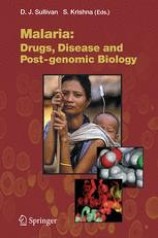
Malaria: Drugs, Disease and Post-genomic Biology
This volume brings some of the worlds best investigators to describe recent advances in both the scientific and clinical aspects of malaria, and bridges between the two. The opening chapters discuss antimalarials and resistance to them in Africa and Asia. Then there are reviews of the different clinical manifestations of malaria, ranging from uncomplicated infections to severe disease and its complications.
Cancer drug resistance : methods and protocols
Discusses the latest techniques used to identify cancer drug resistance determinants at the molecular, cellular, and functional levels. Chapters in this book cover up-to-date topics including tumor-microenvironment cell co-culture methods and microfluidics systems; workflows for functional assessment of drug resistance in vitro and in vivo; quantitative techniques for identifying quiescent blood-flow circulating cells; and single-cell characterization methods, such as mass cytometry.
Cancer drug resistance
In Cancer Drug Resistance, leading scientists from the best academic institutions and industrial laboratories summarize and synthesize the latest discoveries concerning the changes that occur in tumor cells as they develop resistance to a wide variety of anticancer therapeutics, as well as suggest new approaches to the biology of drug resistance that may afford new therapeutic opportunities.
Breast cancer chemosensitivity
In Breast Cancer Chemosensitivity, a group of world leading experts review critical aspects of resistance to systemic therapy in breast cancer patients. Beginning with a clinical overview of the problem Breast Cancer Chemosensitivity moves on to focus on the latest findings of molecular mechanisms of drug resistance. These include in-depth discussions on multidrug resistance by P-glycoprotein and the multidrug resistance protein family, resistance to therapeutic agent-induced apoptosis, cell cycle deregulation, deregulation of DNA repair, loss of tumor suppressor genes, integrin-mediated adhesion, insulin-like growth factors, epidermal growth factor, and ErbB2 in modulating breast cancer response to systemic therapy, especially, certain chemotherapeutic agents. Breast Cancer Chemosensitivity provides an example of using novel approaches for chemosensitization of breast cancer cells that gives readers an idea about the future direction in breast cancer treatment.
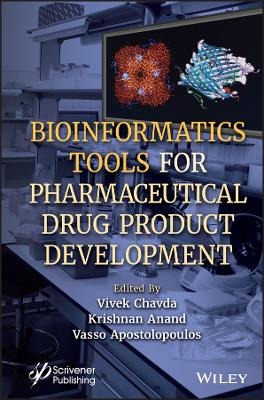
Bioinformatics tools for pharmaceutical drug product development
Presents the latest information on bioinformatics tools, artificial intelligence, machine learning, computational methods, protein interactions, peptide-based drug design, and omics technologies. And include bioinformatics tools for the pharmaceutical sector and the healthcare sector. Bioinformatics brings a new era in research to accelerate drug target and vaccine design development, improving validation approaches as well as facilitating and identifying side effects and predicting drug resistance. As such, this will aid in more successful drug candidates from discovery to clinical trials to the market, and most importantly make it a more cost-effective process overall.

Bacterial resistance to disinfectants
Bacterial resistance to disinfection is an escalating concern within healthcare facilities, as it poses a significant threat to patient safety and infection control. This research paper aims to explore the various mechanisms underlying bacterial resistance to disinfection, including intrinsic and acquired resistance, as well as the phenomenon of cross-resistance to antibiotic which poses a serious threat worldwide...
