



Page 1
Page 1

New Frontiers in Lifestyle-Related Diseases
Akiyoshi Hosoyamada, M.D., Ph.D. President, Showa University Tokyo, Japan September 2007 v Preface The leading cause of death in Western countries and some developing countries is atherosclerotic cardiovascular diseases. Among them, acute myocardial infarction is the most common type of fatal disease, caused by the progression of atherosclerosis characterized by accumulation of choles terol in vascular walls. Development of atherosclerosis is greatly enhanced by major risk factors for cardiovascular diseases such as obesity, hyperlip idemia, diabetes (hyperglycemia), and hypertension. Among those, obesity frequently initiates a metabolic change that subsequently induces hyperlip idemia, diabetes, hypertension, and eventually atherosclerotic cardiovascu lar diseases. Because obesity and its related disorders largely depend on lifestyle factors such as high calorie intake and low physical activity, a series of disorders are termed lifestyle-related diseases.

Mente e Cuore : Clinica psicologica della malattia cardiaca = Mind and heart : Psychological Clinic of Heart Disease
Recent data has shown that there is a relationship between psychological conditions and heart disease. Furthermore, psychological interventions on patients with coronary heart disease (CHD) can reduce heart risk and improve their quality of life. This volume, which is the result of collaboration with the most committed international researchers in the field of clinical psychology and health applied to heart disease, presents an updated and complete overview of scientific research in this area. The first part of the volume presents the psychological pictures and relational aspects associated with heart disease with a particular focus on personality traits. The second part illustrates the psychological interventions in cardiac rehabilitation that research has shown to be effective in reducing cardiac risk. This text can be a useful reference to the practice of doctors, psychologists and health professionals who want to understand and deepen the link between heart disease and psychological aspects.

CRP and the relation with heart disease
Cardiovascular diseases are the leading causes of mortality and morbidity in industrialized and developing countries. Many efforts have been undertaken during the last decades to identify environmental, behavioral and genetic factors modulating the risk of cardiovascular diseases.It will explain the role of CRP - an acute-phase protein- as indicator of potential cardiovascular disease as well as a predictor of the risk for heart disease and future heart attack

Coronary Heart Disease in Clinical Practice
The broad coverage of this book includes chapters on all aspects of modern coronary heart disease practice, including cardiac investigations, angina, acute myocardial infarction, heart failure, arrhythmia, lipids, hypertension and diabetes. Aspects of risk modification, including nutrition, obesity, smoking and alcohol, are also outlined. The book contains carefully selected medical questions on hot topics and each is answered at length with the aid of illustrations and tables. It also highlights and summarizes the important aspects of the numerous current international guidelines and trials.
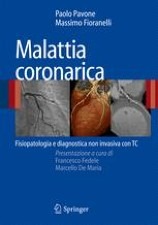
Malattia coronarica : Fisiopatologia e diagnostica non invasiva con TC = Coronary heart disease: Pathophysiology and non-invasive diagnostics with CT
The work stems from the desire to provide the cardiologist or non-imaging physician with the basis for understanding technical principles and methods of acquiring and reconstructing images. At the same time, even the radiologist who does not have specific experience in cardiac imaging will be able to acquire basic knowledge of coronary anatomy and pathophysiology.
Living with Heart Disease
The media are full of terms like angina, heart failure, coronary artery disease, thrombosis, but what do these mean to you? Gerry Coghlan and Clive Handler are experienced heart doctors who have written this book for people who have or might get coronary heart disease.
Lifestyle medicine
Contains extensive sections on the treatment and prevention of coronary heart disease,stroke, cancer, diabetes, obesity, substance abuse, dementia, and many other clinical conditions. Key lifestyle modalities such as physical activity, nutrition, weight management, sleep, stress reduction, and positive connections with other humans are supported by detailed discussion and state-of-the-art evidence. The expanded section on behavioral medicine provides an important framework for these discussions. Every chapter has been completely revised and many new topics added, such as lifestyle medicine for nursing, psychiatry, and preventive neurology.
