


Refine Results
Sort By
From
To

Adobe® Acrobat® and PDF for Architecture, Engineering, and Construction is designed to appeal to the engineering mind. The book is a practical guide focusing on the applications of PDF in the solution of "engineering" problems which may arise in a number of disciplines from architecture to construction. Using real-world examples, the authors follow a project from design through build and long-term maintenance. As the sample project evolves, suitable Acrobat® tools and techniques are identified and brought into play at each stage, showing readers how to personalize the context and processes to meet their own project development and management needs.
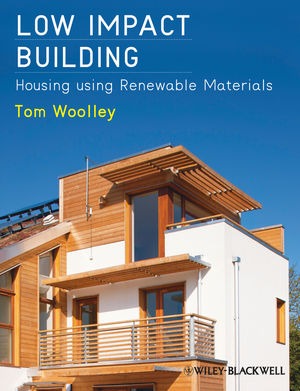
Guides to the designs, technologies and materials that really make green buildings work will help architects, specifiers and clients make informed choices, based on reliable technical information. Low Impact Building: Housing using Renewable Materials is about changing the way we build houses to reduce their 'carbon' footprint and to minimise environmental damage. One of the ways this can be done is by reducing the energy and environmental impact of the materials and resources used to construct buildings by choosing alternative products and systems. In particular, we need to recognise the potential for using natural and renewable construction materials as a way to reduce both carbon emissions but also build in a more benign and healthy way.
Examines the recent resurgence of interest in the handmade building and the use of local and renewable materials in contemporary construction. In the past, raw materials were shaped to provide shelter and to accommodate the cultural, social, and economic needs of individuals and communities. This is still true today as architects, engineers, and builders turn once again to local resources and methods, not simply for constructing buildings, but also as a strategy for supporting social engagement, sustainable development, and cultural continuity. Building from Tradition features global case studies that allow readers to understand how building practices-developed and refined by previous generations-continue to be adapted to suit a broad range of cultural and environmental contexts. The book provides: a survey of historical and technical information about geologic and plant-based materials such as: stone, earth, reed and grass, wood, and bamboo; 24 detailed case studies examining the disadvantages and benefits to using traditional materials and methods and how they are currently being integrated with contemporary construction practices
Wood is suitable for use in multi-storey building construction with barely any restrictions. This is new and requires creative rethinking of tried and tested practices in wood construction: classical categories can be replaced by mixed construction methods as necessary within a project, which yields completely new possibilities in designing wood structures. The Manual provides architects, engineers and wood specialists with the essential expertise on the new systematic and construction methodology, from the design to prefabrication to the implementation on site.
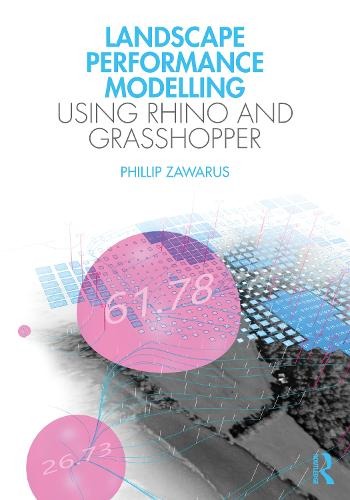
A guidebook for landscape architects to learn the fundamental practices and use of the computational software Rhino 3D and the plugin Grasshopper for parametric modeling, landscape inventory, and performative analysis. This process visually connects intangible and abstract information with physical and spatial relationships to signify the impact ecological, climate, and cultural factors have on landscape performance and decision making.
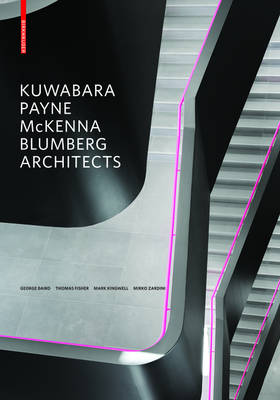
Kuwabara Payne McKenna Blumberg Architects, founded in 1987 in Toronto, is one of most innovative architectural offi ces in North America today. They have made a name for themselves both for their integrated design process embodying collaboration with experts, clients and future users as well as the diversity of their aesthetically refined and finely detailed designs. The work ranges from cultural institutions such as the Toronto International Film Festival and Orchestra Hall in Minneapolis to ecologically innovative concepts such as Manitoba Hydro Place in Winnipeg, developed with leading climate engineers Transsolar of Stuttgart.
takes an entirely new approach to teaching this essential topic for Architects, Designers and Building Engineers. Written to prepare students for the real world and packed with practical examples, the book will foster an understanding of specific issues that are critical to those features of technical systems that most directly affect design. The book stresses the ever-present nature of these systems: they are everywhere, all the time. Taking a design oriented view, it outlines what can and cannot be done, and provides the student with the know-how and confidence to defend and promote their design intent when working with other industry professionals.
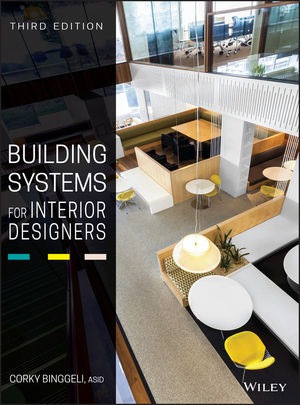
The ultimate interior designer's guide to building systems and safety Building Systems for Interior Designers, Third Edition is the single-source technical reference that every designer needs, and an ideal solution for NCIDQ exam preparation. Addresses the special concerns of the interior designer within the context of the entire design team. New coverage includes the latest information on sustainable design and energy conservation, expanded coverage of security and building control systems, and a new and expanded art program with over 250 new illustrations. Covering systems from HVAC to water to waste to lighting, this book explains technical building systems and engineering issues in a clear and accessible way to help interior designers communicate more effectively with architects, engineers, and contractors.
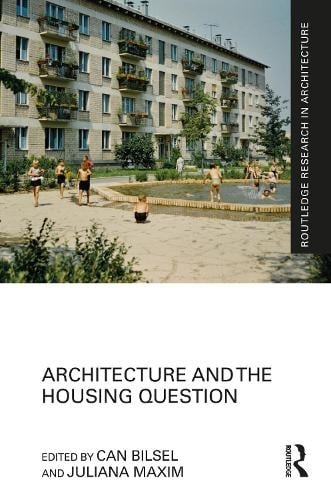
Examines how the design and provision of housing around the world have become central both to competing political projects and to the architecture profession. How have architects acting as housing experts helped alleviate or enforce class, race, and gender inequality? What are the disciplinary implications of taking on shelter for the multitude as an architectural assignment and responsibility? The book features essays in the historiography of architecture and the housing question, and a collection of historical case studies from Belgium, China, France, Ghana, the Netherlands, Kenya, the Soviet Union, Turkey, and the United States.
Architectural Colossi and the Human Body discusses the role of Platonic and Cartesian philosophy and how philosophers such as Heidegger and Merleau-Ponty, and theoreticians such as Frascari and Pallasmaa, have seen, described and analysed the human body and the role of architecture and perception. Drawing upon three key case studies and by employing theoretical ideas of Venturi and others, this book will provide an understanding of the role of anthromorphism and the relation and use of the human body with reference to selected architects and artists.
In this book 50 landscape architects from Europe, North and South America, Asia and Australia each give five responses. These include practitioners and teachers, young start-ups as well as internationally established firms. The publication illustrates the complex and dynamic nature of the discipline, and presents a diverse cross-section of the core expertise of this field. At the same time, it allows the reader to trace the individual attitudes into which geographical conditions, social contexts and political circumstances flow.
Envisioning a positive future through design 2050: Designing Our Tomorrow describes the ways in which architecture and design can engage with the key drivers of change and provide affirmative aspirations for a not-so distant future. See how architects and designers inspire global positive change Consider architecture's role in shaping cultural outlook Learn the key drivers of change for the built environment Explore the perspectives of leading experts and designers
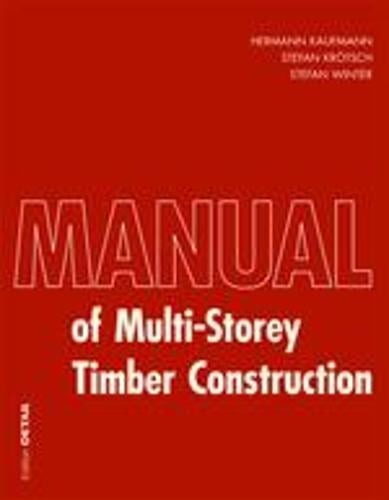
Wood is suitable for use in multi-storey building construction with barely any restrictions. This is new and requires creative rethinking of tried and tested practices in wood construction: classical categories can be replaced by mixed construction methods as necessary within a project, which yields completely new possibilities in designing wood structures. The Manual provides architects, engineers and wood specialists with the essential expertise on the new systematic and construction methodology, from the design to prefabrication to the implementation on site. It lays the grounds for mutual understanding among everyone involved in the project, to facilitate the necessary cooperation in the integral planning and construction process
Mack Scogin Merrill Elam Architects/Knowlton Hall provides a comprehensive look at this impressive new work using sketches, models, renderings, working drawings, and photographs. it is accompanied by commentaries from the architects and critics who explore both the technical and contextual elements of the work
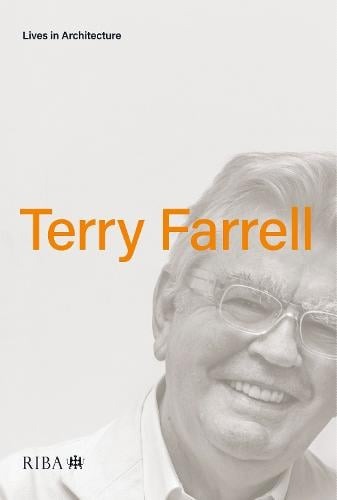
Offering a compelling personal account of his life in architecture as an influential postmodern designer, architect-planner and principal of a leading global practice, this autobiography includes anecdotes and invaluable insights into Terry’s life and work from the 1940s to the present day. An inside view of what it’s like to be an architect at the top of his profession, this book also highlights what it takes to develop a successful international practice. Offers the inside view of what it is like to be an architect at the top of his profession, including insights into the defining projects and watershed moments of Sir Terry Farrell's career Provides the inside story on some of Terry Farrell’s most significant buildings and projects, including Charing Cross Station, The MI6 Building, Alban Gate and Beijing South Railway Station. Abundantly illustrated with over 80 images, including personal photos and images of key buildings.
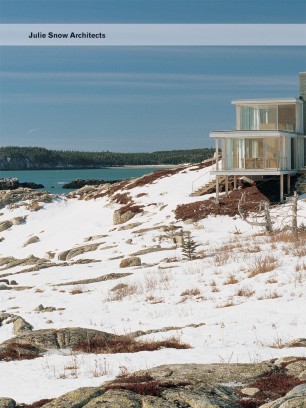
This, the first monograph on Snow's work, provides in depth documentation of 14 of her residential, institutional, corporate, and public projects, including the Koehler Residence in New Brunswick, Canada, a series of Minneapolis Light Rail Stations, the Minnesota Children's Museum, and the University of South Dakota School of Business.
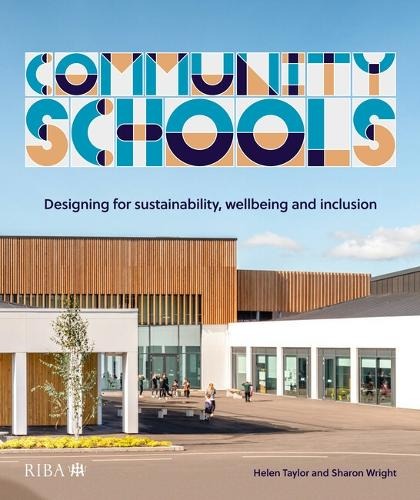
Reconsiders what is required from physical school environments, building on the learning gathered from the sector over the past two decades. To meet the new social, environmental and economic challenges it advocates designing differently, both in terms of the form that buildings take and the evaluation of their impact and performance. By calling for a reframing of the way that schools are regarded as community-wide amenities, this book explores the potential for architects to deliver design in a manner that supports healthy lifestyles and promotes wellbeing. Through encouraging social connections, new possibilities open up for educational facilities to become open, welcoming and inclusive. Featuring: Over 12 international case studies from practices including: Architype, Argyll + Bute, Bogle Architects, DRMM, Revaerk, Scott Brownrigg and XDGA. Key themes of wellbeing, connectivity, inclusion, indicators and evaluation. Practical guidance and learning points throughout. A new design brief for community schools
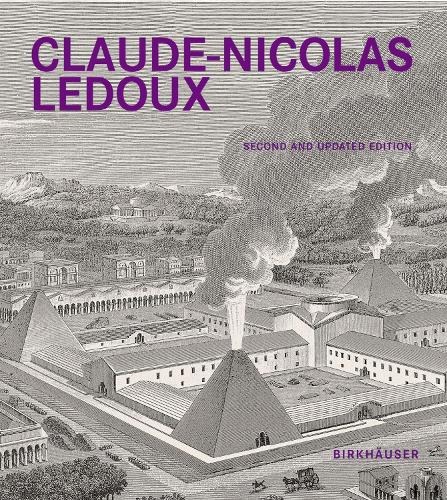
Claude-Nicolas Ledoux (1736-1806) is today regarded as chief representative of French revolutionary architecture. With his extraordinary inventiveness he projected the architectural ideals of his era. Ledoux's influential buildings and projects are presented and interpreted both aesthetically and historically in this book. His best-known projects - the Royal Saltwords of Arc-et-Senans, the tollgates of Paris, the ideal city of Chaux - reveal the architect's allegiance to the principles of antiquity and Renaissance but also illustrate the evolution of his own utopian language. With the French Revolution, Ledoux ceased building as his contemporaries perceived him as a royal architect. He focused on the development of his architectural theory and redefined the vision of the modern architect
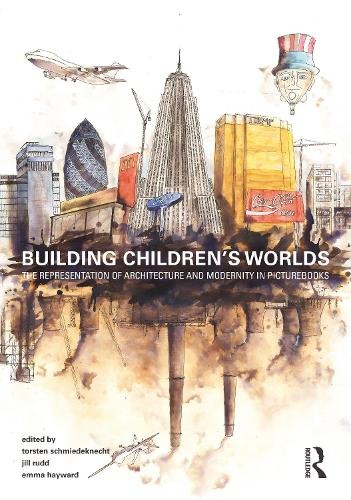
Children are the future architects, clients and users of our buildings. The kinds of architectural worlds they are exposed to in picturebooks during their formative years may be assumed to influence how they regard such architecture as adults. Contemporary urban environments the world over represent the various stages of modernism in architecture. This book reads that history through picturebooks and considers the kinds of national identities and histories they construct. Reveals what stories are told about modern architecture and shows how those stories affect future attitudes towards and expectations of the built environment.
Provides the readers with a timely guide to the application of biomimetic principles in architecture and engineering design. As a result of a combined effort by two internationally recognized authorities, the biologist Werner Nachtigall and the architect Göran Pohl, the book describes the principles which can be used to compare nature and technology, and at the same time it presents detailed explanations and examples showing how biology can be used as a source of inspiration and “translated” in building and architectural solutions (biomimicry). Even though nature cannot be directly copied, the living world can provide architects and engineers with a wealth of analogues and inspirations for their own creative designs. But how can analysis of natural entities give rise to advanced and sustainable design? By reporting on the latest bionic design methods and using extensive artwork, the book guides readers through the field of nature-inspired architecture, offering an extraordinary resource for professional architects, engineers, designers and urban planners, as well as for university teachers, researchers and students.

Daraa Highway - Ghabagheb - Syria
+963-15 2050 - 15 860 380 /1/2/3 - 11 662 3900