


Refine Results
Sort By
From
To

Examines the complex interactions associated with clinical toxicological events as a result of therapeutic drug administration or chemical exposure. Special emphasis is placed on signs and symptoms of diseases and pathology caused by toxins and clinical drugs. Includes the source, pharmacological and toxicological mechanism of action, detection and identification in body fluids, and treatment of exposure. An overview of protocols for managing various toxic ingestions, and the antidotes and treatments associated with their pathology, are discussed. In addition, effect of toxins on a limited number of body systems and drug-induced adverse drug reactions are also covered
Microbes produce an extraordinary array of defense systems. These include bacteriocins, a class of antimicrobial molecules with narrow killing spectra, produced by bacteria. The book describes the diversity and ecological role of bacteriocins of Gram-positive and Gram-negative bacteria, presenting a new classification scheme for the former and a state-of-the-art look at the role of bacteriocins in bacterial communication. It discusses the molecular evolution of colicins and colicin-like bacteriocins, and provides a contemporary overview of archaeocins, bacteriocin-like antimicrobials produced by archaebacteria. Furthermore, various modeling (in silico) studies elucidate the role of bacteriocins in microbial community dynamics and fitness, delving into rock-paper-scissors competition and the counter-intuitive survival of the weakest. The book makes compelling reading for a multi-faceted scientific audience, including those working in the fields of biodiversity and biotechnology, notably in the human and animal health domain.

Cover techniques used to study secretion systems. Chapters focus on identifying and localizing the different subunits, defining interactions within subunits, monitoring conformational changes, purifying and imaging of large complexes, defining the assembly pathway by fluorescence microscopy and the role of energy during assembly and/or secretion, identifying secreted effectors as well as using reporters to follow effector transport. Written in the highly

In Asymmetric Organo-Metal Catalysis: Concepts, Principles, and Applications, accomplished chemist Liu-Zhu Gong delivers a comprehensive discussion of how to design efficient organo/metal combined catalyst systems, new cooperatively catalyzed asymmetric reactions, relay catalytic cascades, and multicomponent reactions. The distinguished author covers critical topics, like the combined catalysis of chiral phase transfer catalysts, enamine, iminium, nucleophilic Lewis base, or Bronsted acids with metal complexes, while also covering the cooperative catalysis of photocatalysts and organocatalysts.
Nanomedicine is evolving with novel drug formulations devised for multifunctional approaches towards diagnostics ad therapeutics. Nanomedicine-based drug therapy is normally explored at a fixed dose. The drug action is time-dependent, dose-dependent and patient-specific. To overcome challenges of nanomedicine testing, artificial intelligence (AI) serves as a helping tool for optimizing the drug and dose parameters. Real time conversions between these two features enables upgradation of patient data acquisition and improved design of nanomaterials. In this scenario, AI-based pattern analysis and algorithms models can greatly improve accuracy of diagnostics and therapeutics.
Despite their enormous bulk and complexity of architecture, plants make up only around a quarter of a million of the 8 million or so species on Earth. The major components of biodiversity, instead, are the smaller, largely unseen, silent majority of invertebrates – most of which are arthropods. Vertebrates, a mere blip on the biotic horizon, are elevated in importance in the bigger scheme of things only by the human psyche. This collection of more than 30 peer-reviewed papers focuses on the diversity and conservation of arthropods, whose species inhabit virtually every recess and plane – and feature somewhere in virtually every food web – on the planet. Highlighting issues ranging from large-scale disturbance to local management, and from spatial heterogeneity to temporal patterns, these papers reflect some of the most exciting new research taking place today – and in some of the most biodiverse corners of the planet.

Sand dune dynamics plays a key role in many arid deserts. This volume provides a synthesis of a specific sand dune ecosystem, the Nizzana site in the Negev Desert. Describing its climate and geophysical/geochemical properties of soils, geological history, flora and fauna, and past/present land-use patterns, it elucidates ecological and geomorphological processes and their interrelations, based on long-term monitoring, in situ experiments and satellite imagery. Particular attention is drawn to the impact of the topsoil biological crust in controlling water availability at local/regional scales. The interdisciplinary approach adopted in this case study offers a good example of a highly complex and dynamic system, which could easily be applied to other sandy ecosystems.
The present book comprises a unique collection of primary research papers spanning a wide range of topics in aquatic biodiversity studies, and including a first global assessment of specific diversity of freshwater animals. The book also presents a section on the interaction between scientists and science policy managers

This book, written by world experts in aquaponics and related technologies, provides the authoritative and comprehensive overview of the key aquaculture and hydroponic and other integrated systems, socio-economic and environmental aspects. Aquaponic systems, which combine aquaculture and vegetable food production offer alternative technology solutions for a world that is increasingly under stress through population growth, urbanisation, water shortages, land and soil degradation, environmental pollution, world hunger and climate change.
This book provides a scientific forecast of the development in aquaculture with a focus on the environmental, technological, social and economic constraints that need to be resolved to ensure sustainable development of the industry and allow the industry to be able to feed healthy seafood products to the future generations. The chapters included discuss the most critical bottlenecks of the development encompassing subjects of understanding the environmental impacts, the current state-of-art in monitoring programs and in coastal zone management, the important interactions between wild and cultured organisms including release of non-native species into the wild, the current trends within the development of aquafeeds along with human health aspects as well as the political, socio-economic and economic trends within the industry including a chapter on approaches taken by Non Governmental Organisations (NGOs) to aquaculture. Finally the last chapter provides different future scenarios of the industry based on the identified bottlenecks.

Applied Spatial Data Analysis with R is divided into two basic parts, the first presenting R packages, functions, classes and methods for handling spatial data, The second part showcases more specialised kinds of spatial data analysis, including spatial point pattern analysis, interpolation and geostatistics, areal data analysis and disease mapping.
Presents complete coverage of the application of nanotechnology in the discovery of new drugs and efficient target delivery of drugs. The book highlights recent advances of nanotechnology applications in the biomedical sciences, starting with chapters that provide the basics of nanotechnology, nanoparticles and nanocarriers. Part II deals with the application of nanotechnology in drug discovery, with an emphasis on enhanced delivery of pharmaceutical products, with Part III discussing toxicological and safety issues arising from the use of nanomaterials
This volume gathers a variety of models, delivery systems, and approaches that can be used to assess RNA technology for exploiting antisense as a therapeutic intervention. Beginning with a section on the design of antisense technology and their delivery, the book continues by covering model systems developed to evaluate efficacy, both in vivo and in vitro, as well as methods to evaluate preclinically the toxicity associated with these new potential drugs, and intellectual property considerations. Written for the highly successful Methods in Molecular Biology series, chapters include introductions to their respective topics, lists of the necessary materials and reagents, step-by-step, readily reproducible laboratory protocols, and tips on troubleshooting and avoiding known pitfalls.
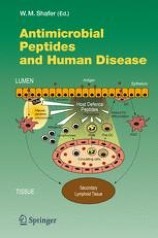
Microbes are in our midst soon after birth. Thankfully, the number of harmless (and often beneficial) microbes far outnumber those that would do us harm. Our ability to ward-off pathogens in our environment, including those that can colonize our exterior and/or interior surfaces, depends on the integrative action of the innate and adaptive immunity systems. This volume of CTMI, entitled Antimicrobial Peptides and Human Disease, is dedicated to the role of antimicrobial peptides (AMPs) in the innate host defense system of homo sapiens.
Diabetes is a chronic condition associated with metabolic disorder. Persons suffering from diabetes have shown accelerated levels of blood sugar which often harms the heart, blood vessels, eyes, kidneys, and nerves. Over the past few decades, the prevalence of diabetes has been progressively increasing. Synthetic drugs are used to treat diabetic patients to help control the disorder, but it is shown that numerous medicinal plants and herbal drugs are widely used in several traditional systems of medicine to prevent and treat diabetes. They are reported to produce beneficial effects in combating diabetes and alleviating diabetes-related complications. These plants contain phtyonutrients and phytoconstituents demonstrating protective or disease preventive properties. In many developing countries, herbal drugs are recommended by traditional practitioners for diabetes treatment because the use of synthetic drugs is not affordable.

This volume provides an overview of climate change data, its effects on the structure and functioning of Antarctic ecosystems, and the occurrence and cycling of persistent contaminants. It discusses the unique physico-chemical characteristics of the Antarctic environment, ecophysiological adaptations of terrestrial and marine organisms, the transfer of contaminants in pelagic and neritic food chains and the possible consequences for animals at higher trophic levels.
This book provides a logical introduction to the limits for enzyme function as dictated by the factors that are limits for life. This book presents a complete description of all the mechanisms used for changing enzyme acticity. Eight enzymes are used as model systems after extensive study of their mechanisms. Wherever possible, the human form of the enzyme is used to illustrate the regulatory features.
This book provides the reader relevant information about actual knowledge about the process of allelopathy, covering all aspects from the molecular to the ecological level. Special relevance is given to the physiological and ecophysiological aspects of allelopathy. Several ecosystems are studied and methodological considerations are taken into account in several different chapters. The book has been written to be useful both for Ph.D. students and for senior researchers, so the chapters include all necessary information to be read by beginners, but they also include a lot of useful information and discussion for the initiated.
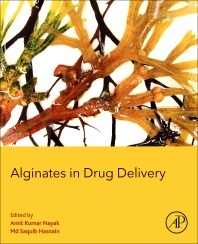
Alginates in Drug Delivery explores the vital precepts, basic and fundamental aspects of alginates in pharmaceutical sciences, biopharmacology, and in the biotechnology industry. The use of natural polymers in healthcare applications over synthetic polymers is becoming more prevalent due to natural polymers’ biocompatibility, biodegradability, economic extraction and ready availability. To fully utilize and harness the potential of alginates, this book presents a thorough understanding of the synthesis, purification, and characterization of alginates and their derivative. This book collects, in a single volume, all relevant information on alginates in health care, including recent advances in the field.

This volume contains the lectures and seminars given at the NATO Advanced Study Institute on “Sensor Systems for Biological Threads: The Algal Toxins Case”, held in Pisa, Italy in October, 2007. Algae can form heavy growths in ponds, lakes, reservoirs and sl- moving rivers throughout the world; algae can house toxins which are - ually released into water when the cells rupture or die. Hundreds of toxins have been identified so far. Detection methods, including rapid screening, have been developed to help us learning more about them, especially to find out which toxins are a real threat for people and what conditions encourage their production and accumulation. Early detection of algal toxins is an - portant aspect for public safety and natural environment, and significant efforts are underway to develop effective and reliable tools that can be used for this purpose.

Daraa Highway - Ghabagheb - Syria
+963-15 2050 - 15 860 380 /1/2/3 - 11 662 3900