


Refine Results
Sort By
From
To

The volume offers a synthetic and updated picture of a complex topic that includes the multifactorial etiopathogenesis of cervical cancer, the characteristics of the virus, the dynamics of HPV infections, the histological lesions of the cervix leading to cervical cancer. and the characteristics of the various surgical treatments, the current strategies for early diagnosis through the use of molecular assays currently on the market, up to the trials of the two vaccines recently registered also in Italy.
Cancer Grading Manual addresses all histopathologic aspects of tumor pathology essential for grading of tumors. It discusses the history and basic tenets of tumor grading; principles of microscopic grading of tumors; ancillary methods currently used to improve tumor grading; and new techniques used in evaluating tumors and formulating prognosis. It is designed to be a practice-oriented, concise and well-illustrated resource for diagnostic surgical pathologists and pathology residents.
This book takes stock of the needs, expectations and challenges of caring for a cancer patient at home or in hospital. Indeed, if the number of cancer cases is increasing in Western countries, their management is evolving. The emphasis today is on a more humane announcement of the disease, less aggressive treatments and a better quality of life. Better informed patients often wish to be treated at home. As the survival time lengthens, hospital stays are reduced and chosen. Home care teams will soon be relying on the hospital more easily, thanks to specific communication methods and care networks. Here, all the stakeholders involved in the psycho-oncological approach to the patient discuss the choice of place and means of treatment for patients: from the general practitioner to the psychologist, from the oncologist to the mobile palliative care unit.
Testicular cancer has benefited from important therapeutic advances radically transforming its prognosis. Recent protocols have led to the development of treatments that maintain therapeutic efficacy while favoring quality of life and minimizing the sequelae (such as fertility disorders) in these often young men. This book discusses the various technical advances both in the field of diagnosis - with the contribution of modern imaging and anatomopathology - and therapy. The place of chemotherapy as well as that of surgery are largely detailed, thus placing the urologist at the heart of the multidisciplinary team taking care of these patients. Quality of life is also discussed by taking into account the impact of the treatment of these tumors on the fertility of these young patients.
These days are an opportunity to remind and persuade those less convinced that the treatment of this very particular phase of the disease is not limited to a score played by a few speakers or even by medical oncologists alone; but on the contrary, we must bring into play a truly philharmonic polyphonic ensemble, united around the patient and comprising all the players in multidisciplinary care: general practitioner, surgeon, radiotherapist, imaging specialist, gynecologist, general practitioner, psychologist, algologist, supportive care workers ...
Updates knowledge on recent advances in computational and bioinformatics tools/techniques and their practical applications in modern drug design and discovery programme. Also it encompasses fundamental principles, advanced methodologies and applications of various CADD approaches including several cutting-edge areas / presenting recent developments covering ongoing trends in the field of computer-aided drug discovery. Having contributions by a global team of experts, the book is expected to be an ideal resource for drug discovery scientists, medicinal chemists, pharmacologists, toxicologists, phytochemists, biochemists, biologists, RandD personnel, researchers, students, teachers and those working in the field of drug discovery. It will fill the knowledge gaps that exist in the current CADD approaches and methodologies/ protocols being widely used in both academic and research practices. Further, a special focus on current status of various computational drug design approaches (SBDD, LBDD, De-novo drug design, Pharmacophore-based search), bioinformatics tools and databases, computational screening and modeling of phytochemicals/natural products, artificial intelligence and machine learning, and network pharmacology and system biology would certainly guide researchers, students or readers to conduct their research in the emerging area(s) of interest. It is also expected to be highly beneficial to different stakeholders working in the pharmaceutical and biotechnology industries (RandD), the academic as well as research sectors. .
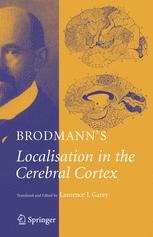
It is one of the major "classics" of the neurological world. Even today it forms the basis for so-called "localisation" of function in the cerebral cortex. Brodmann's "areas" are still used to designate functional regions in the cortex, the part of the brain that brings the world that surrounds us into consciousness, and which governs our responses to the world. For example, we use "area 4" for the "motor" cortex, with which we control our muscles, "area 17" for "visual" cortex, with which we see, and so on. This nomenclature is used by neurologists and neurosurgeons in the human context, as well as by experimentalists in various animals. Indeed, Brodmann's famous "maps" of the cerebral cortex of humans, monkeys and other mammals must be among the most commonly reproduced figures in neurobiological publishing. The most famous of all is that of the human brain. There can be few textbooks of neurology, neurophysiology or neuroanatomy in which Brodmann is not cited, and his concepts pervade most research publications on systematic neurobiology.

Contemporary research on genetic control of disease-transmitting insects knows two kinds of scientists: those that work in the laboratory and those known as ‘field people’. Over the last decade, both groups seem to have developed differing research priorities, address fundamentally different aspects within the overall discipline of infectious-disease control, and worse, have developed a scientific ‘language’ that is no longer understood by the ‘other’ party. This gap widens every day, between the North and the South, between ecologists and molecular biologists, geneticists and behaviourists, etc. The need to develop a common research agenda that bridges this gap has been identified as a top priority by all parties involved. Only then shall the goal of developing appropriate genetic-control strategies for vectors of disease become reality.
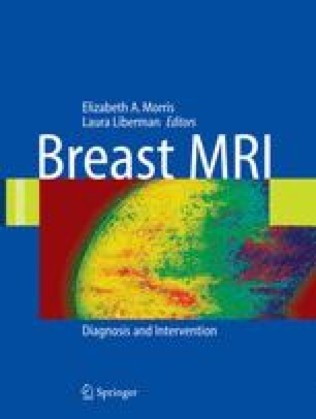
This superbly illustrated practical guide is an excellent resource on all aspects of breast MRI for practicing radiologists, oncologists, and surgeons, as well as residents and fellows. Drs. Elizabeth Morris and Laura Liberman, two experts in the field from the Memorial Sloan-Kettering Cancer Center, have collaborated with colleagues from their institution and selected medical centers to share their expertise. Introductory chapters are devoted to diagnosis and cover the basics of performing breast MRI exams, setting up a breast MRI program, and understanding clinical indications. Additional chapters discuss breast interventional procedures including MRI-guided needle localization, MRI-guided biopsy, and percutaneous ablation of breast cancer; MRI of breast implants.

Brain metastases are the most dreaded complication of systemic cancer, affecting approximately 170,000 people a year, a far greater incidence than primary brain tumors. Advances in modern chemotherapy have led to an improved control of system cancers, often with agents that poorly penetrate the central nervous system, resulting in an increasing incidence of brain metastases. Traditional chemotherapy has had little impact on brain metastases. The main therapeutic option is radiation therapy, and in a small number of patients - surgery. However, refinements in all of these treatments offer some positive outcomes and an increased ability to stratify patients based on certain criteria.
This is an excellent resource for learning how to inject Botox. Even if you are a seasoned injector, I am sure you will discover tips to improve your technique. … The audience includes any physicians who use Botox in their practice. The book specifically focuses on cosmetic use of Botox, so plastic surgeons and dermatologists would be the majority of physicians interested in reading it.
Radiologic technologists, nurse practitioners, physician assistants, and dedicated densitometry technologists can find new guidelines for bone density testing, new therapies for osteoporosis, and new treatment guidelines for osteoporosis, as well as new chapters on pediatric densitometry body composition assessments, and the use of skeletal morphometry in diagnosis and fracture risk prediction. The twelve appendices have also been updated to reflect the most current information available, including contacts for densitometry equipment manufacturers and organizations, guidelines for bone density testing and CPT codes, definitions of terms, and new conversion equations.

The book covers notions by scientists of various branches on the evolutionary relationship between the biosphere and geosphere, evolution features at various levels of living matter organization, and problems of prebiotic evolution and life origin. The data were collected in the course of the RAS program "Biosphere origin and evolution" (subprogram II) in 2003–2006. The objectives of this subprogram were (1) generalization of data related to problems of biosphere origin and evolution accumulated by geneticists, molecular biologists, zoologists, botanists, paleontologists, microbiologists, geologists, chemists, and archaeologists; (2) search for new interdisciplinary approaches to biosphere origin and evolution; (3) development of a "lingua franca" understandable by experts in various fields, which would allow apprehension of results concerning the topic obtained in allied sciences

"The volume is well illustrated and certainly realizes the primary aim of "The Mycota", namely to highlight developments in both basic and applied research into fungal systems." (Microbiology Today) "The Editors´ aim 'to provide a selected sampling of contemporary topics at the forefront of fungal cell biology' has certainly been achieved. Indeed, it is hard to imagine any mycologist not finding something fascinating in each of the chapters. ... Further, the volume is packed with material that will be extremely useful for those presenting basic courses in mycology - especially because of the many fine explanatory line drawings." (Mycological Research)

Man’s recent colonization of New Zealand has dramatically altered the resident biota and resulted in the introduction of numerous alien organisms to these once remote islands. In reverse, there is increasing evidence of a lesser known export of species to other regions of the world. This volume presents an in-depth review of the level and rate of such invasions, and investigates what controls the success of invaders and the consequences for ecosystems both on land and offshore. It provides invasion biologists everywhere with tests of current theories about those factors leading to the success of invaders as well as evaluating principles for understanding the nature of their impacts that form a solid basis for the effective management of biological invasions worldwide.
he most conspicuous biological invasions in terrestrial ecosystems have been by exotic plants, insects and vertebrates. Less conspicuous but possibly of equal importance are invasions by soil invertebrates, which are occurring literally beneath our feet. Familiar examples include the South American fire ant (Solenopsis invicta) which has invaded North America and Australia, and the New Zealand flatworm (Arthurdendyus triangulatus) which has become wide-spread in the United Kingdom; both have caused considerable ecological and economic damage. There is now evidence that exotic earthworm invasions are increasing world-wide and may be having significant impacts on soil processes and plant communities in some regions. Much remains to be learned about these ‘cryptic’ biological invasions. The papers in this book are based on efforts by an international group of soil ecologists to assess the biological and ecological mechanisms of earthworm invasions, their geographic extent and impacts on terrestrial ecosystems, and possible means by which earthworm invasions might be mitigated.

This book provides students and researchers in the life sciences with essential practical information on how to quantitatively analyze data images. It refrains from focusing on theory, and instead uses practical examples and step-by step protocols to familiarize readers with the most commonly used image processing and analysis platforms such as ImageJ, MatLab and Python.

The book includes 22 chapters by 28 authors united by the single theme: biogeography and ecology of Bulgaria. From the single-celled organisms in the Black Sea sand to the endemic cave crustaceans, from the mountain glacial relict insects to the most diverse bird fauna in Europe, the unique fauna of Bulgaria has been a subject of study of mostly Bulgarian zoologists for more than a century. This is the first monograph in English broadly addressing all vertebrate and many key invertebrate groups of Bulgaria, their faunistics, origin, geographical and ecological distribution, and conservation issues are addressed by the experts on each group.

The idea for Bioethics in Law began more than a decade ago, while I was studying social science and law. I was parti- larly interested in the collaborations that comprised social s- ence in law. Economic and social data in the pioneering Brandeis brief had been used to defend an early 20th-century labor law; surveys of consumer confusion had helped resolve trademark - fringement cases; psychologists’ predictions of future violence had informed capital sentencing decisions. Additionally, Kenneth Clark’s “doll studies,” cited by the Supreme Court in Brown v. Board of Education, had helped change the course of American 1 history.
This book is the first complete biography of one of the founders of fishery science, William Edwin (Bill) Ricker (1908 - 2001). Bill is immortalized in the Ricker Curve. He developed the Curve in his studies of stock and recruitment in fisheries, but it has been widely applied in many areas of science. Bill is best known for his contributions to fishery science, but he was also internationally recognized as an entomologist and a scientific editor. This book combines Bill’s own recollections with contributions from those who knew him and worked with him as a colleague during his multifaceted career. In an article written shortly before his death, Bill gives his own account of his career and intellectual development.

Daraa Highway - Ghabagheb - Syria
+963-15 2050 - 15 860 380 /1/2/3 - 11 662 3900