


Refine Results
Sort By
From
To

Management of Acute Pulmonary Embolism highlights traditional, novel, and evolving aspects of the diagnosis and treatment of pulmonary embolism (PE). Emphasis is placed on specific issues related to PE, including pregnancy, cancer, thrombophilia, and air travel. The authors critically review and interpret available data, and provide clear recommendations for diagnosis and therapeutic concerns in clinical management of PE patients. Management of Acute Pulmonary Embolism is organized in three precise sections - diagnosis, treatment, and special topics. Each section is up-to-date and detailed, and provides clear recommendations for diagnostic and therapeutic approaches to patients with PE in clinical practice. This practical volume is an essential starting point for future study for both medical students and established investigators.
Male Sexual Function: A Guide to Clinical Management, Second Edition, completely updates and reviews newer developments, including linking erectile dysfunction (ED) with lower urinary tract systems, advances in erectile physiology, and the appreciation of ED as a form of endothelial dysfunction and a harbinger of other potentially lethal forms of vascular disease. Treatments of ED as well as the background, causes, associated conditions, and diagnostic tools are also provided. This new updated edition also presents the facts of sexual function and dysfunction so that the practitioner can properly treat basic problems with easily prescribed therapies. Also included is a new chapter on cardiovascular disease as well as chapters on pelvic surgeries, intracavernous injections with vasoactive agents, and vacuum erection devices.
The work stems from the desire to provide the cardiologist or non-imaging physician with the basis for understanding technical principles and methods of acquiring and reconstructing images. At the same time, even the radiologist who does not have specific experience in cardiac imaging will be able to acquire basic knowledge of coronary anatomy and pathophysiology.
The book has been extensively revised and expanded to do justice to the rapid advances in MR technology, molecular biochemistry, and genetics and the discovery of new disease entities with prominent white matter involvement. Forty chapters have been added, and the number of illustrations has risen considerably. The ability to confirm the presence of genetic alterations in a number of disorders allows more advantageous presentation of the phenotypic variation as expressed in differ.
The advent of contrast-enhanced MRA in the early to mid 1990s revolutionized the clinical approach to vascular imaging: an accurate non-invasive imaging modality, not requiring ionizing radiation or potentially nephrotoxic iodinated contrast media, was able to compete with the more hazardous and invasive catheter angiography. Today, MRA is a safe, easy-to-perform procedure routinely used in most imaging centers, and the continued development of faster, more powerful magnets and more effective contrast agents is increasingly helping to overcome many of the early limitations of the technique.
Explores the application of machine learning to the understanding, early diagnosis, and management of neurodegenerative disorders. With a specific focus on its role in ongoing clinical trials, the book covers essential topics such as data collection, pre-processing, feature extraction, model development, and validation techniques. It delves into the applications of neuroimaging techniques like magnetic resonance imaging (MRI), computed tomography (CT), and positron emission tomography (PET) in the diagnosis and understanding of neurodegenerative disorders. Additionally, the book examines various machine-learning algorithms employed for biomarker discovery in neurodegenerative disorders. It highlights the role of neuroinformatics and big data analysis in advancing the understanding and management of neurodegenerative disorders. Furthermore, the book reviews future prospects and presents the ethical considerations and regulatory challenges associated with implementing machine learning approaches in the diagnosis, treatment, and prevention of neurodegenerative disorders.
This book summarizes the current state-of-the art knowledge about this unique organelle. It addresses the biogenesis of this compartment, the transport of lysosomal proteins, the role of the lysosomal membrane in lysosomal stability and transport, the function of lysosomal proteases and hydrolases, lysosomal storage disorders, and new concepts on how to treat these diseases.
This book is dedicated to patients affected by Lysosomal Storage Disorders, and especially to the National Gaucher Foundation (USA) and the Colombian Association of Patients with Lysosomal Storage Diseases (ACOPEL for its Spanish Acronym). Both organizations will share in the sales of this book.
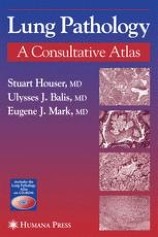
Learning the diagnostic elements of lung pathology requires not only great familiarity with a wide diversity of cases, but also a sharp eye for analyzing pictorial images. In Lung Pathology: A Consultative Atlas, leading experts offer a novel and substantive approach to the teaching of pulmonary pathology. Drawing on 263 challenging, yet exemplary, referral cases taken from files collected over 20 years by internationally renowned lung pathologist, Dr. Eugene Mark, the authors introduce his state-of-the-art approach to the interpretation of pulmonary pathology. This text includes the primary and/or differential diagnosis and the pertinent histological features of each case, as well as clinical history, when available. Key words or phrases in the text are highlighted and digitally hyperlinked to associated images or regions of interest within those images to assist the readers in their correlation. Novel and user friendly, Lung Pathology: A Consultative Atlas describes a cutting-edge diagnostic approach to pulmonary pathology, describing its principles and demonstrating its application in text and full-color illustrations drawn from 263 difficult cases of human lung pathologies.
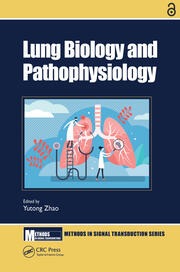
The lungs are the organ for gas exchange between the body and the external environment. Dysfunction of upper airway epithelium and smooth muscle cells leads to pathogenesis of asthma, chronic obstructive pulmonary disease (COPD), cystic fibrosis, and other conditions, resulting in airway inflammation and narrowing. Injury to alveolar epithelium and endothelium causes influx of neutrophil and protein-rich fluid from circulation, resulting in edema and disruption of gas exchange. In addition to lung structural cells, immune cells, including alveolar macrophages and lymphocytes play critical roles in the maintenance of lung function. This book contributes to the understanding homeostasis of lung cells in the physiological and pathological conditions critical to the development of novel therapeutics.

All over the world, sustainable river basin management is a leading principle of policy plans and legal instruments for water management (e.g. the European Water Framework Directive). The evidence, however, to underpin the full scope of sustainability is rather scanty. In this book an integrative perspective on trends and challenges in river science and management is demonstrated. The three pillars underneath sustainable water management, ecology, economy and sociology, are elaborated by experts in their fields. A number of papers integrate the current knowledge on the structure, functioning and management of ‘living rivers’. The book includes data and experiences concerning the rivers Allier, Meuse, Rhine, Sava and Tagliamento in Europe and the river Illinois in the USA. Sustainable river basin management asks for un-orthodox rehabilitation programmes and ecosystem based and transboundary management approaches.
parasitic and viral infections of the liver, autoimmune liver disease, alcoholic and nonalcoholic fatty liver diseases, and transplantation in an easy-to-read and thorough format. Authors also address the key issues that have arisen in this field in recent years, including physiological roles of hepatocytes, sinusoidal lining cells, activated macrophages (Kupffer cells), cholangiocytes and stellate cells, and their modulation of T cells, natural killer (NK) cells and NKT cells.
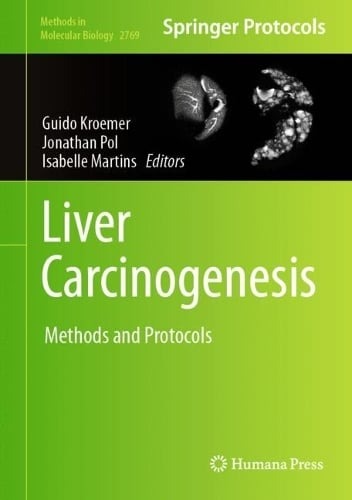
Discusses the latest advancements in modern methodologies used to study liver carcinogenesis. The first half of this book describes pertinent preclinical models of hepatocellular carcinoma (HCC) and cholangiocarcinoma (CCA), established either through orthotopic induction of ectopic implantation. The second half of this book covers a diverse array of techniques applied to characterize the biochemical and cellular composition of hepatic malignancies that operate at the single-cell and histological levels. Written in the highly successful Methods in Molecular Biology series format, chapters include introductions to their respective topics, lists of the necessary materials and reagents, step-by-step, readily reproducible laboratory protocols, and tips on troubleshooting and avoiding known pitfalls.
New therapeutical approaches, advances in oncology and in diagnostic imaging, which reduce the need for invasive techniques and reach an improvement in survival and quality of life in cancer, are considered in this book. Modern literature has been reviewed with special reference to articles of general interest. In the clinical management of patients with liver, bile duct and pancreas diseases, it is important to assess the degree of disturbance and to diagnose the causative insult, and therefore clinical and laboratory methods of assessing each of these pathologies are of high interest. This version is an up-to-date account of diseases of the liver, biliary tract and pancreas, including transplantation, which we trust will be of value for surgeons, physicians and pathologists and also a reference book for medical students.
Lipids are functionally versatile molecules. They have evolved from relatively simple hydrocarbons that serve as depot storages of metabolites and barriers to the permeation of solutes into complex compounds that perform a variety of signalling functions in higher organisms. This volume is devoted to the polar lipids and their constituents. We have omitted the neutral lipids like fats and oils because their function is generally to act as deposits of metabolizable substrates. The sterols are also outside the scope of the present volume and the reader is referred to volume 28 of this series which is the subject of cholesterol. The polar lipids are comprised of fatty acids attached to either glycerol or sphingosine. The fatty acids themselves constitute an important reservoir of substrates for conversion into families of signalling and modulating molecules including the eicosanoids amongst which are the prostaglandins, thromboxanes and leucotrienes. The way fatty acid metabolism is regulated in the liver and how fatty acids are desaturated are subjects considered in the first part of this volume. This section also deals with the modulation of protein function and inflammation by unsaturated fatty acids and their derivatives. New insights into the role of fatty acid synthesis and eicosenoid function in tumour progression and metastasis are presented.

Recognizes the critical roles of disturbance ecology, landscape ecology, ecological assembly, invasion biology, ecosystem health, and historical ecology in habitat restoration and argues that restoration within a successional context will best utilize the lessons from each of these disciplines.
Contains extensive sections on the treatment and prevention of coronary heart disease,stroke, cancer, diabetes, obesity, substance abuse, dementia, and many other clinical conditions. Key lifestyle modalities such as physical activity, nutrition, weight management, sleep, stress reduction, and positive connections with other humans are supported by detailed discussion and state-of-the-art evidence. The expanded section on behavioral medicine provides an important framework for these discussions. Every chapter has been completely revised and many new topics added, such as lifestyle medicine for nursing, psychiatry, and preventive neurology.
The only book devoted exclusively to this specialty, Lessons Learned details the risk management issues involved in genetic counseling practice, and offers solid strategies for minimizing the risk of costly, career-damaging malpractice suits. Schmerler clearly identifies areas of practitioner liability and demonstrates how they may be averted, so counselors can better manage their practice while lowering the risk of legal action. Examples drawn from relevant court cases illustrate typical issues in malpractice, negligence, and breach of contract suits. With this in-depth knowledge, readers can refine their goals toward increased self-protection as well as client care.
The hemodynamic monitoring of intensive care patients is undergoing major changes. Technological advances such as computerization and miniaturization have made it possible to considerably expand the range of assessment tools available at the bedside. Thus, the approach to cardiovascular monitoring - which was once readily "invasive" and global - is gradually becoming non-invasive and locoregional or even tissue. At the same time, the combined evolution of technology and physiological and pathophysiological concepts now provides the clinician with access to a variety of "functional hemodynamic monitoring". The aim of this book is to provide a better understanding of the interest and the limits of the hemodynamic parameters accessible by current hemodynamic monitoring techniques. It thus aims to ensure that the use of these techniques is perfectly mastered by resuscitators and anesthetists-resuscitators so that patient care is ultimately optimal.

This book thus proposes, reconnecting with the most clinical and frankly psychodynamic vein, to bear witness to the encounter with the reality of cancerous disease and with all the imagination that it arouses. It is also a tribute to the sick - but just as much to their loved ones and their caregivers - who then engage in these territories of the crash, the unpredictable, where everything leads to think and do.

Daraa Highway - Ghabagheb - Syria
+963-15 2050 - 15 860 380 /1/2/3 - 11 662 3900