


Refine Results
Sort By
From
To

Cerebral palsy is a lifelong condition that affects the individual, family, and immediate community. Therefore, the goal of allowing the individual with cerebral palsy to live life with the least impact of the disability requires c- plex attention to the individual and the family. Furthermore, society needs to be sensitive and to accommodate individuals with disabilities by limiting architectural impediments and providing accessible public transportation and communication. The educational system provides the key means for helping the individual prepare to function in society to his or her maximum ability. In many ways, the medical care system probably has the least sign- icant role in preparing the child with cerebral palsy to function optimally in society. However, the medical care system is the place where parents first learn that their child has developmental issues outside the expected norm. It is almost universally the place where parents also expect the child to be made normal in our modern society. In earlier times, the parents would expect healing to possibly come from the doctor, but also they would place hope for healing in religion. As this belief in spiritual or miraculous healing has - creased, a significant font of hope has decreased for parents of young ch- dren with disabilities.
This comprehensive volume will serve as a complete guide to the clinical application of computer assisted systems in monitoring central nervous functions both in the OR and ICU. It presents practical guidelines and therapeutic indications for computerized EEG and Somatosensory Evoked Potential (SSEP) monitoring for the experienced user and the novice. The book also describes what cerebral monitoring can do and what its limitations are.
Cerebral hemorrhage is a common and often fatal subtype of stroke. while in the past it has received relatively little attention compared to ischemic stroke, there have been major advances in our understanding of this devastating form of stroke. The papers by world experts cover the field from molecular biology to clinical trials.
Genome Mapping and Molecular Breeding in Plants presents the current status of the elucidation and improvement of plant genomes of economic interest. The focus is on genetic and physical mapping, positioning, cloning, monitoring of desirable genes by molecular breeding and the most recent advances in genomics. The series comprises seven volumes: Cereals and Millets; Oilseeds; Pulses, Sugar and Tuber Crops; Fruits and Nuts; Vegetables; Technical Crops; and Forest Trees.
Cephalopods are diverse, highly developed molluscs capable of swimming and jet propulsion. These animals are an important component of present-day marine ecos- tems throughout the world and comprise approximately 900 species. They also have an extraordinary fossil record, extending back to the Cambrian Period, with as many as 10,000 extinct species. Throughout their long history, they have experienced sp- tacular radiations and near-total extinctions. Because of their superb fossil record, they also serve as ideal index fossils to subdivide geologic time. This book touches on many of these themes, and it treats both fossil and present-day cephalopods.
Pesents hands-on technological protocols used to target an array of cell-secreted extracellular vesicles (EVs) in a variety of biological systems. Beginning with methods for EV purification and analysis, the book continues with sections on the study of EV functions as well as specific systems and models allowing for the study of EVs of different origin. Written for the highly successful Methods in Molecular Biology series, chapters include introductions to their respective topics, lists of the necessary materials and reagents, step-by-step and readily reproducible laboratory protocols, and tips on troubleshooting and avoiding known pitfalls.
The biological sciences are dominated by the idea that cells are the functionally autonomous, physically separated, discrete units of life. This concept was propounded in the 19th century by discoveries of the cellular structuring of both plants and animals. Moreover, the ap parent autonomy of unicellular eukaryotes, as well as the cellular basis of the mammalian brain (an organ whose anatomy for a long while defied attempts to validate the idea of the cellular nature of its neurons), seemed to provide the final conclusive evidence for the completeness of *cell theory', a theory which has persisted in an almost dogmatic form up to the present day. However, it is very obvious that there are numerous observations which indicate that it is not the cells which serve as the basic units of biological life but that this property falls to some other, subcellular assemblage. To deal with this intricate problem concerning the fundamental unit of living matter, we proposed the so-called Cell Body concept which, in fact, devel ops an exceedingly original idea proposed by Julius Sachs at the end of the 19th century. In the case of eukaryotic cells, DNA-enriched nuclei are intimately associated with a microtubular cytoskeleton. In this configuration—as a Cell Body—these two items comprise the fundamental functional and struc tural unit of eukaryotic living matter. The Cell Body seems to be inherent to all cells in all organisms.
In front of you is the finished product of your work, the text of your contributions to the 2003 Dayton International Symposium on Cell Volume and Signal Transduction. As we all recall, this symposium brought together the Doyens of Cellular and Molecular Physiology as well as aspiring young investigators and students in this field.
As our world continues to evolve, the field of regenerative medicine f- lows suit. Although many modern day therapies focus on synthetic and na- ral medicinal treatments for brain repair, many of these treatments and prescriptions lack adequate results or only have the ability to slow the p- gression of neurological disease or injury. Cell therapy, however, remains the most compelling treatment for neurodegenerative diseases, disorders, and injuries, including Parkinson’s disease, Huntington’s disease, traumatic brain injury, and stroke, which is expanded upon in more detail in Chapter 1 by Snyder and colleagues. Cell therapy is also unique in that it is the only therapeutic strategy that strives to replace lost, damaged, or dysfunctional cells with healthy ones.
Although inflammatory disease of the vascular bed of the lung is a major cause of morbidity and mortality in both adult and pediatric age groups, the importance of vascular biology to its understanding, and in developing novel therapeutics, has been overlooked. In Cell Signaling in Vascular Inflammation, leading basic and clinical researchers review the signal transduction mechanisms responsible for lung inflammation, including vascular hyperpermeability, white cell accumulation, and vascular remodeling. The authors cut across disciplines to bring together a broad-based presentation of inflammatory challenge, both in the initial phases of the inflammatory response, as well as in the more prolonged phase of genomic involvement.
A reference on the development of cellular systems for the production of recombinant glycoproteins, gene and cell therapies, drug screening and tissue engineering. It intends to review the in-depth assessments of this type of programmed cell death. It is suitable for biotechnologists and researchers in apoptosis, cell biology, and cell culture.
The cell cycle is tightly regulated on many different levels to ensure properly controlled proliferation. Deregulation of cell cycle regulation is a hallmark of cancer. In this book, many aspects of cell cycle regulation are discussed, which include G1, S, M phase control, ubiquitin-mediated degradation, DNA damage response, mitotic spindle checkpoint, the centrosome cycle, Retinoblastoma protein family, the Myc oncogene, and mouse models for tumor suppressors, cyclin-dependent kinases, and meiosis. These chapters written by experts provide an updated view on how the cell cycle is regulated in vivo and about the involvement of cell cycle regulators in cancer.

Collects techniques to study the highly regulated cell cycle process. Beginning with chapters investigating these processes and assessing how cells respond when these complicated pathways are simplified by using synthetic biology and in vitro reconstitutions, the book continues by exploring how cells sense and respond to environmental conditions, different model systems and cellular types used to visualize cellular architecture during cell division, as well as innovative single cell microscopy techniques to highlight the heterogeneity of the cell population with respect to cell cycle progression. Written for the highly successful Methods in Molecular Biology series, chapters include introductions to their respective topics, lists of the necessary materials and reagents, step-by-step and readily reproducible laboratory protocols, and tips on troubleshooting and avoiding known pitfalls.
Detailed, highly illustrated chapters cover different bioprinting approaches and their applications, including coaxial bioprinting, digital light projection, direct ink writing, liquid support bath-assisted 3D printing, and microgel-, microfiber-, and microfluidics-based biofabrication. The book includes practical examples of 3D bioprinting, a protocol for typical 3D bioprinting, and relevant experimental data drawn from recent research.
The present book provides a comprehensive overview of our current knowledge on plastid biogenesis, plastid-nuclear communication, the regulation of plastid gene expression at all levels, and also assesses the state of the art in key technologies, such as proteomics and chloroplast transformation. Written by recognized experts in the field, it covers plastid differentiation and division, genome structure and function, plastid inheritance, recombination, DNA replication and repair, transcription, RNA processing and translation as well as crucial posttranslational processes in plastid biogenesis and function, including protein processing, the assembly of multiprotein complexes, protein stability and degradation, protein import and sorting.
In this volume, the expression of specific adhesion molecules within human cancer tissues are highlighted. The expression signatures from published DNA microarray and immunohistochemistry studies are detailed. The concept that the alteration of specific adhesion molecules influence the cancer migration ability and cancer damage responses is detailed in this volume; both features are essential for the survival of an invading tumor cell. Defining the minimal adhesion receptors preserved on cancer cells during tumor progression will define the metastatic adhesion signature. Understanding the metastatic adhesion signature will reveal vulnerabilities that could be exploited for the prevention and/or eradication of the invading cancer cell.
CD4+CD25+ regulatory T cells (Treg) and interleukin-10 producing T regulatory 1 (Tr1) cells have been studied in most detail and are the subject of most articles in this issue. Treg, also called "natural" regulatory T cells, will be traced from their intra-thymic origin to the site of their action in peripheral lymphoid organs and tissues.
Catheter ablation of cardiac arrhythmias is an important field of interventional cardiology. This comprehensive overview is a practical guide for exact diagnosis of cardiac arrhythmias, mapping of cardiac arrhythmias with newest 3D technology and catheter ablation of various arrhythmias from WPW syndrome to atrial fibrillation.
The second volume of "Cataract and Refractive Surgery" in the Essentials in Ophthalmology series provides new information on cataract and refractive surgery. This book will help clinicians provide the best results for their cataract and refractive surgical patients and is also indispensable for continuous education and advanced training.
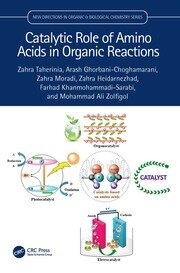
Asymmetric organometallic and organocatalytic processes have attracted great interest. Asymmetric synthesis using both natural and unnatural amino acids has been tremendously important from synthetic as well as industrial viewpoints, and numerous new methodologies have been developed in the last decades. Herein we provide an overview of old and very recent (since 1900 till now) advances and applications in the area of heterogeneous catalysis, homogeneous catalysis, electrocatalysis, photocatalysis, organocatalysis, thermal catalysis using amino acids [proline, glycine, alanine, valine, serine, threonine, cysteine, methionine, asparagine, glutamine, lysine, arginine, histidine, aspartate, glutamate, phenylalanine, and tryptophan], (supported or unsupported), an amino acid containing materials or amino acids derivatives as an essential component of catalysts, this book highlights the most important and recent developments to immobilize or support amino acids on various support materials. This book is suitable as supplementary reading for courses targeting the design, synthesis, and application of chiral catalysts, asymmetric catalysis, and sustainable production.

Daraa Highway - Ghabagheb - Syria
+963-15 2050 - 15 860 380 /1/2/3 - 11 662 3900