



Page 1
Page 1

Molecular Targeting in Oncology
In Molecular Targeting in Oncology, authors present an overview of the development of targeted therapies for the treatment of cancer with an emphasis on clinical application. The volume covers the complexity of the rapidly developing area of targeted therapies for the treatment of patients with cancer and is structured in a way so readers may begin with chapters that most interest them and work through the rest of the chapters in the order of their choice. The volume is divided into five sections that cover the most important elements of drug development. The first section focuses on approaches using targeted therapies to inhibit cell growth. The second section describes how clinicians are evaluating targeted therapies in specific organ systems. The third section illustrates how various classes of pharmacologic and immunologic agents are developed for individual molecular targets. The fourth section details new drugs that have novel mechanisms of action. The final section looks to the future of targeted therapeutics and includes chapters on appropriate patient selection, use of combination therapy, dealing with tumor cell resistance, and more. Comprehensive and cutting-edge, Molecular Targeting in Oncology is an essential reference for those working in the field.

Glucoszmine and Chondroitin between reality and tllusion
Despite the development of cancer treatments and the introduction of new treatments other than traditional treatments, the death rate is still high around the world for each type of cancer. Although conventional treatments are still common, as a first method in treatment, advanced new treatments have opened new horizon and have shown good efficacy in inhibiting cancer, either by treating them alone or in combination with conventional treatments, such as chemotherapy and radiation therapy. We mention in this research the latest methods of cancer treatment, such as targeted therapies in the treatment of solid cancers and leukemia. and will also mention the annual incidence rates of lines around the world. In cooperation with the head of the hematology division at the Mouwasat Hospital, Dr. Amin Suleiman, we studied cases of CML and MM patients being treated with modern therapies.

Cytokines as Potential Therapeutic Targets for Inflammatory Skin Diseases
Cytokines and cytokine receptors remain an area of great interest for the development of targeted therapies for cutaneous inflammatory diseases.This book summarizes the findings of the 56th International Workshop of the Ernst Schering Research Foundation that focused on "Cytokines as Potential Therapeutic Targets for Inflammatory Skin Diseases".
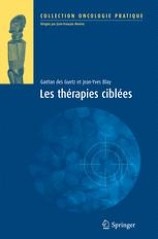
Les thérapies ciblées = Targeted therapies
We are at the start of the development of new therapeutic classes, directed against new molecular targets (EGFR, VEGF, IGFR, Rank, etc.) Several diseases such as kidney, colon or breast cancer, GIST, have a natural history now modified thanks to these therapies. This practical book takes stock of the current use of these molecules.

Les cancers ovariens = Ovarian cancers
Deals with ovarian cancers and their therapeutic management. Besides the epithelial tumors which are the most frequent, the rarer tumors, with attenuated malignancy, germ cells or of the ovarian stroma are also studied. Specialists from multiple backgrounds each deliver in their field the most recent knowledge on the fundamental aspects of the disease, its genetic, epidemiological and prognostic characteristics and its pathological peculiarities. Modern means of diagnosis are presented. The surgical technique, including laparoscopy, is detailed at the different stages of the disease. The therapeutic strategy aims to position the surgery and chemotherapy according to the stage. The current place of radiotherapy and isotopic therapies is indicated. Some more specific aspects are discussed, screening, lymph node dissection, the “second look”, intraperitoneal chemotherapy with or without hyperthermia, treatment of the elderly, monitoring after treatment… as well as the emergence of targeted therapies.

Le cancer du sein = Breast cancer
The reader will find there both a synthetic summary of the current state of knowledge of epidemiology, risk factors and pathological aspects as well as a presentation of the surgical aspects, in particular, of the new approach that constitutes the sentinel node procedure. Radiotherapy, in a practical view, is divided into essential clinical questions. The medical treatment is then discussed according to the different situations encountered on a daily basis. Particular attention is of course paid to recent data both with the contribution of hormone therapy and targeted therapies. Finally, the symptomatic treatments and especially the psychological care of these patients are not forgotten.
Clinical oral medicine and pathology
The book has been well received internationally by a wide audience of clinicians, including general dentists, oral surgeons, otolaryngologists, primary care physicians, nurse practitioners, dental hygienists, physician assistants, and dermatologists, and sales have been strong among students and post-graduate residents training in medical, dental, and allied health fields, supporting the versatility of this work and serving as testimony to its value in both the academic and private practice arenas. Several key updates and improvements have been made to the second edition. All informational content has been updated to ensure accuracy and relevance, particularly in the rapidly evolving fields of oncology and pharmacology. A new chapter has been added entitled "Oral Sequelae of Cancer and Cancer Therapy" which better organizes and consolidates previous content while expanding on topics such as targeted therapies and hematopoietic stem cell transplantation. Additional clinical images have been included throughout the book so that the full clinical spectrum of any given condition is well-represented. Furthermore, the print quality, as well as the positioning and layout of the clinical images has been improved for optimal utility. Lastly, the summary boxes that follow each condition have been reconfigured with color-coded icons for improved definition, ease of use and cross-referencing.
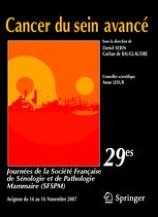
Cancer du sein avancé : 29es Journées de la Société Française de Sénologie et Pathologie Mammaire (SFSPM) Avignon, 14–16 novembre 2007 = Advanced breast cancer : 29th Days of the French Society of Senology and Breast Pathology (SFSPM) Avignon, November 14–16, 2007
These days are an opportunity to remind and persuade those less convinced that the treatment of this very particular phase of the disease is not limited to a score played by a few speakers or even by medical oncologists alone; but on the contrary, we must bring into play a truly philharmonic polyphonic ensemble, united around the patient and comprising all the players in multidisciplinary care: general practitioner, surgeon, radiotherapist, imaging specialist, gynecologist, general practitioner, psychologist, algologist, supportive care workers ...

Arum palaestenium in cancer therapies
Cancer is a very complicated sequence of disease conditions progressing gradually with a generalized loss of growth control.1–3 There were only a few options of cancer treatment for patients for many decades which include surgery, radiation therapy, and chemotherapy as single treatments or in combination.4,5 But recently, many pathways involved in cancer therapy progression and how they can be targeted has improved dramatically, with combinatorial strategies, involving multiple targeted therapies or “traditional” chemotherapeutics, such as the taxanes and platinum compounds, being found to have a synergistic effect.6 New approaches, such as drugs, biological molecules, and immune-mediated therapies, are being used for treatment.
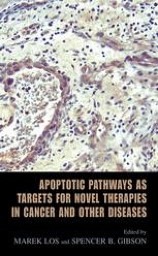
Apoptotic pathways as targets for novel therapies in cancer and other diseases
The book attempts to review, summarize, and speculate on the apoptotic pathways, how are they regulated and how targeted therapies are being used to treat a wide variety of diseases. Special emphasis is placed on cancer since new treatments either being developed or currently in the clinical setting are showing great promise to increase survival rates for cancer patients.
