



Page 1
Page 1

Muscle hypertrophy and role of anabolic hormones in bodybuilding
The goal of our research first of all to give an overall view on the physiology of muscles and we will focus on natural elements such as diet and exercises to improve your aim without using chemical drugs, we will also include other factors affecting hypertrophy muscle such as genetic ones since the variation in between two sportive persons might be more than 50 percent determined by heredity which is a very important element and may lead a sportive man to elevate the doses to reach the same development of ideal muscles.

Molecular Biology of the Parathyroid
Caintaining extracellular calcium concentrations within a narrow range is critical for the survival of most vertebrates. PTH, together with vitamin D, responds to hypocalcemia to increase extracellu M lar calcium levels, by acting on bone, kidney and intestine. The recent intro duction of PTH as a major therapeutic agent in osteoporosis has directed renewed interest in this important hormone and in the physiology of the parathyroid gland. The parathyroid is unique in that low serum calcium stimulates PTH secretion. As hypocalcemia persists, there is also an increase in PTH synthesis. Chronic hypocalcemia leads to hypertrophy and hyper plasia of the parathyroid gland together with increased production of the hormone. Phosphate is also a key modulator of PTH secretion, gene expres sion and parathyroid cell proliferation. Understanding the biology of the parathyroid as well as the mecha nisms of associated diseases has taken great strides in recent years. This book summarizes the molecular mechanisms involved in the function of the para thyroid gland. The first chapter reviews the development of the parathyroid gland and the genes involved in this process as identified using genetically manipulated mice. Then the biosynthetic pathway of PTH from gene ex pression to its intracellular processing and the sequences in the gene control ling its transcription as well as those regulating mRNA processing, stability and translation are described.

Investigative Electrocardiography in Epidemiological Studies and Clinical Trials
It reviews the prevalence and incidence and emphasizes the prognostic implications of common ECG abnormalities in contrasting populations. It provides a comprehensive, penetrating and critical analysis of topics such as QT prolongation in clinical drug trials, left ventricular hypertrophy, myocardial ischemia/infarction and epidemiological consideration of relative risks associated with ECG abnormalities. As such it is an essential tool in epidemiological or clinical research using ECGs and in investigations of possible adverse responses of new pharmacological agents.
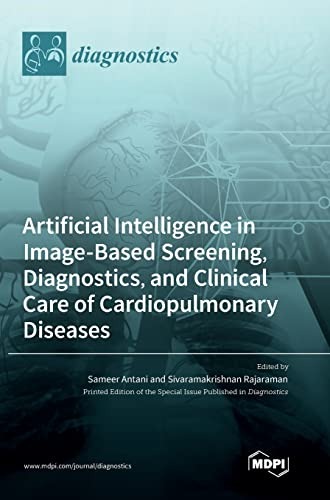
Artificial intelligence in image-based screening, diagnostics, and clinical care of cardiopulmonary diseases
In this Special Issue, “Artificial Intelligence in Image-Based Screening, Diagnostics, and Clinical Care of Cardiopulmonary Diseases”, we have highlighted exemplary primary research studies and literature reviews focusing on novel AI/ML methods and their application in image-based screening, diagnosis, and clinical management of cardiopulmonary diseases.
