


Refine Results
Sort By
From
To


Pesents hands-on technological protocols used to target an array of cell-secreted extracellular vesicles (EVs) in a variety of biological systems. Beginning with methods for EV purification and analysis, the book continues with sections on the study of EV functions as well as specific systems and models allowing for the study of EVs of different origin. Written for the highly successful Methods in Molecular Biology series, chapters include introductions to their respective topics, lists of the necessary materials and reagents, step-by-step and readily reproducible laboratory protocols, and tips on troubleshooting and avoiding known pitfalls.
This book offers 19 detailed protocols on the use of induced mutations in crop breeding and functional genomics studies, which cover topics including chemical and physical mutagenesis, phenotypic screening methods, traditional TILLING and TILLING by sequencing, doubled haploidy, targeted genome editing, and low-cost methods for the molecular characterization of mutant plants that are suitable for laboratories in developing countries. The collection of protocols equips users with the techniques they need in order to start a program on mutation breeding or functional genomics using both forward and reverse-genetic approaches. Methods are provided for seed and vegetatively propagated crops (e.g. banana, barley, cassava, jatropha, rice) and can be adapted for use in other species.
This book will help in bridging the wide gap between developed and developing countries, in the development and use of gene-based technologies, and to elucidate the current and future roles of such technologies in the developing world. It is a good reference source for researchers, students and policy-makers alike.
Agrobacterium’ is a comprehensive book on Agrobacterium research, including its history, application, basic biology discoveries, and effects on human society. Although the book largely focuses on providing a detailed review of virtually all molecular events of the genetic transformation process, it also provides coverage of ethical and legal issues relevant to the use of Agrobacterium as a "genetic transformation machine". The result is an all-inclusive text which readers—including scientists and students involved in plant genetic engineering—will find useful as a reference source for all major aspects of the Agrobacterium-mediated genetic transformation of plant and non-plant organisms.
Advances in Molecular Breeding toward Drought and Salt Tolerant Crops seeks to integrate the most recent findings about key biological determinants of plant stress tolerance with modern crop improvement strategies. This volume is unique because is provides exceptionally wide coverage of current knowledge and expertise being applied in drought and salt tolerance research, spanning the scientific hierarchy from physiology, biochemistry, development, and genetics, to the newest technologies being used to manipulate drought and salinity associated traits for germplasm improvement. This book will be an invaluable reference for educators and researchers in agronomy and horticulture, crop breeding, molecular genetics, and biotechnology.
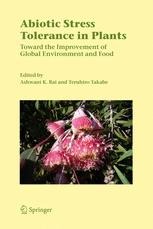
Stresses in plants caused by salt, drought, temperature, oxygen, and toxic compounds are the principal reason for reduction in crop yield. For example, high salinity in soils accounts for large decline in the yield of a wide variety of crops world over; ~1000 million ha of land is affected by soil salinity. Increased sunlight leads to the generation of reactive oxygen species, which damage the plant cells. The threat of global environment change makes it increasingly demanding to generate crop plants that could withstand such harsh conditions. Much progress has been made in the identification and characterization of the mechanisms that allow plants to tolerate abiotic stresses.
One area that has attracted much attention is the use of cell factories for the production of a wide range of chemicals. This area illustrates very well the definition of biochemical engineering , and it has therefore been chosen as the focus of this volume. The use of cell factories for production of chemicals dates back to the production of penicillin, ethanol, acetone–butanol, glycerol and further to enzymes and other antibiotics. All these products were traditionally produced by cell factories that naturally produce these compounds. With the introduction of genetic engineering it has,This volume therefore contains chapters on concepts of metabolic engineering on detailed modeling of cellular systems
This book about Proceedings of the NATO Advanced Study Institute on Advanced Science and Technology for Biological Decontamination of Sites Affected by Chemical and Radiological Nuclear Agents, held in Zhitomir, Ukraine, 17-28 August 2005
The Great Plains of North America is a major global breadbasket but its agriculture is stressed by drought, heat spells, damaging winds, soil erosion and declining ground water resources. This book explores the possibility that the ecology and economy of the Plains region (and similar regions) would benefit from the introduction of perennial biomass crops. Biomass production and processing on the Plains (possibly aided by genetic engineering) would partially restore a perennial vegetative cover and create new employment opportunities. Biomass also offers a means of reducing fossil fuel use, providing fuel to local power plants and a feedstock for production of cellulosic ethanol, a gasoline substitute. Interest in biofuels is growing rapidly in public, political and business circles with rising fossil fuel prices and because of a growing recognition of the need for energy independence in petroleum importing countries.

Daraa Highway - Ghabagheb - Syria
+963-15 2050 - 15 860 380 /1/2/3 - 11 662 3900