


Refine Results
Sort By
From
To

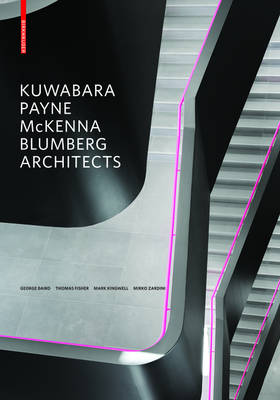
Kuwabara Payne McKenna Blumberg Architects, founded in 1987 in Toronto, is one of most innovative architectural offi ces in North America today. They have made a name for themselves both for their integrated design process embodying collaboration with experts, clients and future users as well as the diversity of their aesthetically refined and finely detailed designs. The work ranges from cultural institutions such as the Toronto International Film Festival and Orchestra Hall in Minneapolis to ecologically innovative concepts such as Manitoba Hydro Place in Winnipeg, developed with leading climate engineers Transsolar of Stuttgart.
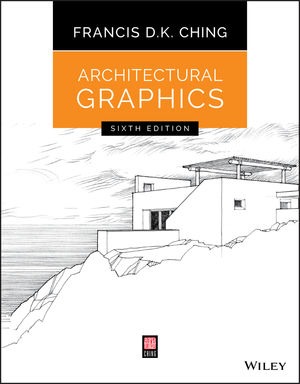
Offers a comprehensive introduction to using graphic tools and drafting conventions to translate architectural ideas into effective visual presentations, using hundreds of the author's distinctive drawings to illustrate the topic effectively. Includes new information on orthographic projection in relation to 3D models, and revised explanations of line weights, scale and dimensioning, and perspective drawing to clarify some of the most difficult concepts. New examples of modern furniture, APA facilities, and presentation layout provide more up-to-date visuals, and the Reference Center features all new animations, videos, and practice exercises. Architectural graphics are key tools for conveying design through representation on paper or on screen, and this book is the ultimate guide to mastering the skill, then applying your talent to create more effective design communication.
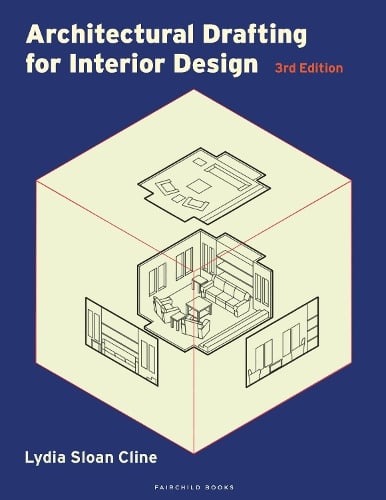
Incorporates material and examples that are meaningful to today's interior designers. Beginning interior designers will learn how to communicate their ideas graphically with a resource that is designed specifically for them. This book addresses their needs by focusing on topics independent of CAD, such as how to draw a floor plan, how to use it to create an interior elevation, and how to understand the relationship between 2D and 3D drawings. Written with NCIDQ, CIDA and NKBA requirements in mind, this book will provide readers with a strong, standards-based foundation in interior design.
Residential Buildings are normally the first design projects encountered by the student in his or her training. The focus at this point is on the different conceptual possibilities that allow one to take the first step toward an actual idea. Themes: concepts and kinds of cohabitation and dwelling residential functions the creation of living space design in housing construction This book is intended to help readers to find an easy way into the complex subject of housing design, explaining fundamental concepts, the way the individual living areas can cohere, and building form variations.
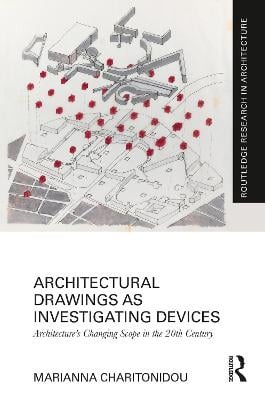
Explores how the changing modes of representation in architecture and urbanism relate to the transformation of how the addressees of architecture and urbanism are conceived. Diagnoses the dominant epistemological debates in architecture and urbanism during the 20th and 21st centuries. It traces their transformations, paying special attention to Le Corbusier and Ludwig Mies van der Rohe’s preference for perspective representation, to the diagrams of Team 10 architects, to the critiques of functionalism, and the upgrade of the artefactual value of architectural drawings in Aldo Rossi, John Hejduk, Peter Eisenman, and Oswald Mathias Ungers, and, finally, to the reinvention of architectural programme through the event in Bernard Tschumi and the Office for Metropolitan Architecture (OMA). Particular emphasis is placed on the spirit of truth and clarity in modernist architecture, the relationship between the individual and the community in post-war era architecture, the decodification of design process as syntactic analogy and the paradigm of autonomy in the 1970s and 1980s architecture, the concern about the dynamic character of urban conditions and the potentialities hidden in architectural programme in the post-autonomy era.
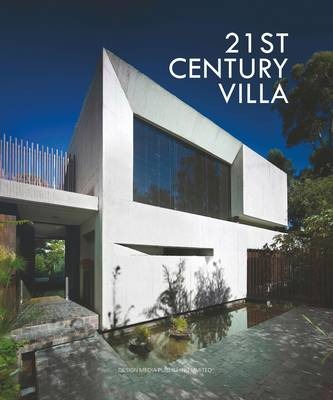
People's everchanging lifestyles bring about more and more requirements for the overall qualities of houses, and the demands for residences have marched towards the psychological dimension and cultural sphere. Consequently, there arise new design trends and new requirements for environment, material selection and design concept. The design projects in this book lead readers to perceive the comfort and cosiness of the natural space. The designers of these projects have created more natural, and convenient living spaces in the most natural and purest design languages, giving them a comprehensive and vivid explanation of the architecture design concept that buildings are created for people.
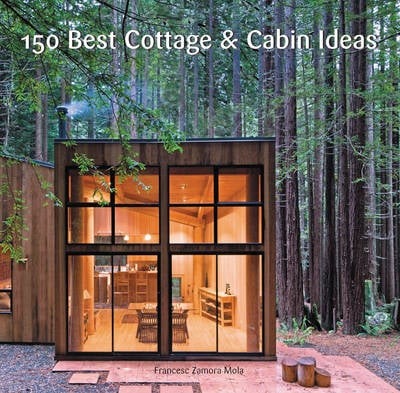
This is an ultimate resource for creating the ideal remote retreat. Discover 150 cottages and cabins from around the world that feature the luxury of modern home construction while preserving the surrounding landscape and utilizing local natural resources. These enviable dwelling showcase inspirations for homeowners, designers, and architects - from exposed-beam ceilings and built-in furnishings to large open-floor plans and floor-to-ceiling windows that accentuate picturesque views of the great outdoors. This volume highlights hidden sanctuaries that offer spacious, comfortable, and, most important, more natural living environments with a range of stunning full-colour photographs and detailed design plans.

Daraa Highway - Ghabagheb - Syria
+963-15 2050 - 15 860 380 /1/2/3 - 11 662 3900