


Refine Results
Sort By
From
To


Springer Handbook of Enzymes provides data on enzymes sufficiently well characterized. It offers concise and complete descriptions of some 5,000 enzymes and their application areas. Data sheets are arranged in their EC-Number sequence and the volumes themselves are arranged according to enzyme classes. This new, second edition reflects considerable progress in enzymology: many enzymes are newly classified or reclassified. Each entry is correlated with references and one or more source organisms. New datafields are created: application and engineering (for the properties of enzymes where the sequence has been changed). The total amount of material contained in the Handbook has more than doubled so that the complete second edition consists of 39 volumes as well as a Synonym Index.

Springer Handbook of Enzymes provides data on enzymes sufficiently well characterized. It offers concise and complete descriptions of some 5,000 enzymes and their application areas. Data sheets are arranged in their EC-Number sequence and the volumes themselves are arranged according to enzyme classes. This new, second edition reflects considerable progress in enzymology: many enzymes are newly classified or reclassified. Each entry is correlated with references and one or more source organisms. New datafields are created: application and engineering (for the properties of enzymes where the sequence has been changed). The total amount of material contained in the Handbook has more than doubled so that the complete second edition consists of 39 volumes as well as a Synonym Index.

This new, second edition reflects considerable progress in enzymology: many enzymes are newly classified or reclassified. Each entry is correlated with references and one or more source organisms. New datafields are created: application and engineering (for the properties of enzymes where the sequence has been changed). The total amount of material contained in the Handbook has more than doubled so that the complete second edition consists of 39 volumes as well as a Synonym Index. In addition, starting in 2009, all newly classified enzymes are treated in Supplement Volumes. Springer Handbook of Enzymes is an ideal source of information for researchers in biochemistry, biotechnology, organic and analytical chemistry, and food sciences, as well as for medicinal applications

Springer Handbook of Enzymes provides data on enzymes sufficiently well characterized. It offers concise and complete descriptions of some 5,000 enzymes and their application areas. Data sheets are arranged in their EC-Number sequence and the volumes themselves are arranged according to enzyme classes. This new, second edition reflects considerable progress in enzymology: many enzymes are newly classified or reclassified. Each entry is correlated with references and one or more source organisms. New datafields are created: application and engineering (for the properties of enzymes where the sequence has been changed). The total amount of material contained in the Handbook has more than doubled so that the complete second edition consists of 39 volumes as well as a Synonym Index.

This new, second edition reflects considerable progress in enzymology: many enzymes are newly classified or reclassified. Each entry is correlated with references and one or more source organisms. New datafields are created: application and engineering (for the properties of enzymes where the sequence has been changed). The total amount of material contained in the Handbook has more than doubled so that the complete second edition consists of 39 volumes as well as a Synonym Index. In addition, starting in 2009, all newly classified enzymes are treated in Supplement Volumes. Springer Handbook of Enzymes is an ideal source of information for researchers in biochemistry, biotechnology, organic and analytical chemistry, and food sciences, as well as for medicinal applications.

This new, second edition reflects considerable progress in enzymology: many enzymes are newly classified or reclassified. Each entry is correlated with references and one or more source organisms. New datafields are created: application and engineering (for the properties of enzymes where the sequence has been changed). The total amount of material contained in the Handbook has more than doubled so that the complete second edition consists of 39 volumes as well as a Synonym Index. In addition, starting in 2009, all newly classified enzymes are treated in Supplement Volumes. Springer Handbook of Enzymes is an ideal source of information for researchers in biochemistry, biotechnology, organic and analytical chemistry, and food sciences, as well as for medicinal applications.

Guide readers through circular RNA purification, in silico characterization, circRNA detection, sequence validation, quantification , techniques related to gain- and loss-of-function approaches, circular RNA synthesis, split ligation, engineering, nanoparticle packaging, RNA modifications on circular RNA biogenesis, RNA translation potential, and vaccines based on circular RNAs.
Covers the latest advancements in the study of ciliary complexity. Protocols cover genomic, proteomic, imaging, and functional analysis of different ciliated tissues and their wide applicability in cilia biology. Chapters in this book primarily focus on methods to study multiciliated cells, and discuss topics such as SARS-CoV-2 infections of human primary nasal multiciliated epithelial cells; expansion microscopy of ciliary proteins; live-imaging centriole amplification in mouse brain multiciliated cells; biophysical properties of cilia motility; and mucociliary transport device construction. Written in the highly successful Methods in Molecular Biology series format, chapters include introductions to their respective topics, lists of the necessary materials and reagents, step-by-step, readily reproducible laboratory protocols, and tips on troubleshooting and avoiding known pitfalls.
This publication constitutes the outcome of an ESRF meeting held together with the German Research Foundation. Clinical researchers, immunologists, virologists and molecular biologists provide the latest findings in their fields, advancing our understanding of what causes chronic viral and inflammatory cardiomyopathy, why it affects a subset of individuals while sparing the majority, how we can develop better therapies, and whether the disease can be prevented. Special emphasis is placed on the role of viruses in the aetiology and pathogenesis of cardiomyopathy.
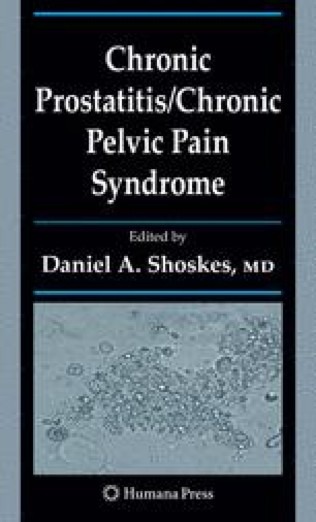
In Chronic Prostatitis / Chronic Pelvic Pain Syndrome, the author provides today’s most current information covering the four categories of prostatitis (acute, chronic bacterial, CPPS and asymptomatic inflammation).

CHRONIC DISEASES AND HEALTH CARE: New Patterns of Diabetes, Arthritis, Osteoporosis, Fibromyalgia, Low Back Pain, Cardiovascular Disease, and Cancer. This book evaluates new trends in epidemiology, health care costs, risk factors, treatment and rehabilitation outcomes, stress and coping strategies, social support, disability, patient education, and self-management for seven prevalent chronic diseases.

This volume includes timely reviews of several aspects of chromatin biology written by scientists at the forefront of this rapidly moving field. Topics covered include the structure and function of protein modules within chromatin-remodeling proteins, newly characterized histone modifications (methylation, ubiquitylation) and their functional consequences, transcription and histone dynamics, roles of chromatin remodeling factors in DNA replication and repair, and current models of nucleosome-remodeling mechanisms.
It is more evident now than ever before that dynamic organization of human genome into nucleoprotein structure, chromatin confers the unique regulatory mechanisms for most of the cellular phenomena, which include replication, transcription, DNA repair, recombination and also apoptosis. The dynamic nature of the chromatin is regulated by chromatin modifications (epigenetic alterations), remodeling, histone chaperones and functional interactions of different chromatin interacting n- histone proteins. Dysfunction of this highly inter connected machineries disturb the cellular homoeostasis, and thereby causes several diseases. As we advance in our knowledge of chromatin function and also disease mechanisms in more details, their causal relationship is becoming more evident. This has lead to the identification of chromatin function as target for new generation therapeutics.
Keeping up with these statistics means improving on traditional concepts of palliative care to meet growing demands. Choices in Palliative Care brings together 31 leading experts to spotlight core issues in the field, identify ways PC can fill gaps in current care systems, and demonstrate state-of-the-art care that is both cost-effective and clinically appropriate. This far-sighted volume redefines palliative care as interdisciplinary and integrative, providing liaisons between patients, families, and doctors; minimizing loved ones’ care burdens; bridging acute and long-term care to respond to clients’ evolving needs; adaptable to non-fatal (and possibly curable) chronic illnesses.
This volume, part of the Infectious Agents and Pathogenesis series, is a complete portrait of C. pneumoniae and what is currently known about it
Discovery in the use of chitosan-based nanocomposites in biomedical applications, including the scope to which these novel materials have been incorporated by the community. It provides an exceptional insight into the strategies for the synthesis and chemical modifications of chitosan, characterization techniques, their use as anticancer agents, antimicrobial, antiviral, and antifungal agents, their role in the biomedical field, and applications in drug delivery, gene therapy, dentistry, orthopedics, etc. This book will also emphasize the challenges with previous signs of progress and way for further research, details relating to the current pioneering technology, and future perspectives with a multidisciplinary approach. Furthermore, it presents up-to-date information on the economics, toxicity, and regulations related to these novel materials.
Presents a review of chitosan, including information regarding its structure, main properties, available sources, extraction, and processing techniques. It presents the different applications of chitosan as a biomaterial in fields such as medicine and the agricultural, cosmetology, pharmaceutical, and food industries to have readers obtain a more technical vision of the current use of this biopolymer.

This book is the application of plastic surgery techniques to cancer situations that is called "oncoplastic" surgery. The Institut Curie team takes stock of these techniques and indications applied in 2007 in France.

Cet ouvrage centré sur la chirurgie esthétique faciale repose sur une profonde connaissance de l'anatomie, de la physiologie et de l'étiopathogénie du vieillissement de la face. Les solutions thérapeutiques à visée esthétique sont développées mais en préservant toujours la fonction - gage d'un meilleur résultat immédiat et à plus long terme. Après un rappel du vieillissement cutané et de l'intérêt de l'utilisation de la toxine botulique, les aspects de la chirurgie esthétique de la face sont abordés à travers quatorze chapitres
Obesity surgery is a permanent and "open air" project, with many related disciplines contributing to a debate that cannot be exempt from the public at large.

Daraa Highway - Ghabagheb - Syria
+963-15 2050 - 15 860 380 /1/2/3 - 11 662 3900