


Refine Results
Sort By
From
To

This book follows a precursor volume devoted to biological calci?cation, - sued by the CRC Press, Boca Raton (Florida) in 1992. Several basic aspects of the calci?cation process were analyzed in it by outstanding authors who had unquestioned competence in their respective research areas. Its main aim was that of giving readers access to a series of papers which, even though they discussed divergent aspects of biological calci?cations drawn from the study of systems as different as vertebrate skeletons and mollusks, in vitro cultures and unicellular organisms, ectopic calci?cation and urinary stones, provided elements permitting a coherent approach to a comprehensive view of the calci?cation process in biological tissues.

Biogeography considers the distribution of biological units over a wide range of scales. The units range from genotypes, populations and species to families and higher taxa. Processes can be local, such as the isolation on islands due to sea-level fluctuations, or large-scale tectonic processes that separates continents and creates oceans. In all processes time is an important factor and by combining data on recent patterns with paleontological data the understanding of the distribution of extant taxa can be improved. This volume focuses on speciation due to isolation in island-like settings, and the evolution of large-scale diversity as the result of origination, maintenance and extinction.
Advances in Biochemistry in Heath and Disease presents state-of-the-art discussions in cutting-edge biochemical research, offering exciting developments that impact healthcare and disease research. Volumes in the series focus on cross-disciplinary biomedical research and examine various topics in biochemistry, cell biology, molecular biology, and biomedicine. Biochemistry of Atherosclerosis examines atherosclerosis in great detail, focusing on the risk of atherosclerosis, and the biochemical pathways involved. It provides a breadth of knowledge as well as new insights into a variety of topics relating to atherosclerosis from leading scientists around the world who are at the forefront of atherosclerosis research. Biochemistry of Atherosclerosis is essential reading for biomedical and clinical researchers.
Covering interesting and significant biomedical ageing topics not included in the earlier volumes. Comprehensive and cutting-edge, this book is a valuable resource for experienced researchers and early career scientist alike, who are interested in learning more about the fascinating and challenging question of why and how our cells age.
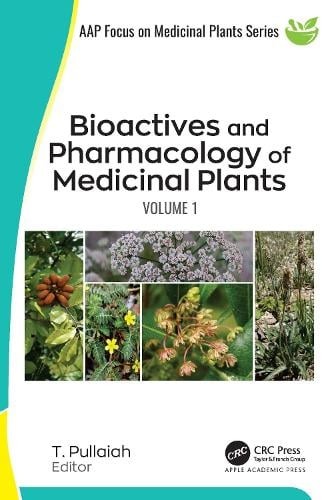
Bioctives and Pharmacology of Medicinal Plants, concisely presents an abundance of important information on the bioactive and pharmacological properties of medicinal plants. It provides valuable comprehensive research and studies on bioactive phytocompounds of over 68 important medicinal plants with beneficial properties. For each species included in the volume, a brief introduction is given along with their bioactive compounds and chemical structures, followed by their chief pharmacological activities that include antiviral, antimicrobial, antioxidant, anti-cancer, anti-inflammatory, antidiabetic, hepatoprotective, nephroprotective, and cardioprotective activities. A review of the published literature on pharmacological activities on each species is included also, providing a thorough resource on each of the plants covered in the volume.
A variety of bioactives and therapeutics from the legume family (Fabaceae or Leguminosae) are thoroughly detailed. For each species included in the volume, a brief introduction is given, the plant’s bioactive compounds are listed, and its chemical structures shown, followed by their pharmacological activities. Many of these plants have medicinal activities that include antiviral, antimicrobial, antioxidant, anticancer, anti-inflammatory, and antidiabetic, hepatoprotective, nephroprotective and cardioprotective. The biochemical characteristics of the 37 plants included, such as the type of starch, protein, and fibers, can be exploited as binders, excipients, thickeners, and dispersants in the formulation of various products in the pharmaceutical industry. The published literature on the pharmacological activities on each species is reviewed and presented in a concise and clear manner.
Provides a wealth of information on plants in the Lamiaceae family, noted for their essential oils and bioactives and pharmacological properties. The chapters investigate a wide variety of species, providing for each an introduction, characteristics, properties, distribution, traditional uses, and current and potential pharmacological applications. Aiming to be a resource for the development of new drugs based on species within the Lamiaceae family, the volume discusses 26 species, including bungleweed (Ajuga), Malabar catmint (Anisomeles malabarica), beechwood (Gmelina arborea), Brazilian mint (Hyptis crenata), rosemary (Rosmarinus officinalis L.), holy basil (Ocimum tenuiflorum), and many more.
The molecular genetics of the cholinergic system including both muscarinic and nicotinic acetylcholine receptors, cholinesterases, acetylcholine synthesis and release have provided significant insights into potential targeting for pharmacological intervention. Cholinergic drugs are being used or evaluated for the treatment of diseases. Thus, this volume aims to broaden our understanding of the current state of cholinergic mechanisms to enable implementation of novel approaches for the development of more effective treatments.
The authors of this volume present the synthesis on how the various host cellular Rho GTPases activities are manipulated by bacteria to fulfill their virulence.
This volume tends to focus on the biology of biofilms that affect human disease. It opens with chapters that provide the reader with current perspectives on biofilm development, physiology, environmental and regulatory effects, the role of quorum sensing, and resistance/phenotypic persistence to antimicrobial agents during biofilm growth. The next chapters are devoted to common problematic biofilms, those that colonize venous and urinary catheters. The final series of chapters examines biofilm formation by four species that are important pathogens and well studied models, one of which, Yersinia pestis, cleverly adopts a biofilm state of growth within its insect vector to promote disease transmission to mammalian hosts.
Genetic investigations and manipulations of bacteria and bacteriophage have made vital contributions to our basic understanding of living cells and to the development of molecular biology and biotechnology. This volume is a survey of the genetics of bacteria and their viruses, and it provides students with a comprehensive introduction to this rapidly changing subject. The book is written for upper level undergraduates and beginning graduate students, particularly those who have had an introductory genetics course.
Appearing widely in natural products, biologically active molecules, asymmetric chemistry, and material science, axially chiral motifs constitute the core backbones of the majority of chiral ligands and organocatalysts in asymmetric catalysis. In a new work of particular relevance to synthetic chemists, Axially Chiral Compounds: Asymmetric Synthesis and Applications delivers a clearly structured and authoritative volume covering the classification, characteristics, synthesis, and applications of axial chirality.

The volume includes a total of 62 invited papers, organized into 12 broad thematic areas: cochlear signal processing; brainstem signal processing; pitch; frequency modulation; streaming; amplitude modulation; responses to complex sounds; speech; comodulation masking release; binaural hearing; temporal coding; and plasticity
Vascular injury is initiated by oxidant injury to the vessel wall. This volume is organized around the role of oxidant damage in this disease process and provides a collection of the most recent studies, representing various disciplines, that can serve as the basis for further improvements in our understanding and control of cardiovascular and cerebral vascular disease.
Associative and Endophytic Nitrogen-fixing Bacteria and Cyanobacterial Associations This book is part of the seven-volume series that was launched a few years ago with the ambitious objectives of reviewing the field of nitrogen fixation from its earliest beginnings through the millennium change and of consolidating the relevant information - from fundamental to agricultural and environmental aspects – all in one place. Volume 5 covers the biology of bacteria that associate with n- leguminous plants. The subject matter includes a wide range of associations; it covers the bacterial species that associate either with the surface or within the tissues of grasses (often referred as plant growth-promoting rhizobacteria) and also the symbiotic associations that cyanobacteria form with fungi, algae, and both lower and higher plants. This volume does not deal with the Frankia-actinorhizal plant associations, which is the topic of Volume 6
This book offers an overview of the beautiful, powerful, and dynamic array of opportunities to promote health through the arts from theoretical, methodological, pedagogical, and critical perspectives. This is the first-known text to connect the disparate inter-disciplinary literatures into a coherent volume for health promotion practitioners, researchers, and teachers. It provides a one-stop depository for using the arts as tools for health promotion in many settings and as bridges across communities, cultures, and sectors.
This volume of the Keio University International Symposia for Life Sciences and Medicine contains the proceedings of the 13th symposium held under the sponsorship of the Keio University Medical Science Fund. The fund was est- lished by the generous donation of the late Dr. Mitsunada Sakaguchi. The Keio University International Symposia for Life Sciences and Medicine constitute one of the core activities sponsored by the fund,of which the objective is to contribute to the international community by developing human resources, promoting scienti?c knowledge, and encouraging mutual exchange. Each year, the Committee of the International Symposia for Life Sciences and Medicine selects the most signi?cant symposium topics from applications received from the Keio medical community. The publication of the proce- ings is intended to publicize and distribute the information arising from the lively discussions of the most exciting and current issues presented during the symposium.

Sand dune dynamics plays a key role in many arid deserts. This volume provides a synthesis of a specific sand dune ecosystem, the Nizzana site in the Negev Desert. Describing its climate and geophysical/geochemical properties of soils, geological history, flora and fauna, and past/present land-use patterns, it elucidates ecological and geomorphological processes and their interrelations, based on long-term monitoring, in situ experiments and satellite imagery. Particular attention is drawn to the impact of the topsoil biological crust in controlling water availability at local/regional scales. The interdisciplinary approach adopted in this case study offers a good example of a highly complex and dynamic system, which could easily be applied to other sandy ecosystems.
A series of short papers published in Intensive Care Medicine since 2002 under the heading Physiologic Notes attempts to capture the essence of the physiologic perspectives that underpin both our understanding of disease and response to therapy. Tis present volume combines the complete list of these Physiologic Notes up until July 2006 with the ass o ciated review articles over the same in terval that also address edthese central issues.
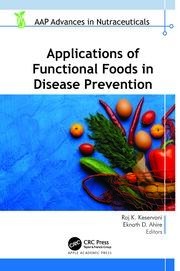
Functional food sources are growing in popularity because they are exceptionally nutritious and provide amazing medical advantages. They can help ensure against infection, prevent supplement deficiency, and advance appropriate health development and improvement. With illustrative case studies, this new volume explores the many roles of functional foods in the prevention and management of various diseases, including diabetes, autism spectrum disorder, weight loss and obesity, microbial infections, ulcers and other gastrointestinal diseases, mental disorders and brain health, cardiac health and cardiovascular diseases, osteoporosis and bone health, and more.

Daraa Highway - Ghabagheb - Syria
+963-15 2050 - 15 860 380 /1/2/3 - 11 662 3900