



Page 39
Page 39

Class 1 Oxidoreductases IX : EC 1.6 - 1.8
Springer Handbook of Enzymes provides data on enzymes sufficiently well characterized. It offers concise and complete descriptions of some 5,000 enzymes and their application areas. Data sheets are arranged in their EC-Number sequence and the volumes themselves are arranged according to enzyme classes. This new, second edition reflects considerable progress in enzymology: many enzymes are newly classified or reclassified. Each entry is correlated with references and one or more source organisms. New datafields are created: application and engineering (for the properties of enzymes where the sequence has been changed). Springer Handbook of Enzymes is an ideal source of information for researchers in biochemistry, biotechnology, organic and analytical chemistry, and food sciences, as well as for medicinal applications.

Cilia : Methods and protocols
Covers the latest advancements in the study of ciliary complexity. Protocols cover genomic, proteomic, imaging, and functional analysis of different ciliated tissues and their wide applicability in cilia biology. Chapters in this book primarily focus on methods to study multiciliated cells, and discuss topics such as SARS-CoV-2 infections of human primary nasal multiciliated epithelial cells; expansion microscopy of ciliary proteins; live-imaging centriole amplification in mouse brain multiciliated cells; biophysical properties of cilia motility; and mucociliary transport device construction. Written in the highly successful Methods in Molecular Biology series format, chapters include introductions to their respective topics, lists of the necessary materials and reagents, step-by-step, readily reproducible laboratory protocols, and tips on troubleshooting and avoiding known pitfalls.
Chromosomal alterations : Methods, results and importance in human health
Cytogenetics is a very important research tool in basic and applied research. The uses of cytogenetics in human-population monitoring, in biological dosimetry in radiation accidents and in astronauts and as a predictive measure of cancer are topics discussed in this book. The book will help the reader to better understand cytogenetics and the intricacies of the methodology. The different methods of fluorescence in situ hybridization are discussed and the results achieved are presented. The book provides a comprehensive review of basic and applied aspects of cytogenetics and therefore will be of interest to all who are interested in chromosomes and their alterations by different types of mutagens, including chemical mutagens and ionizing and nonionizing radiation, with special reference to electromagnetic fields.
Chitosan-based nanocomposite materials : fabrication, characterization and biomedical applications
Discovery in the use of chitosan-based nanocomposites in biomedical applications, including the scope to which these novel materials have been incorporated by the community. It provides an exceptional insight into the strategies for the synthesis and chemical modifications of chitosan, characterization techniques, their use as anticancer agents, antimicrobial, antiviral, and antifungal agents, their role in the biomedical field, and applications in drug delivery, gene therapy, dentistry, orthopedics, etc. This book will also emphasize the challenges with previous signs of progress and way for further research, details relating to the current pioneering technology, and future perspectives with a multidisciplinary approach. Furthermore, it presents up-to-date information on the economics, toxicity, and regulations related to these novel materials.

Chia seeds : Tiny superfood, big impact
Chia (Salvia hispanica) is an annual herbaceous plant, the seeds of which were consumed already thousands of years ago. Current research results indicate a high nutritive value for chia seeds and confirm their extensive health-promoting properties. Research indicates that components of chia seeds are ascribed a beneficial effect on the improvement of the blood lipid profile, through their hypotensive, hypoglycemic, antimicrobial and immunostimulatory effects. This article provides a review of the most important information concerning the potential application of chia seeds in food production. The chemical composition of chia seeds is presented and the effect of their consumption on human health is discussed.
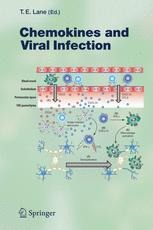
Chemokines and Viral Infection
This edition of Current Topics in Microbiology and Immunology examines the role of chemokines and chemokine receptors in host defense and disease development following viral infection. Chemokines represent a family of over 40 small proteins that, for the most part, are secreted into the environment and function by binding to G protein-coupled receptors (GPCRs) that are expressed on numerous different cell types. When initially identified close to 30 years ago, these molecules were associated with various human inflammatory diseases and it was recognized that expression may be integral in leukocyte recruitment to inflamed tissue. There are now four sub-families of chemokines identified based on defined structural criteria relating to the positional location of conserved cysteine residues within the amino-terminus of the protein. Chemokines are now recognized as important in numerous biological processes ranging from maintaining the organizational integrity of secondary lymphoid tissue to participating in various aspects of both innate and adaptive immune responses following microbial infection. With this in mind, this book highlights the functional roles of chemokines and their receptors in participating in various aspects of the immune response against well-known viral pathogens.

Chemokine biology : Basic research and clinical application ; Vol.2 : Pathophysiology of chemokines
Chemokines play an important role in recruiting inflammatory cells into tissues in response to infection and inflammation. They also play an important role in coordinating the movement of T-cells, B-cells and dentritic cells, necessary to generate an immune response (response to injury, allergens, antigens, invading microorganisms). They selectively attract leukocytes to inflammatory foci, inducing both cell migration and activation. They are involved in various diseases, like atherosclerosis, lung and skin inflammation, multiple sclerosis, or HIV. Volume 2 of this two-volume set discusses the pathophysiology of chemokines. It is divided into two parts: a) chemokines in animal disease models, and b) chemokines as drug targets. Together with volume 1, which discusses the immunobiology of chemokines, both volumes give a comprehensive overview of chemokine biology.
Chemokine biology : Basic research and clinical application ; Vol.1 : Immunobiology of chemokines
The discovery of interleukin-8 close to 20 years ago initiated a new field of research touching on many aspects of immunology and inflammation. Interleukin-8 is just one member of a large class of structurally related chemoattractant proteins, known as chemokines. Chemokines are involved in the traffic control of leukocytes, which bear the corresponding chemokine receptors on their surfaces. Today, it is clear that chemokines affect all aspects of immunology and even many unrelated fields, such as tissue development and tumor cell metastasis. Their fundamental contributions to chronic inflammatory diseases make them a principal target for the development of novel, anti-inflammatory therapeutics.
Chemistry of Biologically Potent Natural Products and Synthetic Compounds
Several novel natural product derivatives, heterocyclic and other synthetic compounds, have been reported to have shown interesting biological activities including anticancer, antimicrobial, anti-inflammatory, anti-glycemic, anti-allergy and antiviral etc. Provides up-to-date information on new developments and most recent medicinal applications of the natural products and derivatives, as well as the chemistry and synthesis of heterocyclic and other related compounds.

Chemical process engineering ; Vol.1 : Design, analysis, simulation, integration, and problem solving with microsoft Excel-UniSim software for chemical engineers computation, physical Property, fluid flow, equipment and instrument sizing
The book provides a detailed description and hands-on experience on process design in chemical engineering, and it is an integrated text that focuses on practical design with new tools, such as Excel spreadsheets and UniSim simulation software.

Chemical Kinetics and Reaction Dynamics
Chemical Kinetics and Reaction Dynamics brings together the major facts and theories relating to the rates with which chemical reactions occur from both the macroscopic and microscopic point of view. This book helps the reader achieve a thorough understanding of the principles of chemical kinetics and includes: *Detailed stereochemical discussions of reaction steps / *Classical theory based calculations of state-to-state rate constants / *A collection of matters on kinetics of various special reactions such as micellar catalysis, phase transfer catalysis, inhibition processes, oscillatory reactions, solid-state reactions, and polymerization reactions at a single source. / The growth of the chemical industry greatly depends on the application of chemical kinetics, catalysts and catalytic processes.

Chemical Ecology : From Gene to Ecosystem
This book provides an overview of chemical ecology related to different ecosystems. It offers an outlook at novel directions that can be taken in chemical ecology through a molecular-ecological or eco-genomic approach. The book addresses aboveground and belowground terrestrial systems as well as aquatic systems, and the organisms involved are micro- and macro-organisms, such as plants, arthropods and mammals.

Charged Particle Traps : Physics and Techniques of Charged Particle Field Confinement
This book provides an introduction and guide to modern advances in charged particle (and antiparticle) confinement by electromagnetic fields. Confinement in different trap geometries, the influence of trap imperfections, classical and quantum mechanical description of the trapped particle motion, different methods of ion cooling to low temperatures, and non-neutral plasma properties (including Coulomb crystals) are the main subjects. They form the basis of such applications of charged particle traps as high-resolution optical and microwave spectroscopy, mass spectrometry, atomic clocks, and, potentially, quantum computing.
Characterization of Polymer Surfaces and Thin Films
Comprehensive characterization of surfaces and interfaces is essential to relate surface and thin film properties to micro structure and molecular origin, which is, on the other hand, the key to technological control and improvement of materials. This volume cover a representative spectrum of surface sensitive techniques and their application to polymer surface and thin film characterization as well as recent examples of technologically relevant materials and process development.
Characterization of Pharmaceutical Nano- and Microsystems
Offers readers a full understanding of the basic physicochemical characteristics, material properties and differences between micro- and nanosystems. It explains how and why greater experience and more reliable measurement techniques are required as particle size shrinks, and the measured phenomena grow weaker.

Characterization II
Molecular Sieves - Science and Technology covers, in a comprehensive manner, the science and technology of zeolites and all related microporous and mesoporous materials. Authored by renowned experts, the contributions to this handbook-like series are grouped together topically in such a way that each volume deals with a specific sub-field. Volume 5 complements Volume 4 (Characterization I) in that it is devoted to the characterization of molecular sieves by a variety of non-spectroscopic techniques (Characterization II). Thus, Volume 5 comprises Chemical Analysis, Thermal Analysis, Pore-Size Characterization by Molecular Probes, Characterization by 129Xe NMR, Coke Characterization, Synthesis and Characterization of Isomorphously Substituted Molecular Sieves.
Central Nervous System Diseases and Inflammation
This volume serves as a succinct and well-organized reference volume focused on inflammatory CNS disease to a wide audience. The text is comprised of four sections revolving around current areas of interest in the fields of neuroimmunology, virology, pharmacology and disease. Sections of this text focus on a specific category of diseases as well as the pharmacological, virological, and immunological effects of and on the disease.Although many have covered this topic, few have provided a volume as concise and efficient. Each disease is broken down on a variety of scientific levels without getting into the history of the disease. This approach provides a succinct overview of a specific subject encompassing interrelated topics pertaining to neurology, immunology and disease. The information provided in Central Nervous System Diseases and Inflammation will be useful for researchers, clinicians, as well as a valuable resource for students interested in the fascinating arena of neuroinflammation.
Cellular Automaton Modeling of Biological Pattern Formation: Characterization, Applications, and Analysis
This book focuses on a challenging application field of cellular automata: pattern formation in biological systems, such as the growth of microorganisms, dynamics of cellular tissue and tumors, and formation of pigment cell patterns. These phenomena, resulting from complex cellular interactions, cannot be deduced solely from experimental analysis, but can be more easily examined using mathematical models, in particular, cellular automaton models.
Cell-Cell Channels
The biological sciences are dominated by the idea that cells are the functionally autonomous, physically separated, discrete units of life. This concept was propounded in the 19th century by discoveries of the cellular structuring of both plants and animals. Moreover, the ap parent autonomy of unicellular eukaryotes, as well as the cellular basis of the mammalian brain (an organ whose anatomy for a long while defied attempts to validate the idea of the cellular nature of its neurons), seemed to provide the final conclusive evidence for the completeness of *cell theory', a theory which has persisted in an almost dogmatic form up to the present day. However, it is very obvious that there are numerous observations which indicate that it is not the cells which serve as the basic units of biological life but that this property falls to some other, subcellular assemblage. To deal with this intricate problem concerning the fundamental unit of living matter, we proposed the so-called Cell Body concept which, in fact, devel ops an exceedingly original idea proposed by Julius Sachs at the end of the 19th century. In the case of eukaryotic cells, DNA-enriched nuclei are intimately associated with a microtubular cytoskeleton. In this configuration—as a Cell Body—these two items comprise the fundamental functional and struc tural unit of eukaryotic living matter. The Cell Body seems to be inherent to all cells in all organisms.

Cell Technology for Cell Products ; Proceedings of the 19th ESACT Meeting, Harrogate, UK, June 5-8, 2005
The 19th ESACT meeting was to highlight the novel capabilities of the industry to move the products towards the clinic and was attended by a wide range of workers in the industry and for many it was their first ESACT meeting. The meeting was started with a session on Transcription to Secretion with a notable set of presentations on the emerging issues. The other sessions that followed Therapeutic Cell Engineering, Gene Medicine, Cells to Tissue, Protein products and Process Technology guided the delegates through the advances made for the progression of the biotechnology towards the industrial application of the products from cells. The meeting was supported by some exceptional invited speakers from around the world whose contributions complemented the emerging technologies and the changes being made at the industrial end of the ESACT spectrum.
