


Refine Results
Sort By
From
To

This unique and engaging open access title provides a compelling and ground-breaking account of the patient safety movement in the United States, told from the perspective of one of its most prominent leaders, and arguably the movement’s founder, Lucian L. Leape, MD. Covering the growth of the field from the late 1980s to 2015, Dr. Leape details the developments, actors, organizations, research, and policy-making activities that marked the evolution and major advances of patient safety in this time span. In addition, and perhaps most importantly, this book not only comprehensively details how and why human and systems errors too often occur in the process of providing health care, it also promotes an in-depth understanding of the principles and practices of patient safety, including how they were influenced by today’s modern safety sciences and systems theory and design. Indeed, the book emphasizes how the growing awareness of systems-design thinking and the self-education and commitment to improving patient safety, by not only Dr. Leape but a wide range of other clinicians and health executives from both the private and public sectors, all converged to drive forward the patient safety movement in the US.
Recent developments in the research on magnetotactic bacteria are presented in this volume. Included are reviews on the formation and organization of magnetosomes, the genes controlling magnetosome biomineralization, and new cryogenic techniques to visualize novel cytoskeleton structures. Described here are potential nanobiotechnological applications of the magnetosome crystals, which have magnetic and crystalline characteristics unmatched by their inorganic counterparts.
Provides a comprehensive overview of both the physics and the clinical applications of MRI, including practical guidelines for imaging. The authors define the importance of MRI in the diagnosis of several disease groups in comparison or combination with other methods.
The book has been extensively revised and expanded to do justice to the rapid advances in MR technology, molecular biochemistry, and genetics and the discovery of new disease entities with prominent white matter involvement. Forty chapters have been added, and the number of illustrations has risen considerably. The ability to confirm the presence of genetic alterations in a number of disorders allows more advantageous presentation of the phenotypic variation as expressed in differ.
Though magnetic resonance imaging has helped revolutionize the field of orthopedic medicine, a difference in perspective persists between radiology and orthopedic specialists. Magnetic Resonance Imaging in Orthopedic Sports Medicine is an interdisciplinary resource designed to bridge this gap.
The imaging of stroke has undergone significant changes owing to the rapid progress in imaging technology. This volume, comprising three parts, is designed to provide a comprehensive summary of the current role of MR imaging in patients with ischemic stroke. The first part outlines the clinical presentations of stroke and discusses the diagnostic efficacy and therapeutic impact of MR imaging. The second and third parts form the core of the volume, and are based on a novel approach in that the topic is presented from two very different viewpoints. Part 2 provides a detailed presentation of the distinguishing features of stroke from the radiologist's perspective. By contrast, part 3 addresses the needs of the clinician, documenting specific stroke syndromes and their correlates on MR imaging. The overall aim has been to create a well-illustrated volume with broad appeal that links pathology, radiology and stroke medicine in an informative manner.
The advent of contrast-enhanced MRA in the early to mid 1990s revolutionized the clinical approach to vascular imaging: an accurate non-invasive imaging modality, not requiring ionizing radiation or potentially nephrotoxic iodinated contrast media, was able to compete with the more hazardous and invasive catheter angiography. Today, MRA is a safe, easy-to-perform procedure routinely used in most imaging centers, and the continued development of faster, more powerful magnets and more effective contrast agents is increasingly helping to overcome many of the early limitations of the technique.
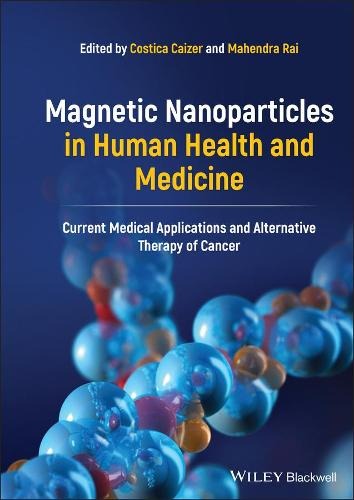
Progress in improving diagnosis by magnetic resonance imaging (MRI) and using non-invasive and non-toxic magnetic nanoparticles for targeted drug delivery. Focusing on cancer diagnosis and therapy, the book covers both fundamental principles and advanced theoretical and experimental research on the magnetic properties, biocompatibilization, biofunctionalization, and application of magnetic nanoparticles in nanobiotechnology and nanomedicine.
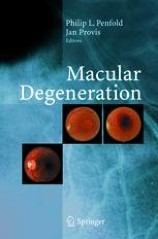
Macular Degeneration: Science and Medicine in Practice provides a unique overview of current thinking in the pathogenesis, incidence and treatment of AMD. It includes, for the first time, a synthesis of the views of the world's leading scientists and practitioners regarding retinal biology, basic mechanisms, clinical and pathogenetic processes, and rational approaches to intervention.
Macrosocial Determinants of Population Health explores social factors such as culture, mass media, political systems, and migration that influence population health while systematically considering how we may best study these factors and use our knowledge from this study to guide public health interventions.Each section ends with Galea’s integrative chapters, bringing the observations and conclusions from the chapters into clear, usable focus. Macrosocial Determinants of Population Health is a work of major theoretical, empirical, and practical interest for disciplines as varied as public health, epidemiology, health promotion, sociology, and health policy. Its systematic field-building approach makes it as valuable to the public health provider as to the scholars and students studying the health of populations.

Teaches you everything you need to know to master the popular meal plan that has helped athletes, celebrities, and people just like you build lean muscle and lose fat for good. On the macro diet, you track macronutrients instead of calories, so you know you’re giving your body the correct balance of daily nutrients to feel energized, strong, and healthy. And the great thing is that, as long as you balance your macros and meet your daily goals, you can eat whatever you want. You'll reach your weight and health goals without feeling deprived of your favorite foods.
Explores the application of machine learning to the understanding, early diagnosis, and management of neurodegenerative disorders. With a specific focus on its role in ongoing clinical trials, the book covers essential topics such as data collection, pre-processing, feature extraction, model development, and validation techniques. It delves into the applications of neuroimaging techniques like magnetic resonance imaging (MRI), computed tomography (CT), and positron emission tomography (PET) in the diagnosis and understanding of neurodegenerative disorders. Additionally, the book examines various machine-learning algorithms employed for biomarker discovery in neurodegenerative disorders. It highlights the role of neuroinformatics and big data analysis in advancing the understanding and management of neurodegenerative disorders. Furthermore, the book reviews future prospects and presents the ethical considerations and regulatory challenges associated with implementing machine learning approaches in the diagnosis, treatment, and prevention of neurodegenerative disorders.
This book summarizes the current state-of-the art knowledge about this unique organelle. It addresses the biogenesis of this compartment, the transport of lysosomal proteins, the role of the lysosomal membrane in lysosomal stability and transport, the function of lysosomal proteases and hydrolases, lysosomal storage disorders, and new concepts on how to treat these diseases.
This book is dedicated to patients affected by Lysosomal Storage Disorders, and especially to the National Gaucher Foundation (USA) and the Colombian Association of Patients with Lysosomal Storage Diseases (ACOPEL for its Spanish Acronym). Both organizations will share in the sales of this book.
Since the discovery of chemokines and of chemokine receptors it has become evident that expression of chemokines at the site of inflammation may regulate the composition of cellular infiltrate, thereby directing the type of immune response. Recently, the molecular characterization of inherited disorders of immune system, (e.g., Wiskott-Aldrich syndrome, WHIM syndrome, leukocyte adhesion deficiency), which are characterized by cytoskeleton/adhesion defects or by altered response of chemokine receptors has contributed to clarifying the key players of immune response in normal physiology and in disease. This book, which deals with the description of the role of chemokines in immune response and underlines potential targets of therapeutical intervention, offers a series of contributions of the most challenging aspects of lymphocyte migration in homeostasis and in disease.
Signal transduction through leukocyte receptors involves a variety of signaling molecules including kinases, phosphatases, adaptor proteins, small GTPases GTP exchange factors, membrane phospholipids as well as others. These signal transducers, regulated by inter- and intra-molecular interactions, as well as by various post-translational modifications, lead to the activation of transcription factors that mediate cellular differentiation and growth, effector cell functions, and apoptotic cell death. Several investigators from various parts of the world convened at the 3rd Lymphocyte Signal Transduction Workshop in Crete, Greece from May 27 to June 1, 2005 to discuss their most recent findings in leukocyte signaling. This volume represents a collection of topics discussed during the conference.
Learning the diagnostic elements of lung pathology requires not only great familiarity with a wide diversity of cases, but also a sharp eye for analyzing pictorial images. In Lung Pathology: A Consultative Atlas, leading experts offer a novel and substantive approach to the teaching of pulmonary pathology. Drawing on 263 challenging, yet exemplary, referral cases taken from files collected over 20 years by internationally renowned lung pathologist, Dr. Eugene Mark, the authors introduce his state-of-the-art approach to the interpretation of pulmonary pathology. This text includes the primary and/or differential diagnosis and the pertinent histological features of each case, as well as clinical history, when available. Key words or phrases in the text are highlighted and digitally hyperlinked to associated images or regions of interest within those images to assist the readers in their correlation. Novel and user friendly, Lung Pathology: A Consultative Atlas describes a cutting-edge diagnostic approach to pulmonary pathology, describing its principles and demonstrating its application in text and full-color illustrations drawn from 263 difficult cases of human lung pathologies.
The lungs are the organ for gas exchange between the body and the external environment. Dysfunction of upper airway epithelium and smooth muscle cells leads to pathogenesis of asthma, chronic obstructive pulmonary disease (COPD), cystic fibrosis, and other conditions, resulting in airway inflammation and narrowing. Injury to alveolar epithelium and endothelium causes influx of neutrophil and protein-rich fluid from circulation, resulting in edema and disruption of gas exchange. In addition to lung structural cells, immune cells, including alveolar macrophages and lymphocytes play critical roles in the maintenance of lung function. This book contributes to the understanding homeostasis of lung cells in the physiological and pathological conditions critical to the development of novel therapeutics.
Brings together the works of radiation biologists and ecologists to provide reliable radioecology data and gives insight into future radioprotection. The book examines the environmental pollution and radiation exposure, and contains valuable data from abandoned livestock in the ex-evacuation zone and from wild animals including invertebrates and vertebrates, aqueous and terrestrial animals, and plants that are subjected to long-term exposure in the area still affected by radiation. It also analyzes dose evaluation, and offers new perspectives gained from the accident, as well as an overview for future studies to promote radioprotection of humans and the ecosystem.
Contained in this book are the outcome of a colloquium sponsored by Fondation IPSEN in which interdisciplinary perspectives were brought to bear on conceptual, empirical and clinical aspects of this relationship. The result is a unique, innovative and timely blend of papers on topics ranging from frailty concepts in animal models and early Homo sapiens, to documentation of progress in morbidity compression, on the relationships between frailty and impairments and inflammation, and perspectives on long-term health care needs in an aging world.

Daraa Highway - Ghabagheb - Syria
+963-15 2050 - 15 860 380 /1/2/3 - 11 662 3900