



Page 232
Page 232

Football Traumatology : Current Concepts : From Prevention to Treatment
Lesions associated with football are on the increase and their typology has also changed over the years. Football, like many other sports, has undergone major changes: the increase in the intensity and speed of the game, the modern training methodologies, the technical and tactical innovations are all factors contributing to increased risks of traumatic injury. The footballers, the trainers, the sport's medical staff are asking for greater information and knowledge on the traumatic lesions associated with this sport. The primary role of those who are concerned with the health of footballers is to enforce preventive measures to reduce wherever possible the risks of trauma.

Foot-and-Mouth Disease Virus
The chapters in this volume provide an account of the present knowledge and understanding of Foot and Mouth disease virus pathogenesis and global epidemiology, the detailed structure of the virus itself and the properties of its RNA genome. Also considered are the immune response of the host and the state of the art in vaccine production, and the nature of virus evolution.

Foot and ankle in rheumatoid arthritis
This book broaches the theme of the most recent medicinal treatments, that of orthoses, made-to-measure shoes (the prescription of which practitioners and the rheumatologists often hand over to the orthopaedic surgeons), and finally that of local injections. These elements constitute the main treatment of the rheumatoid foot. Taking care of the ill subject does not necessarily stop there and a surgeon may need to operate on the forefoot, which is more common, or on the mid-foot or the ankle.

Food-Borne Parasitic Zoonoses : Fish and Plant-Borne Parasites
The focus of this book is on those zoonoses that are transmitted by fish, plant and invertebrate foods. While people, especially those living in developed countries, are commonly aware of meat-borne zoonoses such as trichinellosis and cysticercosis, fewer are acquainted with parasitic diseases caused by liver, lung and intestinal flukes, fish-borne tapeworms, and tissue roundworms. This book reviews not only the prevalence and distribution of these zoonoses, including available health and economic impact data, but also highlights gaps in our knowledge base that must be filled in order to gain insights on approaches to prevention. The topics on epidemiology, diagnosis, and clinical aspects emphasize knowledge gaps that limit a full understanding of these zoonoses, and target where greater research investments on these parasitic diseases should be focused.

Foodborne Parasites
Microbiologists are being challenged as foodborne outbreaks are increasingly being observed worldwide. Most of these outbreaks are associated with viral and bacterial pathogens such as Campylobacter, Salmonella, and lately Escherichia coli O157:H7.Foodborne Parasites examines the two major parasite groups that are transmitted via water or foods: the protozoa, which are single celled organisms, and the helminths. The helminths are classified in three sub groups: cestodes (tapeworms), nematodes (round worms), and trematodes (flukes). To better understand their significance, each chapter covers the biology, mechanisms of pathogenesis, epidemiology, treatment, and inactivation of these parasites.

Foodborne Microbial Pathogens : Mechanisms and Pathogenesis
The author presents up-to-date information on molecular and cellular mechanism of several major foodborne microbial pathogens, including select agents for bioterrorism, virulence genes and their regulation in the host or the food environment, pathogenicity testing models, clinical symptoms, and prevention and control strategies. In order to understand the disease process, one must have certain understanding about the role of the immune system. Thus this book also covers the host parasite interaction to a level where the readers will have a better appreciation for the disease mechanism.

Foodborne Diseases
In Foodborne Diseases, leading authorities present a broad overview of the microbial pathogens and toxins associated with foodborne illness while discussing pathogenicity, clinical epidemiology, diagnosis, and treatment. The chapters of this volume cover a wide variety of bacterial pathogens, viruses, protozoans, and parasites, as well as microbial toxins, and also address alternatives to antibiotics, risk assessment, irradiation and other sanitation procedures, and molecular techniques for detecting foodborne pathogens. Additionally, the acclaimed authors discuss pathogen control strategies and look toward future innovations in food safety technology. Covering essential foodborne pathogens, assessment and treatment, Foodborne Diseases is an essential reference for infectious disease specialists, microbiologists, and industrial and research-based scientists in food safety.

Foodborne bacterial pathogens : Methods and protocols
This updated volume presents a compilation of various representative techniques and approaches currently used to study bacterial foodborne pathogens. Chapters guide the reader through bacterial pathogen detection and quantification in food, molecular, phenotypic, metabolic characterization of food pathogens, and ecology of foodborne bacterial pathogens. Written in the highly successful Methods in Molecular Biology series format, chapters include introductions to their respective topics, lists of the necessary materials and reagents, step-by-step, readily reproducible laboratory protocols, and key tips on troubleshooting and avoiding known pitfalls.

Food Safety Culture : Creating a Behavior-Based Food Safety Management System
Food safety awareness is at an all time high, new and emerging threats to the food supply are being recognized, and consumers are eating more and more meals prepared outside of the home. Accordingly, retail and foodservice establishments, as well as food producers at all levels of the food production chain, have a growing responsibility to ensure that proper food safety and sanitation practices are followed, thereby, safeguarding the health of their guests and customers. Achieving food safety success in this changing environment requires going beyond traditional training, testing, and inspectional approaches to managing risks. It requires a better understanding of organizational culture and the human dimensions of food safety. To improve the food safety performance of a retail or foodservice establishment, an organization with thousands of employees, or a local community, you must change the way people do things. You must change their behavior. In fact, simply put, food safety equals behavior.

Food Safety and Ways to Prevent Life-Threatening Pollutants
The fears regarding food safety started long time ago, and till this very moment of ours, the international organizations and INGOs pay lots of hard work to minimize and achieve reduction in the effects and the suffering caused to people around the world by contaminated foods each year. This research talks about the main patterns of food contaminants, and they are chemical, physical, biological, and last but not least the contamination caused by radioactive substances. It is also important to talk about the methods of precaution and protection against the diseases and illnesses produced by contaminated foods, as well about the role of INGOs which are dedicated and specialized in law and regulations enactment for bounding the incidence of food contamination in the world, for raising the public awareness towards food safety, and to keep up with the latest updates of events. This research also contains vast Information about Covid-19 and its spreading process via contaminated food.
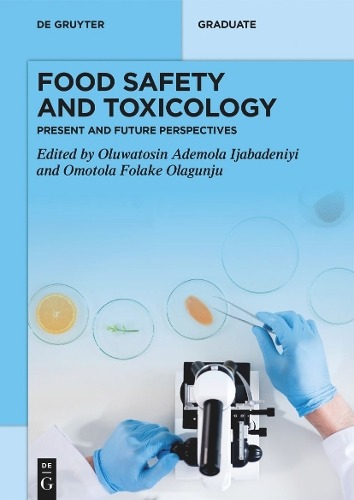
Food safety and toxicology : Present and future perspectives
Safety assurance of consumer goods has become a global challenge. The presence of natural and synthetic contaminants in food compromises food safety and poses a risk to public health. Discusses biological and chemical food contaminants, predictive and detection methods of food toxicants, survival mechanism of food pathogens, legislation on microbial contaminants to prevent public health risks and strategies to mitigate contamination.

Food Safety : A Practical and Case Study Approach
The ISEKI-Food book series is a collection where various aspects of food safety and environmental issues are introduced and reviewed by scientists specializing in the field. In all of the books special emphasis is placed on including case studies applicable to each specific topic. The books are intended for graduate students and senior level undergraduate students as well as professionals and researchers interested in food safety and environmental issues applicable to food safety."ISEKI-Food" is an acronym for "Integrating Safety and Environmental Knowledge Into Food Studies".

Food Price Volatility and Its Implications for Food Security and Policy
This book provides fresh insights into concepts, methods and new research findings on the causes of excessive food price volatility. It also discusses the implications for food security and policy responses to mitigate excessive volatility. The approaches applied by the contributors range from on-the-ground surveys, to panel econometrics and innovative high-frequency time series analysis as well as computational economics methods. It offers policy analysts and decision-makers guidance on dealing with extreme volatility.

Food preservation and safety of natural products
Food Preservation and Safety of Natural Products addresses the most common causes of food spoilage that create significant loss to global food production while also discussing how food serves as a vehicle for the transmission of pathogenic microorganisms responsible for mild to debilitating health conditions in humans. The book provides essential information for food safety professionals on issues relating to foodborne diseases and offers potential solutions by presenting various methods of incorporating natural products in food production to prevent the spread of foodborne pathogenic organisms. The demand for green consumerism and consumers general distaste for synthetic food additives poses a serious challenge to food safety and preservation. Natural products are used as green and sustainable source of bioactive compounds that can be applied in various fields including food. The use of plant and other natural products in food preservation is on the rise, hence this book reviews microbial mediated food spoilage, foodborne pathogens and food contamination and offers applications of natural products in food preservation.

Food powders : Physical properties, processing, and functionality
Food Powders: Physical Properties, Processing, and Functionality is a comprehensive review on the characterization of ingredients, semi-processed and finished products when they are in a powdered form. It includes the description of different industrial unit operations such as drying, grinding, mixing, agglomeration, and encapsulation that supply food powders of different composition and microstructure. It also includes several analytical tools to characterize food powders by their particle size, size distribution, physical properties, and functionality.

Food physics : Physical properties : Measurement and applications
Food Physics deals with the physical properties of food, food ingredients and their measurement. Physical properties of food play a key role in all fields where modern technological processes are applied for the generation of food raw materials and the production of food. The determination of physical properties of food and related products are a pre-requisite for planning, production engineering and automation processes in today’s food, pharmaceutical and cosmetics industries as well as in all related quality control activities.This book describes the principles of food physics starting with the very basics and focuses on the needs of practitioners without omitting important basic principles.

Food nanotechnology
Nanotechnology is increasingly being utilized within the food industry to create innovative products with new or improved properties. This book introduces the history of nanotechnology applications in the food industry. It then discusses the key physicochemical and structural characteristics of the different kinds of nanoparticles found in foods, as well as showing how these characteristics lead to their unique functional attributes. Applications of nanotechnology in the food and agricultural industries are then covered, including the creation of nanopesticides, nanofertilizers, nutrient delivery systems, functional ingredients, smart packaging materials, nanofilters, and sensors, as well as for the conversion of waste materials into value-added products. Finally, the potential toxicity of both organic and inorganic nanoparticles found in foods is critically assessed. The author is a Distinguished Professor of food science who uses physics, chemistry, and biology to improve the quality, safety, and healthiness of foods. He has published over a thousand scientific articles and numerous books in this area and is currently the most highly cited food scientist in the world. He has won numerous awards for his scientific achievements.

Food Materials Science : Principles and Practice
Food manufacture is about producing billions of units of standardized products which must be cheap, nutritious, safe and appealing to the consumer’s taste. Food products are complex multicomponent and structured edible materials that nevertheless must comply with the laws of physics and fundamentals of engineering sciences. In the last 20 years the design of food products with specific functionalities has advanced significantly by the application of scientific knowledge from disciplines such as polymer physics, colloidal and mesoscopic physics, materials science and new imaging and probing techniques borrowed from chemistry, biology and medicine. Our knowledge of the relationship between microstructure, processing, and macroscopic properties continues to increase as the science of food materials advances at a fast pace.

Food lens = فود لينس
Food lens is an innovative application designed to revolutionize dietary management by leveraging advanced image recognition and nutritional analysis. The primary objective of this senior project is to develop a user-friendly tool that identifies various foods through a camera interface and provides detailed nutritional information. This application not only enhances the user's understanding of their dietary intake but also assists in achieving personalized health and fitness goals. The core functionality of Food Lens involves the integration of a robust image recognition system capable of accurately identifying a wide range of foods. Upon identification, the application retrieves comprehensive nutritional data, including calorie content, macronutrient distribution (proteins, fats, carbohydrates), and essential micronutrients (vitamins and minerals). This data is then seamlessly integrated into the user's dietary profile. Food Lens is designed to track the user's daily caloric intake and compare it against personalized recommendations based on age, gender, weight, height, and activity level. By maintaining a dynamic record of consumed foods, the application provides real-time feedback on the user’s nutritional progress. This feature is particularly beneficial for individuals aiming to manage weight, address dietary restrictions, or improve overall health.

Food irradiation
Treatment of food by specific ionizing radiations to improve microbiological safety and storability is one of the most extensively studied technology of the XXth century. However, much of the research has been carried out in laboratories and it is still relatively underutilized commercially. Its application potential is very diverse, from inhibition of sprouting of tubers and bulbs to production of commercially sterile food products. The safety of consumption and wholesomeness of irradiated food have been extensively studied in international cooperations. Numerous international expert groups set up jointly by the FAO, the IAEA and the WHO, or the Scientific Committee on Food of the European Commission concluded that foods irradiated with appropriate technologies are both safe and nutritionally adequate. A Codex General Standard for Irradiated Foods and a Recommended International Code of Practice for Radiation Processing of Food have been developed.
