



Page 2
Page 2

Medicinal spice and condiment crops
Spices are used in small quantities to add flavor, aroma, color, and texture in food preparation. However, spices and condiments have also been recognized as having medicinal value. They have been used traditionally as curative and preventive agents, the bioactive compounds obtained from these plants are used in herbal drug formulations in modern times.
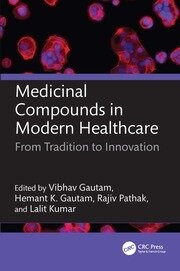
Medicinal compounds in modern healthcare : From tradition to innovation
Reviews the evolution, development, and application of medicinal compounds, beginning with their historical context and advancing to modern innovations. The book describes the therapeutic potential of bioactive compounds from microorganisms, the role of antioxidants and anti-inflammatory agents in managing chronic diseases, and the use of small molecules in pain management and mental healthcare. It further explores immunomodulatory compounds, epigenetic modifiers, and the latest advancements in drug development, including integrative medicine approaches and the applications of nanotechnology in traditional medicine. Additionally, the book addresses the use of immunomodulatory agents like methotrexate and paclitaxel in cancer treatment, regulatory considerations for ensuring safety and efficacy in medicinal compounds, and the growing field of nutraceuticals. Towards the end, the book covers the extraction, profiling, and ADMET evaluation of medicinal compounds, intellectual property challenges, and the significance of traditional medicine in modern healthcare.

Insights into the pharmaceutical and clinical applications of nanoparticles in cancer therapy
Healthcare has long been on a quest for a ‘magic bullet’ to cure the dreaded disease cancer. As this book shows, nanoparticles perfectly fit the bill with their promising characteristics. Meticulously engineered nanostructures, with a useful drug or molecule, target a specific cancer in unique ways. However, as with many targeted systems, the effectiveness of the system needs to be weighed against the adverse effects. The toxicity of nanoparticles has been a worldwide concern, and evidence-based medicine analyses nanostructures for proof of safety and their efficacy in killing cancer cells. This book gives a fresh perspective on a wealth of diverse nanotechnological advances for various cancers.

Inflammation and natural products ; 1st ed.
Brings together research in the area of the natural products and their anti-inflammatory action in medical, nutraceutical and food products, addressing specific chronic inflammatory diseases like cancer and the mechanistic aspects of the mode of action of some key natural products. Inflammation is a complicated process, driven by infection or injury or genetic changes, which results in triggering signalling cascades, activation of transcription factors, gene expression, increased levels of inflammatory enzymes, and release of various oxidants and pro-inflammatory molecules in inflammatory cells. Excessive oxidants and inflammatory mediators have a harmful effect on normal tissue, including toxicity, loss of barrier function, abnormal cell proliferation, inhibiting normal function of tissues and organs and finally leading to systemic disorders. The emerging development of natural product formulations utilizing the unique anti-inflammatory compounds such as polyphenols, polysaccharides, terpenes, fatty acids, proteins and several other bioactive components has shown notable successes.

Ibuprofen : Pharmacology, Therapeutics and Side Effects
Ibuprofen is one of the most successful drugs used worldwide for the treatment of mild to moderate pain and various inflammatory conditions. Over the past 40 years, ibuprofen has been proven to be as safe or even safer and also as effective as the established non-steroidal anti-inflammatory drugs (NSAIDs) and the coxibs. This well-written book reviews the pharmacology, clinical uses and the various adverse effects of Ibuprofen, the disposition and unique modes of action in relation to clinical effects of the drug as well as various formulations. The use of combinations with other drugs (e.g. paracetamol, codeine, caffeine) are critically assessed and the impact of natural products and Chinese Medicines on the safety of ibuprofen.

Ibuprofen : Discovery, development and therapeutics
Ibuprofen has become one of the foremost pain-relieving medications world-wide with its proven safety and efficacy in a wide variety of painful and inflammatory conditions. It has also been widely investigated for application in a variety of painful and non-pain inflammatory states including cancer and neurodegenerative conditions, reflecting the unique and novel properties of the drug that would never have been foreseen from knowledge of the properties when it was initially discovered.

Hydrogels : Design, Synthesis and Application in Drug Delivery and Regenerative Medicine
Hydrogels are crosslinked, macromolecular polymeric materials arranged in a three-dimensional network, which can absorb and retain large amounts of water. Hydrogels are commonly used in clinical practice and experimental medicine for a wide range of applications, including drug delivery, tissue engineering and regenerative medicine, diagnostics, cellular immobilization, separation of biomolecules or cells, and barrier materials to regulate biological adhesions.

Honey and olive oil in diabetic foot therapy
At the beginning of the 21st Century diabetic foot is Observed, although eminently preventable, represent one of the commonest causes of hospital inpatient in Western countries. Diabetic foot is a pathological condition that might affect the feet in patients with diabetes. Foot ulcers are defined as lesions involving a skin break with loss of epithelium: they can extend into the dermis and deeper layers sometimes involving bone and muscle...

Honey : Nutraceutical and therapeutic significance
Contains comprehensive information on honey with regard to its cosmeceutical, nutritional, and pharmacological significance. And providing enormous knowledge about the nutraceutical and the role of different therapeutic strategies across the globe. Each chapter has the latest references and citations so that readers may get the latest knowledge in the field.

Herbs for stress & anxiety : How to make and use herbal remedies to strengthen the nervous system
Treat stress, anxiety, depression, and more with simple herbal remedies that calm your mind, build a healthy nervous system, and promote lasting peace. In this informative guide, renowned herbalist Rosemary Gladstar profiles 21 herbs proven to be effective at soothing common ailments like insomnia, panic attacks, skin conditions, and migraines. With simple directions for making herbal mixtures that can be used in delicious teas, tinctures, and capsules, Gladstar shows you how to harness the power of nature to achieve a more relaxed and fulfilling life.

Herbs for common ailments : How to make and use herbal remedies for home health care
Shows you how to use 56 common herbs to address a wide range of everyday ailments, from burns, wounds, and itchy skin to headaches, congestion, indigestion, strains, bruises, sore throats, coughs, fevers, colic, cramps, and insomnia. She also shows you how to stock a simple first-aid kit with safe, effective herbal remedies.

Herbals as nutraceuticals : Their role in healthcare
Herbal nutraceuticals demonstrate a variety of therapeutic benefits and have been found to prevent, treat, and even cure a range of diseases. This new book provides insight into nutraceuticals and their function in human health, highlighting their antimicrobial and immune-inflammatory properties. It describes the nutraceutical properties of various medicinal herbs and details the role of nutraceuticals in treating diseases such as Alzheimer's, Parkinson's, obesity, diabetes, cancer, cardiovascular diseases, skincare issues, and more.
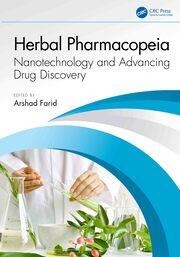
Herbal pharmacopeia : Nanotechnology and advancing drug
Explores the intersection between traditional herbal medicine and cutting-edge nanotechnology. The chapters introduce modern techniques used in herbal extraction and analysis. The principles of drug discovery from plants are discussed, with a focus on the identification and development of bioactive compounds that have therapeutic potential. It discusses the pharmacological properties, biotechnological approaches in drug development, and challenges in the formulation and standardization of herbal medicines. Emerging trends and applications of nanotechnology in herbal pharmacotherapy, such as nanoparticle synthesis, enhanced bioavailability using nanocarriers, safety assessments, novel and targeted delivery systems, and regulatory considerations, are thoroughly discussed. Additionally, it includes a comparative analysis of traditional and nano-formulated approaches and their implementation in clinical settings. Towards the end, the book reviews the regulatory considerations for herbal products and future perspectives in herbal pharmacopeia. This book is intended for researchers, clinicians, and professionals in herbal medicine, pharmacology, and nanotechnology.

Herbal antivirals : Natural remedies for emerging & resistant viral infections ; 2nd ed.
Viruses are smart, mutating, and becoming resistant to antiviral pharmaceuticals. Global crises such as COVID-19, SARS, and dengue feaver spread more quickly than we can develop medicines to fight them. Herbalist and best-selling author Stephen Harrod Buhner has studied the antiviral properties of plants for many years. In this comprehensive guide, he profiles the plants that have proven most effective in fighting viral infections and provides in-depth instructions for preparing and using formulations to address the most common infections and strengthen immunity, safely and naturally. The updated 2nd edition includes an expanded guide to COVID-19, including a review of the most up-to-date medical research and the plant medicines that have been found to be most potent in preventing infection, lessening the impact of the virus on the body, and addressing longer-term effects and co-infections.

Herbal antibiotics : Natural alternatives for treating drug-resistant bacteria ; 2nd ed.
Health care providers have discovered many new resistant strains of bacteria, researchers have added to the growing body of knowledge about herbs, and the need for antivirals to treat emerging infections like SARS and West Nile Encephalitis has become urgent. Within ten years, according to sources cited in the book, pharmaceutical antibiotics will begin to fail at epidemic rates. There are, in fact, no new antibiotics currently in planning or development at any of the major pharmaceutical companies. Most notably, there is none for Gram-negative bacteria, which are emerging as the most dangerous pathogens.

Healing with the Herbs of Life : Hundreds of Herbal Remedies, Therapies, and Preparations
Offers clear and concise explanations of how and why herbs heal. It also provides step-by-step instructions for creating your own herbal remedies, therapeutic approaches you can use at home, and easy-to-follow guidelines for gathering, preparing, purchasing, and storing herbs. Previously published as The Herbs of Life, this completely revised and updated edition synthesizes the great herbal traditions of China and India with Western herbology to form a new kind of planetary herbal. - Features a new chapter on treating specific conditions, expanded chapters in Materia Medica and the energy of food, and revised chapters on living with the seasons and home therapies - With new information on herbal safety and drug/herb interactions. - The previous edition, The Herbs of Life, sold 45,000 copies.

Garlic Extract : Interaction with mechanisms of bacterial resistance
Garlic (Allium sativum) is a medicinal plant which has a diverse biological activities including antioxidant activity, antimicrobial activity, anticancer activity and others… In this article we are focusing on its antimicrobial effect which had been tested individually and in combination with two resisted antibiotics (Ampicillin, Ciprofloxacin) on 3 gram negative bacteria (Proteus mirabilis, klebsiella pneumoniae and Enterobacter aerogenes) to estimate the effect of garlic extract on the activity of the resisted drugs and bacterial resistance mechanism.

Fundamentals of operative dentistry : A contemporary approach
Updated with full-color illustrations throughout and substantial revisions in every chapter to incorporate the latest scientific developments and current research findings. In addition, new chapters on color study and shade matching address new areas of focus in the preclinical curriculum. A valuable resource for understanding the scientific basis for current treatment options in dentistry.
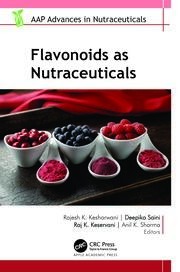
Flavonoids as nutraceuticals
Flavonoids are well-known plant metabolites that have extraordinary properties that can be used for treating health issues. The pharmaceutical importance of flavonoids is due to their anti-depressant, anti-viral, anti-inflammatory, and antioxidant capacities. They are also of great importance when it comes to neuroprotection, cardiovascular disorders, and many types of cancer. Flavonoids are also easily available and produce less harmful side effects than some conventional therapeutics. This new volume examines the growing use of flavonoids for prevention and treatment of diseases and discusses their beneficial mechanisms. Chapters in the volume address diverse uses as anti-aging tools, as anti-inflammatory agents, for treating pregnancy-induced disorders, as a promising tool to combat infection of Covid-19, etc. The book explores their specific therapeutic antiviral potentials, the gene expression by flavonoids, and the role of flavonoids in agriculture.

Feldman and Pike's vitamin D; Vol. 2 : Health, disease and therapeutics
Covers the evidence for new roles of vitamin D, ranging from organ transplantation to cancer, diabetes, inflammatory bowel disease, multiple sclerosis, and renal disease. The coverage is appropriately broad, drawing on aspects of internal medicine, pediatrics, nutrition, orthopedics, oncology, neurology, obstetrics and gynecology, and immunology, as well as, new areas for vitamin D including sports medicine, opthalmology, veterinary medicine and ICU care – including COVID-19. Clinical researchers will gain a strong understanding of the molecular basis for a particular disease and better understand future directions for research in this still-growing field.
