


Refine Results
Sort By
From
To

Covers delivery strategies of cancer vaccines for the management of various forms of carcinoma, examining the prospects of delivering immuno-oncology therapies, focusing specifically on effective drug delivery strategies for the treatment of lung, prostate, and pancreatic carcinomas.
Deals with different strategies of cancer vaccine development, focusing on techniques for the development of therapeutic cancer vaccines and the roles of tumor antigens, proteins/peptides, microbial genes, and stem cells for the development of vaccines for cancer management.
the authors collectively provide the current status of proteomics in cancer therapy and offers the existing technologies used in proteomics that allow for protein profiling and for the identification of druggable targets in human samples. Mass spectrometry based protein characterization and protein microarrays hold great promise of predicting response to specific drugs in cancer therapy. Insightful to the reader with broad perspectives on topics related to the use of proteomic strategies in cancer therapy, Cancer Proteomics offers anticipated challenges that may arise from its application in daily practice.
The chapters highlight the initial efforts of this Committee in addressing the scope of the problem of adolescent and young adult underrepresentation in clinical trials and offer evidence that such adiscrepancy may partially explain outcome differences.In addition, these chapters present information about biologic differences between specific cancer subtypes most common in younger children and those exhibited by the same cancers in adolescents and young adults, and offer plausible explanations for outcome differences as well as potential treatment strategies.
the authors comprehensively review the anticancer genes and gene delivery methods currently available for cancer gene therapy, including the transfer of genetic material into the cancer cells, stimulation of the immune system to recognize and eliminate cancer cells, and the targeting of the nonmalignant stromal cells that support their growth. They also thoroughly examine the advantages and limitations of the different therapies and detail strategies to overcome obstacles to their clinical implementation
Etablir un diagnostic précoce, définir une stratégie adaptée et offrir une meilleure qualité de vie chez le sujet âgé atteint de cancer constituent les défis de l’Oncologie de ce début de siècle. Cet ouvrage a pour objectif de proposer aux médecins et aux étudiants un condensé des différents aspects de l’oncologie sur le sujet âgé. Dans une première partie, les aspects épidémiologiques et biologiques ainsi que l’évaluation gériatrique multiparamétrique sont abordés. Les particularités de l’application de la chimiothérapie, de la radiothérapie et de la chirurgie au sujet âgé sont passées en revue. Dans une troisième partie, la stratégie thérapeutique multidisciplinaire est ensuite détaillée par site.
These days are an opportunity to remind and persuade those less convinced that the treatment of this very particular phase of the disease is not limited to a score played by a few speakers or even by medical oncologists alone; but on the contrary, we must bring into play a truly philharmonic polyphonic ensemble, united around the patient and comprising all the players in multidisciplinary care: general practitioner, surgeon, radiotherapist, imaging specialist, gynecologist, general practitioner, psychologist, algologist, supportive care workers ...
The ever-changing regulations for clinical trials and the ethical dilemma of treating cancer patients as subjects have made it ever so difficult for the principal investigators to conduct clinical research, especially when they are often ill-informed of the complex nature of the regulations and over-worked. Therefore, cancer clinical trials are at a critical junction. The objective of this book is to bring the issues of cancer clinical trials into focus so that proactive strategies may be developed to make such trials more user-friendly. Ultimately, the cancer patients will be benefited.
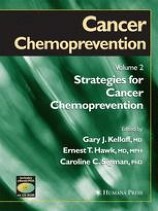
In Cancer Chemoprevention, Volume 2: Strategies for Cancer Chemoprevention, leading chemopreventives investigators comprehensively describe the exciting methodologies that are accelerating progress in the chemoprevention field and review the state of clinical development of preventive agents in the major human cancer target organs. The authors provide sound guidelines for cancer chemopreventive drug development, detailing general strategies and methods for drug discovery, preclinical efficacy, characterization of precancers, safety evaluation of clinical cohorts, and clinical trial design.
Offers a comprehensive collection of review and case chapters that cover cadmium toxicity and remediation. It covers sources of cadmium contamination, its impact on human health, and prospective remediation strategies, taking a multi-disciplinary approach a focus on application of recent advanced biological technology. The chapters here bring together a diverse group of environmental science, sustainability and health researchers to address the challenges caused by cadmium contamination, explaining the routes of exposure to environmental cadmium, how cadmium is transported in ecosystems, and the health risks linked to cadmium exposure in food and the environment.

Contemporary research on genetic control of disease-transmitting insects knows two kinds of scientists: those that work in the laboratory and those known as ‘field people’. Over the last decade, both groups seem to have developed differing research priorities, address fundamentally different aspects within the overall discipline of infectious-disease control, and worse, have developed a scientific ‘language’ that is no longer understood by the ‘other’ party. This gap widens every day, between the North and the South, between ecologists and molecular biologists, geneticists and behaviourists, etc. The need to develop a common research agenda that bridges this gap has been identified as a top priority by all parties involved. Only then shall the goal of developing appropriate genetic-control strategies for vectors of disease become reality.
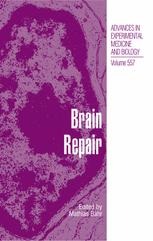
Brain Repair, addresses all relevant issues underlying the mechanisms of brain damage, brain plasticity and post-traumatic reorganisation after CNS lesions. This book is divided the three major sections that follow; cellular and molecular basis of brain repair, plasticity and reorganisation of neural networks, and experimental therapy strategies. Brain Repair is written by high profile, international experts who describe in detail the newest results from basic research and highlight new model systems, techniques and therapy approaches. Based on a careful analysis of the cellular and molecular reaction patterns of the CNS to lesions, the contributions cover possibilities for endogenous reorganisation and repair as well as exciting new therapies emerging from basic research, some of which have already been introduced into the clinics.

Clinical osteology is now an independent specialty which nevertheless encompasses all branches of medicine and effects each and every one of us: Bone is Every Body´s Business: This book has been designed as an up to date manual to deal with the currently recognized indications for bisphosphonates, to outline situations and conditions for prevention of skeletal disorders, and to provide practical guidelines for treatment. It is intended for doctors who seek precise information on bisphosphonates in medical practice to enable them to treat patients with disorders of bone or better still to avoid their occurrence .

Since the terrorist attack on the United States on September 11, 2001 and subsequent cases of anthrax in Florida and New York City, attention has been focused on the threat of b- logical warfare and bioterrorism. Biological warfare agents are de?ned as “living org- isms, whatever their nature, or infected material derived from them, which are used for h- tile purposes and intended to cause disease or death in man, animals and plants, and depend for their efforts on the ability to multiply in person, animal or plant attacked.” Biological warfare agents may be well suited for bioterrorism to create havoc and terror in a civilian population, because they are cheap and easy to obtain and dispense. Infectious or contagious diseases have played a major part in the history of warfare – deliberately or inadvertently – in restricting or assisting invading armies over the centuries. In 1346, the Tartars catapulted plaque-infected bodies into Kaffa in the Crimea to end a 3-year siege. Blankets contaminated with smallpox to infect North American Indians were used by British forces in the 18th century. More recently, the Japanese released ?eas infected with plaque in Chinese cities in the 1930s and 1940s. Biological research programs for both offensive and defensive strategies have been developed by the United States, Britain, the former Soviet Union, and Canada; several other nations are thought to have such programs.
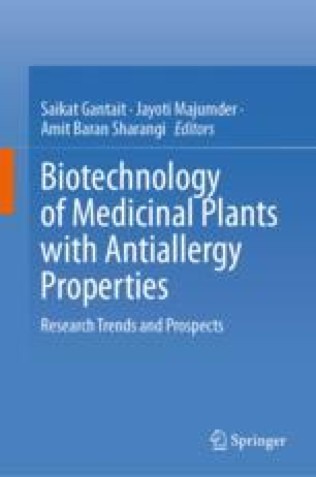
Covers critically investigated information on medicinal plants prioritized for their anti-allergy properties. It offers insights into strategies related to the distribution, mechanism of action, and assessment of antiallergic medicinal plants, and also delves into crucial aspects of modern biotechnological tools, addressing their implementation challenges, presenting innovative approaches through case studies, and exploring opportunities for nanotechnologies. These elaborated discussions aim to raise awareness and bridge the gap between human health and the biodiversity of antiallergic medicinal plants.
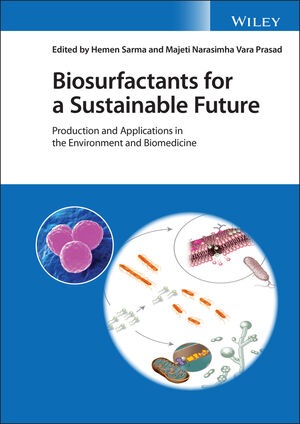
The book emphasizes the different techniques that are used for the production of biosurfactants from microorganisms and their characterization. Various aspects of biosurfactants, including structural characteristics, developments, production, bio-economics and their sustainable use in the environment and biomedicine, are addressed, and the book also presents metagenomic strategies to facilitate the discovery of novel biosurfactants producing microorganisms.
This book introduces fundamental concepts, methods, and advances in the areas of dissolution, absorption, and permeability and their key applications in dosage form performance. Case studies are used to discuss the applications of biopharmaceutic strategies in the development of successful drugs, with a specific focus on the applications of biopharmaceutic strategies in the development of successful drugs. The book presents an integrated view in linking pharmaceutic to the biological consequences of drug products and leverages those for decision making in drug development.
Biopharmaceutical Processing: Development, Design, and Implementation of Manufacturing Processes covers bioprocessing from cell line development to bulk drug substances. The methods and strategies described are essential learning for every scientist, engineer or manager in the biopharmaceutical and vaccines industry. The integrity of the bioprocess ultimately determines the quality of the product in the biotherapeutics arena, and this book covers every stage including all technologies related to downstream purification and upstream processing fields. Economic considerations are included throughout, with recommendations for lowering costs and improving efficiencies.
Source of the latest innovative research and technical development in biomanufacturing systems. It is organised into 2 parts: 1) Manufacturing of recombinant therapeutic proteins (e.g. therapeutic antibodies, biosimilars/biogenerics) and 2) Manufacturing aspects of cell and gene therapy. Each with selected chapters on the following topics for both up- and downstream, such as: Advanced process strategies, especially continuous manufacturing, Advanced culture techniques, especially single-use systems, Process transfer, scale-up/scale-down models, Processing advances/Manufacturing productivity/efficiency, Model-assisted process understanding and development/Digital Twins, Process controls and analytics, Quality control, Quality by design, Facility design and full-scale commercial systems, manufacturing technology innovation.
Helping to accelerate Alzheimer’s disease drug development. Addressing the latest advances in preclinical and clinical research, including new insights into the molecular mechanisms and emerging therapeutic strategies, the book continues by exploring digital biomarkers and advanced neuroimaging analysis which will transform how clinical trials in the Alzheimer’s disease field are performed.

Daraa Highway - Ghabagheb - Syria
+963-15 2050 - 15 860 380 /1/2/3 - 11 662 3900