


Refine Results
Sort By
From
To

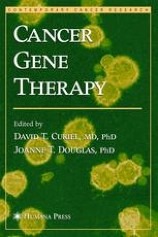
the authors comprehensively review the anticancer genes and gene delivery methods currently available for cancer gene therapy, including the transfer of genetic material into the cancer cells, stimulation of the immune system to recognize and eliminate cancer cells, and the targeting of the nonmalignant stromal cells that support their growth. They also thoroughly examine the advantages and limitations of the different therapies and detail strategies to overcome obstacles to their clinical implementation
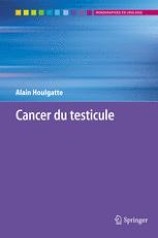
Testicular cancer has benefited from important therapeutic advances radically transforming its prognosis. Recent protocols have led to the development of treatments that maintain therapeutic efficacy while favoring quality of life and minimizing the sequelae (such as fertility disorders) in these often young men. This book discusses the various technical advances both in the field of diagnosis - with the contribution of modern imaging and anatomopathology - and therapy. The place of chemotherapy as well as that of surgery are largely detailed, thus placing the urologist at the heart of the multidisciplinary team taking care of these patients. Quality of life is also discussed by taking into account the impact of the treatment of these tumors on the fertility of these young patients.
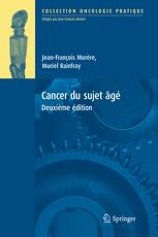
Etablir un diagnostic précoce, définir une stratégie adaptée et offrir une meilleure qualité de vie chez le sujet âgé atteint de cancer constituent les défis de l’Oncologie de ce début de siècle. Cet ouvrage a pour objectif de proposer aux médecins et aux étudiants un condensé des différents aspects de l’oncologie sur le sujet âgé. Dans une première partie, les aspects épidémiologiques et biologiques ainsi que l’évaluation gériatrique multiparamétrique sont abordés. Les particularités de l’application de la chimiothérapie, de la radiothérapie et de la chirurgie au sujet âgé sont passées en revue. Dans une troisième partie, la stratégie thérapeutique multidisciplinaire est ensuite détaillée par site.
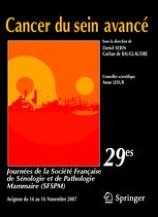
These days are an opportunity to remind and persuade those less convinced that the treatment of this very particular phase of the disease is not limited to a score played by a few speakers or even by medical oncologists alone; but on the contrary, we must bring into play a truly philharmonic polyphonic ensemble, united around the patient and comprising all the players in multidisciplinary care: general practitioner, surgeon, radiotherapist, imaging specialist, gynecologist, general practitioner, psychologist, algologist, supportive care workers ...
Description and analysis of recent developments and current trends in health policy with regard to cancer drug safety. Opens with an overview of pharmacovigilance for cancer blockbuster drugs, covering both general considerations and efforts to develop a structured framework for the identification and reporting of adverse drug reactions (ADRs). A number of important examples of serious ADRs to hematology and oncology drugs are then reviewed, with evaluation of the lessons learned and the policy implications of the ensuing legal cases and their settlements. Further, the difficulty of reporting such blockbuster side effects in the medical literature is explored in an empirical study. Significant advances have been achieved in analytic methods for the identification of ADRs, and here there is a particular focus on the value of optimal discriminant analysis. Finally, the impacts on pharmacovigilance and drug safety of the huge fines paid under the U.S. False Claims Act relating to the defrauding of governmental programs also receive careful attention – these fines are playing an important role in changing the landscape for pharmaceutical safety.
In Cancer Drug Resistance, leading scientists from the best academic institutions and industrial laboratories summarize and synthesize the latest discoveries concerning the changes that occur in tumor cells as they develop resistance to a wide variety of anticancer therapeutics, as well as suggest new approaches to the biology of drug resistance that may afford new therapeutic opportunities.
This book summarises the whole range of systemic cancer therapies, explaining their mode of action and potential side-effects, as well as their clinical applications.
In Cancer Chemoprevention, Volume 2: Strategies for Cancer Chemoprevention, leading chemopreventives investigators comprehensively describe the exciting methodologies that are accelerating progress in the chemoprevention field and review the state of clinical development of preventive agents in the major human cancer target organs. The authors provide sound guidelines for cancer chemopreventive drug development, detailing general strategies and methods for drug discovery, preclinical efficacy, characterization of precancers, safety evaluation of clinical cohorts, and clinical trial design.
Tumors can be induced by a variety of physical and chemical carcinogens. The resulting tumor cells are usually abnormal in their morphology and behavior and transmit their abnormalities to their daughter tumor cells. Most theories of the pathogenesis of tumors suggest that carcinogens in some way cause alterations either of the genomes or of inheritable patterns of gene expression in normal cells, which then cause morphological and behavioral changes. This volume presents a collection of articles aimed at the question by what genetic or epigenetic mechanisms carcinogens can cause morphological abnormalities of tumor cells. It includes reviews of cellular targets of known carcinogens, and presents varying viewpoints of how morphological abnormalities and the actions of carcinogens might be related.
This topic is a new entry in the area of cellular calcium signaling: yet, it now spans the entire area, with discoveries that cover both genetic and acquired pathologies, even offering glimpses in the direction of therapy.Cellular calcium homeostasis, and thus calcium signalling, is mainly regulated by membrane intrinsic proteins and calcium sensor proteins. Both classes may be involved in pathological processes that affect both human and animals, ranging from common and important diseases (e.g. migraine, diabetes, epilepsia, manic depression, infertility, various types of cancer, Alzheimer’s disease, muscular dystrophy) to rare genetic conditions (e.g., a number of genetic heart conditions, autoimmune retinopathies, night blindness, hereditary amyloid polyneuropathy, malignant hyperthermia, cerebellar ataxia, atherothrombotic disease).

Offers a comprehensive collection of review and case chapters that cover cadmium toxicity and remediation. It covers sources of cadmium contamination, its impact on human health, and prospective remediation strategies, taking a multi-disciplinary approach a focus on application of recent advanced biological technology. The chapters here bring together a diverse group of environmental science, sustainability and health researchers to address the challenges caused by cadmium contamination, explaining the routes of exposure to environmental cadmium, how cadmium is transported in ecosystems, and the health risks linked to cadmium exposure in food and the environment.

This book comes after several decades of outstanding and successful research that has helped ameliorate some of the most important and controversial fisheries issues in the world – those associated with the unwanted wastage of fish from by-catch and discarding. The 8 chapters encompass contributions from 27 of the world’s leading experts in by-catch reduction. They take the reader through most aspects of the field at a variety of scales and viewpoints. They examine the methodologies used to develop by-catch reduction techniques and provide new avenues for assisting and broadening such work. Case studies are provided that encompass most of the world’s fishing techniques and regions.
A major objective of this book is to summarize the current status of Buruli Ulcer (BU) research for the first time. It will identify gaps in our knowledge, stimulate research and support control of the disease by providing insight into approaches for surveillance, diagnosis, and treatment of Buruli Ulcer. Book chapters will cover the history, epidemiology diagnosis, treatment and disease burden of BU and provide insight into the microbiology, genomics, transmission and virulence of Mycobacterium ulcerans.
It is one of the major "classics" of the neurological world. Even today it forms the basis for so-called "localisation" of function in the cerebral cortex. Brodmann's "areas" are still used to designate functional regions in the cortex, the part of the brain that brings the world that surrounds us into consciousness, and which governs our responses to the world. For example, we use "area 4" for the "motor" cortex, with which we control our muscles, "area 17" for "visual" cortex, with which we see, and so on. This nomenclature is used by neurologists and neurosurgeons in the human context, as well as by experimentalists in various animals. Indeed, Brodmann's famous "maps" of the cerebral cortex of humans, monkeys and other mammals must be among the most commonly reproduced figures in neurobiological publishing. The most famous of all is that of the human brain. There can be few textbooks of neurology, neurophysiology or neuroanatomy in which Brodmann is not cited, and his concepts pervade most research publications on systematic neurobiology.

Contemporary research on genetic control of disease-transmitting insects knows two kinds of scientists: those that work in the laboratory and those known as ‘field people’. Over the last decade, both groups seem to have developed differing research priorities, address fundamentally different aspects within the overall discipline of infectious-disease control, and worse, have developed a scientific ‘language’ that is no longer understood by the ‘other’ party. This gap widens every day, between the North and the South, between ecologists and molecular biologists, geneticists and behaviourists, etc. The need to develop a common research agenda that bridges this gap has been identified as a top priority by all parties involved. Only then shall the goal of developing appropriate genetic-control strategies for vectors of disease become reality.

New findings in brain research are being revealed on an almost daily basis, and the focus of this book is the fields of breathing, neuroprotection, and higher brain functions. An unresolved issue within respiration research and hence a topic of much interest is Where and how respiratory rhythm is generated in the brainstem, detailed analysis of which is presented herein. Chapters on neuroprotection examine the functional significance of the blood – brain barrier as an interface of blood and the central nervous system; other chapters look at health and disease in relation to the hypothalamic and limbic systems. In addition to animal experiments, research on the human brain is included, with a focus on the recently developed EEG/dipole tracing method. This book will be an invaluable reference for researchers in neuroscience and related fields.
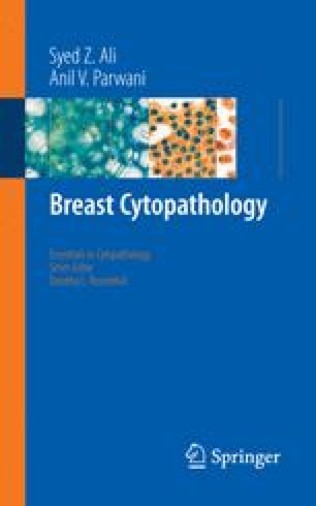
Breast Cytopathology by Syed Ali, MD and Anil Parwani, MD will fulfill the need for an easy-to-use and authoritative synopsis of breast cytopathology. This volume, part of the Essentials in Cytopathology book series, fits into the lab coat pocket and is ideal for portability and quick reference. Each volume in the series is heavily illustrated with a full color art program, while the text follows a user-friendly outline format.
Focuses on innovative treatment options for breast cancer, including surgery, radiotherapy, systemic therapy and of course immunotherapy that is changing outcomes in some aggressive breast cancer histotypes. Subsequent chapters also address the ongoing emerging research in the screening, diagnostics, and management of all subtypes of breast cancers. All current landscapes and future perspectives in each molecular subtype: luminal, HER2-positive, and triple-negative breast cancers are discussed within the different chapters. Breast cancer is still the most common cancer and cause of cancer deaths among women worldwide. The improvement of breast cancer outcome appears to be strictly related to the validation of precise biomarkers that enable us to better select personalized approaches in breast cancer management. The closing chapters deal with the challenges of low income countries of conducting research in the era of precision medicine for cancer. The book is edited and authored by leading experts in this field and will be of interest for clinicians and scientists alike
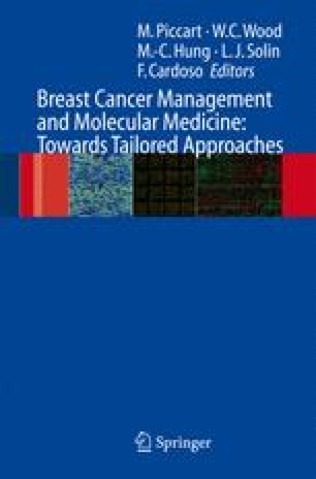
This book provides an overview of the most recent techniques, agents and approaches for breast cancer that contribute to the individualization of treatment. Current biomedical research focuses on facilitating the transfer of molecular biology knowledge into the clinical management of patients, leading to increased survival as well as improved quality of life. Particular attention is given in this book to organ-specific tailored approaches, specific populations, patients’ preferences and rehabilitation.
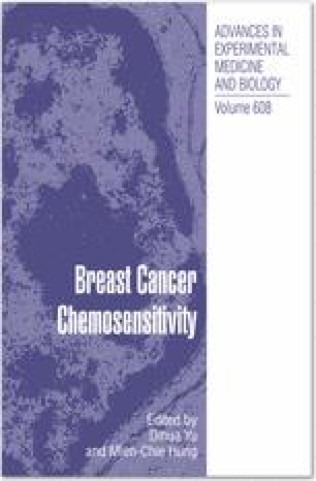
In Breast Cancer Chemosensitivity, a group of world leading experts review critical aspects of resistance to systemic therapy in breast cancer patients. Beginning with a clinical overview of the problem Breast Cancer Chemosensitivity moves on to focus on the latest findings of molecular mechanisms of drug resistance. These include in-depth discussions on multidrug resistance by P-glycoprotein and the multidrug resistance protein family, resistance to therapeutic agent-induced apoptosis, cell cycle deregulation, deregulation of DNA repair, loss of tumor suppressor genes, integrin-mediated adhesion, insulin-like growth factors, epidermal growth factor, and ErbB2 in modulating breast cancer response to systemic therapy, especially, certain chemotherapeutic agents. Breast Cancer Chemosensitivity provides an example of using novel approaches for chemosensitization of breast cancer cells that gives readers an idea about the future direction in breast cancer treatment.

Daraa Highway - Ghabagheb - Syria
+963-15 2050 - 15 860 380 /1/2/3 - 11 662 3900