


Refine Results
Sort By
From
To


This book follows "Bio-mechanisms of Animals in Swimming and Flying" published in 2004 including 11 chapters. This time, the book includes 31 chapters on the latest researches into natural autonomous systems and locomotion in both flying and swimming organisms. The area of sports science such as analysis and simulation of human swimming is newly added. The computational frameworks for the modeling, simulation and optimization of animals in swimming and flying demonstrate an important role in the progress of interdisciplinary work in the fields of biology and engineering. An innovative technology is exhibited for the flight of an insect size micro air vehicle. Neuronal science is not only unveiling the locomotion mechanisms of swimming in fish from the aspect of the neuronal activities, but also applied to underwater biomimetic robots. The interdisciplinary works are exhibited in the fields of biology and engineering, yielding real-world benefits in innovative technologies.
Examines the current state of the field within pharmaceutical sciences and concisely explains the history of biomaterials including key developments. Written by experts in the field, this volume within the Advances in Pharmaceutical Product Development and Research series deepens understanding of biomaterials and bionanotechnology within drug discovery and drug development. Each chapter delves into a particular aspect of this fast-moving field to cover the fundamental principles, advanced methodologies and technologies employed by pharmaceutical scientists, researchers and pharmaceutical industries to transform a drug candidate or new chemical entity into a final administrable dosage form, with particular focus on biomaterials and bionanomaterials. This book provides a comprehensive examination suitable for researchers working in the pharmaceutical, cosmetics, biotechnology, food and related industries as well as advanced students in these fields.
This volume describes the current status of the biology of inositols and phosphoinositides with an emphasis on the development in the area since the publication of volume 26 in 1996 in this series. The progress made in dissecting the genetics, structure and evolution of the seminal enzyme for synthesis of inositol in the biological system has driven the understanding of the enzyme forward. With the current genomic and proteomic tools in place the new role of inositols, inositol phosphates and phosphoinositides in cell signaling or stress response has been explored. These advances are described.

This book presents a concise and comprehensive review of the biology, ecology, and management of Norway spruce. It integrates classic and contemporary literature (more than 2000 works cited in the text), highlighting basic research and forestry practices in central and eastern Europe. The topics include anatomy and morphology, physiology and nutrition, reproductive biology and genetics, and ecology. In addition, it examines mycorrhiza, diseases and pests as well as silviculture and wood products. In the light of increasing threats to forest health from air pollution, climate change, and insects and disease, it provides an essential information source to those concerned with the ecology, conservation, and management of the species
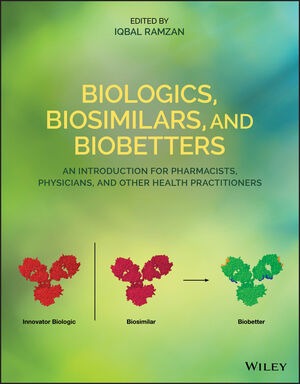
Explains what pharmacists need to discuss the equivalence, efficacy, safety, and risks of biosimilars with physicians, health practitioners, and patients about Guides regulators on pragmatic approaches to dealing with these drugs in the context of rapidly evolving scientific and clinical evidence Balances scientific information on complex drugs with practical information, such as a checklist for pharmacists
This book provides sought-after guidance to primary care physicians on preparing for and responding to terrorist events. Chapters offer a fundamental understanding of the epidemiology and relevant clinical aspects of diseases caused by biological agents (anthrax, plague, smallpox, botulism, tularemia, and hemorrhagic viruses), chemical agents (nerve and blister), and radiological agents. The text details how to detect terrorist-caused illness as early as possible, how to provide defensive or preventive therapy, and how to triage and treat ill patients. Emphasis is placed on addressing both the physical and psychological impact on patients and providers.

Covers aspects of fundamental and applied nitrogen-fixation research, from biochemistry and chemistry through genetics, regulation and physiology to agricultural practice and environmental impact. This work describes progress on studies of potential catalysts for nitrogen fixation; how the N2-fixing process is regulated in living cells; and more.

Biological Low-Voltage Scanning Electron Microscopy is the first book to address both of these aspects of biological LVSEM. After providing a thorough description of the unique advantages and the operating constraints related to operating a scanning electron microscope at low beam voltage, the remainder of book focuses on the the best way to image all types of plant and animal cells and covers specimens that range from macromolecules to the surfaces revealed by de-embedding resin-embedded samples. Advanced specimen preparation techniques such as cryo-LVSEM, and immuno-gold-LVSEM are fully covered, as is x-ray microanalysis at low beam voltage and live-time stereo imaging. The preparative protocols provided represent the distilled essence of the experience of a group of world-renowned authors who have, for many decades, been instrumental in developing and applying new approaches to LVSEM to support their own biological research.

This book presents a comprehensive account of all aspects of biological invasions in South Africa, where research has been conducted over more than three decades, and where bold initiatives have been implemented in attempts to control invasions and to reduce their ecological, economic and social effects.

Man’s recent colonization of New Zealand has dramatically altered the resident biota and resulted in the introduction of numerous alien organisms to these once remote islands. In reverse, there is increasing evidence of a lesser known export of species to other regions of the world. This volume presents an in-depth review of the level and rate of such invasions, and investigates what controls the success of invaders and the consequences for ecosystems both on land and offshore. It provides invasion biologists everywhere with tests of current theories about those factors leading to the success of invaders as well as evaluating principles for understanding the nature of their impacts that form a solid basis for the effective management of biological invasions worldwide.
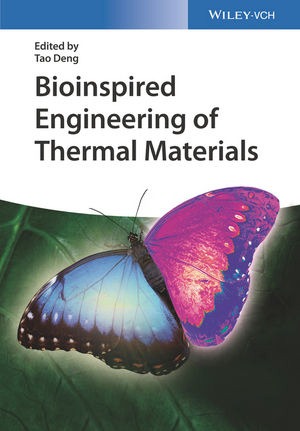
A comprehensive overview and summary of recent achievements and the latest trends in bioinspired thermal materials. Following an introduction to different thermal materials and their effective heat transfer to other materials, the text discusses heat detection materials that are inspired by biological systems, such as fire beetles and butterflies. There then follow descriptions of materials with thermal management functionality, including those for evaporation and condensation, heat transfer and thermal insulation materials, as modeled on snake skins, polar bears and fire-resistant trees.
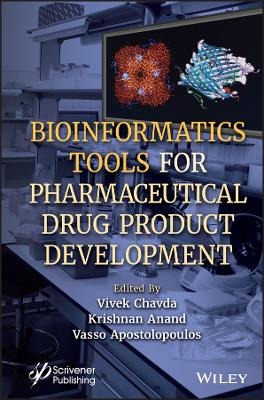
Presents the latest information on bioinformatics tools, artificial intelligence, machine learning, computational methods, protein interactions, peptide-based drug design, and omics technologies. And include bioinformatics tools for the pharmaceutical sector and the healthcare sector. Bioinformatics brings a new era in research to accelerate drug target and vaccine design development, improving validation approaches as well as facilitating and identifying side effects and predicting drug resistance. As such, this will aid in more successful drug candidates from discovery to clinical trials to the market, and most importantly make it a more cost-effective process overall.
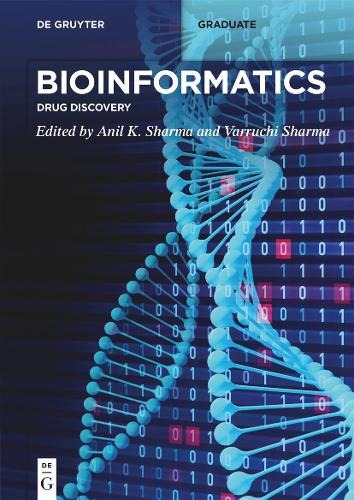
Quantitative tools are becoming increasingly important in order to understand complex cascade of signal transduction events, pathways or biochemical reactions. The book showcases how computational techniques and algorithms are applied to biological data analysis, interpretation, and modelling. It covers applications in drug design and discovery, immune systems, phylogenetic analysis and protein structures.
Collaborative research in bioinformatics and systems biology is a key element of modern biology and health research. This book highlights and provides access to many of the methods, environments, results and resources involved, including integral laboratory data generation and experimentation and clinical activities. Collaborative projects embody a research paradigm that connects many of the top scientists, institutions, their resources and research worldwide, resulting in first-class contributions to bioinformatics and systems biology. Central themes include describing processes and results in collaborative research projects using computational biology and providing a guide for researchers to access them. The book is also a practical guide on how science is managed. It shows how collaborative researchers are putting results together in a way accessible to the entire biomedical community.
offers both the physician and researcher a critical survey of the best new technologies for studying neurodegeneration, as well as describing their optimal use in the diagnosis and treatment of specific neurodegenerative diseases
This book provides students and researchers in the life sciences with essential practical information on how to quantitatively analyze data images. It refrains from focusing on theory, and instead uses practical examples and step-by step protocols to familiarize readers with the most commonly used image processing and analysis platforms such as ImageJ, MatLab and Python.

The book includes 22 chapters by 28 authors united by the single theme: biogeography and ecology of Bulgaria. From the single-celled organisms in the Black Sea sand to the endemic cave crustaceans, from the mountain glacial relict insects to the most diverse bird fauna in Europe, the unique fauna of Bulgaria has been a subject of study of mostly Bulgarian zoologists for more than a century. This is the first monograph in English broadly addressing all vertebrate and many key invertebrate groups of Bulgaria, their faunistics, origin, geographical and ecological distribution, and conservation issues are addressed by the experts on each group.
This open access book presents a comprehensive analysis of biofuel use strategies from an interdisciplinary perspective using sustainability science. This interdisciplinary perspective (social science-natural science) means that the strategies and policy options proposed will have significant impacts on the economy and society alike. Biofuels are expected to contribute to reducing greenhouse gas emissions, revitalizing economies in agricultural communities and alleviating poverty. However, despite these anticipated benefits, international organizations such as the FAO, OECD and UN have published reports expressing concerns that biofuel promotion may lead to deforestation, water pollution and water shortages. The impacts of biofuel use are extensive, cross-sectoral and complex, and as such, comprehensive analyses are required in order to assess the extent to which biofuels can contribute to sustainable societies.

This book offers a framework for understanding how the Holocaust has shaped and continues to shape medical ethics, health policy, and questions related to human rights around the world. The field of bioethics continues to face questions of social and medical controversy that have their roots in the lessons of the Holocaust, such as debates over beginning-of-life and medical genetics, end-of-life matters such as medical aid in dying, the development of ethical codes and regulations to guide human subject research, and human rights abuses in vulnerable populations. As the only example of medically sanctioned genocide in history, and one that used medicine and science to fundamentally undermine human dignity and the moral foundation of society, the Holocaust provides an invaluable framework for exploring current issues in bioethics and society today. This book, therefore, is of great value to all current and future ethicists, medical practitioners and policymakers – as well as laypeople.

This book addresses a variety of issues relating to bioethics, in order to initiate cross-cultural dialogue. Beginning with the history, it introduces various views on bioethics, based on specific experiences from Japan. It describes how Japan has been confronted with Western bioethics and the ethical issues new to this modern age, and how it has found its foothold as it decides where it stands on these issues. In the last chapter, the author proposes discarding the overarching term ‘Global Bioethics’ in favor of the new term, ‘Bioethics Across the Globe (BAG)’, which carries a more universal connotation.

Daraa Highway - Ghabagheb - Syria
+963-15 2050 - 15 860 380 /1/2/3 - 11 662 3900