


Refine Results
Sort By
From
To

This book examines the concept of care and care practices in healthcare from the interdisciplinary perspectives of continental philosophy, care ethics, the social sciences, and anthropology. Areas addressed include dementia care, midwifery, diabetes care, psychiatry, and reproductive medicine. Special attention is paid to ambivalences and tensions within both the concept of care and care practices. Contributions in the first section of the book explore phenomenological and hermeneutic approaches to care and reveal historical precursors to care ethics. Empirical case studies and reflections on care in institutionalised and standardised settings form the second section of the book.
The cardiovascular system transports oxygen and nutrients to all parts of the body; therefore, any impediment to this system through, for example, a circulatory disorder, represents a serious threat to organs, tissues, and cells. Obstructive diseases of vessels with a diameter of more than 1 mm can be treated by conventional surgical and interventional approaches; however, blockages in small vessels with a diameter of less than 1 mm cannot be treated by conventional methods. As a consequence, therapeutic ang- genesis and vasculogenesis for the treatment of ischemic diseases have been widely studied in the last decade. These methods may contribute to the re pair of intractable cardiovascular diseases with a main vascular involvement in the body's smallest vessels. In this book, Hikaru Matsuda and I have tried to summarize recent Japanese developments in the field of cardiovascular regeneration therapies using tissue engineering.
Cardiovascular Prevention and Rehabilitation is a timely and thorough review of prevention, lifestyle counseling and rehabilitation for cardiologists and all physicians and other health professionals in cardiac rehabilitation teams. The Editors have gathered over 60 experts from all parts of the globe, each highlighting the role of cardiac rehabilitation and preventative cardiology from exercise testing and training, through nutrition, smoking cessation, behavioral and social support to adapted programs for newer groups with specific demands, such as the elderly, patients with implantable devices and patients after cardiac transplantation.
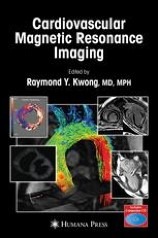
Cardiovascular Magnetic Resonance Imaging (CMR) is a rapidly evolving tool for cardiovascular diagnosis, and is becoming increasingly important in guiding cardiovascular interventions. Cardiovascular Magnetic Resonance Imaging presents a state-of-the-art compilation of expert contributions to the field.
In this new edition of Cardiovascular Disease in AIDS new insights coming from basic and clinical research in the field of HIV-associated cardiovascular disease and antiretroviral therapy are reported, along with the clinical guidelines for a careful stratification of the cardiovascular risk and cardiovascular monitoring of HIV-infected patients receiving HAART. The authors offer a wide overview of the topic for specialists in cardiology and infectious diseases involved in the clinical management of HIV-infected patients.
Cardiac rehabilitation can be extremely complex art. In Cardiac Rehabilitation, expert authors provide state-of-the-art information that serves as a manual to the multidisciplinary nature of cardiac rehabilitation in the current era, the current state of cardiac rehabilitation, and the issues facing current CR programs. Covering the major components of a CR program, including medical therapy, exercise, nutrition, and behavioral therapy, from referral to testing to individualizing the program for the participants, the volume is a thorough, vital guide to this important field.
Cryopreserved allograft tissues are now standard materials for the reconstructive cardiac surgeon. Since publication of the first edition ("Cardiac Reconstructions with Allograft Valves") in 1989, the field has progressed dramatically with increased clinical use of cardiovascular allograft tissues, with the development of new surgical techniques, and with advances in the understanding of the fundamentals of valve transplantation biology and cryopreservation. As a result, over two-thirds of the present volume represents new material. Fifty-six authors bring their expertise to thirteen comprehensive, lavishly illustrated sections which discuss the principles of the use of homograft valves, major clinical series of homograft valves for both left and right ventricular outflow tracts, cryopreserved allograft tissue for cardiac reconstruction, cell biology of heart valve leaflets, cryobiology of heart valve preservation, morphological, biochemical, and explant pathology studies of allograft heart valves, allograft valve banking, as well as detailed explanation of surgical techniques for valve and root methods for left and right ventricular outflow tract reconstructions, the Ross operation and variants, and complex reconstructions. A final section presents potential future directions for the field. Over 400 illustrations, created expressly for this book, depict the surgical techniques from the perspective of the surgeon standing at the operating table.
Cardiac PET and hybrid PET/CT have revolutionized the field of cardiovascular imaging and offer new options for diagnosis and management of patients with cardiac conditions. Cardiologists, radiologists, and nuclear medicine specialists must have an up-to-date reference in this rapidly changing field in order to most effectively utilize new technology in practice. Cardiac PET and PET/CT Imaging takes a step-by-step approach to PET and PET/CT instrumentation, imaging, and protocols. Beginning with imaging fundamentals and progressing through advanced discussion of specific applications, this book is a comprehensive source of cardiac PET and PET/CT information.
Cardiac Drug Therapy, 7th ed., addresses the pharmacology and therapeutic application of drugs used to treat heart diseases and hypertension. Additions and updates to the sixth edition include six new chapters on current controversies in cardiac drug therapy such as the beta blocker issue many cardiologists are presently grappling with. The book provides practical advice on how to manage cardiac diseases and addresses the choice of one particular cardiac agent vs. another. In addition to providing core knowledge in cardiovascular therapeutics, the text assists in resolving some of the issues surrounding cardiac drugs. Cardiac Drug Therapy provides practical information including properties, dosage, side effects, potential salutary benefits, and drawbacks on virtually all commercially available cardiac drugs.
Carbon and Nitrogen in the Terrestrial Environment is a comprehensive, interdisciplinary description of C and N fluxes between the atmosphere and the terrestrial biosphere; issues related to C and N management in different ecosystems and their implications for the environment and global climate change; and the approaches to mitigate emission of greenhouse gases.Drawing upon the most up-to-date books, journals, bulletins, reports, symposia proceedings and internet sources documenting interrelationships between different aspects of C and N cycling in the terrestrial environment, Carbon and Nitrogen in the Terrestrial Environment fills the gap left by most of the currently available books on C and N cycling. They either deal with a single element of an ecosystem, or are related to one or a few selected aspects like soil organic matter (SOM) and agricultural or forest management, emission of greenhouse gases, global climate change or modeling of SOM dynamics.
Explores new frontiers in carbohydrate-based therapeutic applications, utilizing a unique approach by providing a detailed background of diseases coupled with subsequent carbohydrate-based therapies. The link between chemistry and design of novel carbohydrate-based medicines is highlighted and a broad overview of all the potential applications of carbohydrates is given. Emphasis is laid on concepts used for carbohydrate drug design, structure– activity relationship, and impact on health and diseases. The text also discusses newer topics like nanoparticles, material science, and tissue generation.
Offers a comprehensive overview on cannabinoids and their effects on sleep Provides novel research findings on the therapeutic potential of cannabinoids Discusses the effect of cannabinoids in several neurological disorders
Presents the clinical scope of cancer immunotherapeutic agents for solid tumors and Hematologic malignancies, elaborates on the scientific details of their modes of action, and presents the impact of these agents on oncology, patients and the broader healthcare system. At present, cancer immunotherapies fall broadly into three categories: immune checkpoint inhibitors (ICIs), adoptive T cell therapies, and cancer vaccines which have distinct mechanisms of action. Immune checkpoint inhibitors rely upon disrupting tumor antigen recognition as self by the immune system through inhibition of checkpoint molecules. Adoptive T cell therapies involve the engineering of T cells ex vivo to target and destroy tumor cells. The first part of this book will provide an overview of the discovery and mechanistic details of the technology. The second part will be devoted to elaborating on the clinical outcomes, successes and limitations for specific tumor subtypes, which includes both solid tumors and hematologic malignances for both pediatric and adult populations.
A diagnosis of cancer provokes myriad responses in patients, chief among them the question: "how long do I have to live?" Increasingly, the answer to that question is not one of months or years, but decades. While there are now nearly 10 million people in the United States who have recovered or are currently recovering from cancer (increased from three million in 1971), the unique challenges encountered by survivors are often met with uncertainity by even the most seasoned physicians, nurses, and clinical social workers because of a lack of formal guidelines for post-treatment care and follow-up.
This book describes the recent developments in the emerging field of cancer stem cells. Their possible impact for the identification of novel treatment paradigms for cancer are discussed. The book will mainly be of interest to scientists and clinicians involved in cancer research, or to students wishing to enter into this area.
the authors collectively provide the current status of proteomics in cancer therapy and offers the existing technologies used in proteomics that allow for protein profiling and for the identification of druggable targets in human samples. Mass spectrometry based protein characterization and protein microarrays hold great promise of predicting response to specific drugs in cancer therapy. Insightful to the reader with broad perspectives on topics related to the use of proteomic strategies in cancer therapy, Cancer Proteomics offers anticipated challenges that may arise from its application in daily practice.
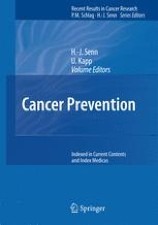
This volume contains the main proceedings of the fourth international conference on "Cancer Prevention 2006," which was held during February 16–18, 2006, in St. Gallen, Switzerland. Written by international experts in the field, the book comprises a comprehensive update on the most recent developments in the upsurging fields of molecular biology and cancer genetics and their interactions with clinical epidemiology and cancer prevention at various levels: genetic/biologic predisposition and definition of high-risk groups; preclinical models and tumor prevention; prospects of surrogate endpoints and biomarkers; progress in imaging and detection of neoplastic precursor lesions.
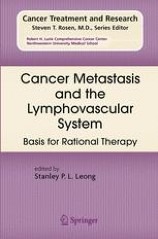
Sentinel lymph node (SLN) procedures have opened a window of opportunity for the study of micrometastasis. In eighty percent (80%) of metastasis there lies an orderly pattern of progression via the lymphatic network, while 20% of the time systemic metastasis occurs, bypassing the lymphatic system. During the past two decades, significant progress has been achieved in understanding the anatomical, functional, cellular and molecular aspects of the lymphovascular system and the metastasis process.Molecular imaging advances help to localize early cancers more precisely.
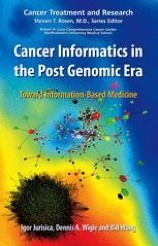
Medical information science requires analytic tools. This is achieved by developing and assessing methods and systems for the acquisition, processing, and interpretation of patient data, aided by scientific discovery. Cancer Informatics in Post-Genomic Era provides both the necessary methodology and practical information tools.Key challenges include integrating research and clinical care, sharing data, and establishing partnerships within and across sectors of patient diagnosis and treatment.Addressing important clinical questions in cancer research will benefit from expanding computational biology.
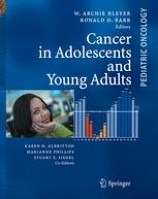
The chapters highlight the initial efforts of this Committee in addressing the scope of the problem of adolescent and young adult underrepresentation in clinical trials and offer evidence that such adiscrepancy may partially explain outcome differences.In addition, these chapters present information about biologic differences between specific cancer subtypes most common in younger children and those exhibited by the same cancers in adolescents and young adults, and offer plausible explanations for outcome differences as well as potential treatment strategies.

Daraa Highway - Ghabagheb - Syria
+963-15 2050 - 15 860 380 /1/2/3 - 11 662 3900