


Refine Results
Sort By
From
To

This open access book presents a comprehensive analysis of biofuel use strategies from an interdisciplinary perspective using sustainability science. This interdisciplinary perspective (social science-natural science) means that the strategies and policy options proposed will have significant impacts on the economy and society alike. Biofuels are expected to contribute to reducing greenhouse gas emissions, revitalizing economies in agricultural communities and alleviating poverty. However, despite these anticipated benefits, international organizations such as the FAO, OECD and UN have published reports expressing concerns that biofuel promotion may lead to deforestation, water pollution and water shortages. The impacts of biofuel use are extensive, cross-sectoral and complex, and as such, comprehensive analyses are required in order to assess the extent to which biofuels can contribute to sustainable societies.
This book brings together a selection of original studies submitted to Biodiversity and Conservation that address biodiversity and conservation in Europe. Europe is certainly the most intensively inventoried region of the world; detailed maps are available for species distributions while action plans are being drawn up for species under threat. At the same time, the wildlife of Europe has been subject to enormous human pressures, with limited ‘wilderness’ sites remaining in most countries. Europe consequently presents a case-study of what the human impact on biodiversity has been, and also what can be done to improve the situation.
The book discusses the challenges and considerations for bioanalytical support, covering a wide range of central topics in the field, including overview and basic immunology for testing of biological therapeutics, pharmacokinetic aspects, clinical immunogenicity prediction and testing, biomarker testing, biotransformation assessment for biologics, statistical aspects of bioanalytical testing, regulatory expectations, and more
A variety of bioactives and therapeutics from the legume family (Fabaceae or Leguminosae) are thoroughly detailed. For each species included in the volume, a brief introduction is given, the plant’s bioactive compounds are listed, and its chemical structures shown, followed by their pharmacological activities. Many of these plants have medicinal activities that include antiviral, antimicrobial, antioxidant, anticancer, anti-inflammatory, and antidiabetic, hepatoprotective, nephroprotective and cardioprotective. The biochemical characteristics of the 37 plants included, such as the type of starch, protein, and fibers, can be exploited as binders, excipients, thickeners, and dispersants in the formulation of various products in the pharmaceutical industry. The published literature on the pharmacological activities on each species is reviewed and presented in a concise and clear manner.
Provides a wealth of information on plants in the Lamiaceae family, noted for their essential oils and bioactives and pharmacological properties. The chapters investigate a wide variety of species, providing for each an introduction, characteristics, properties, distribution, traditional uses, and current and potential pharmacological applications. Aiming to be a resource for the development of new drugs based on species within the Lamiaceae family, the volume discusses 26 species, including bungleweed (Ajuga), Malabar catmint (Anisomeles malabarica), beechwood (Gmelina arborea), Brazilian mint (Hyptis crenata), rosemary (Rosmarinus officinalis L.), holy basil (Ocimum tenuiflorum), and many more.
Hen eggs have exceptional potential as an inexhaustible source for a variety of products with unique properties. These products are valuable to human health and nutrition and can be used as raw materials for diverse purposes in the cosmetics and pharmaceutical industries. Bioactive Egg Compounds presents the latest results and concepts in the biotechnological use of egg compounds. Following an introduction to the different compounds of egg white, yolk and shell, the nutritive value of egg compounds is discussed. Procedures for processing egg compounds to improve their nutritive value are described, including the concept of so-called enriched eggs. Also described is the isolation and application of egg compounds with special properties, such as antibiotic action.
Includes a description of the Alpha-, Beta-, Delta-, and Epsilonproteabacteria (1256 pages, 512 figures, and 371 tables). This large taxa include many well known medically and environmentally important groups.

Includes a description of the Gammaproteobacteria (1203 pages, 222 figures, and 300 tables). This large taxon includes many well known medically and environmentally important groups.
Includes introductory chapters on classification of prokaryotes, the concept of bacterial species, numerical and polyphasic taxonomy, bacterial nomenclature and the etymology of prokaryotic names, nucleic acid probes and their application in environmental microbiology, culture collections, and the intellectual property of prokaryotes.
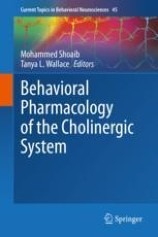
The molecular genetics of the cholinergic system including both muscarinic and nicotinic acetylcholine receptors, cholinesterases, acetylcholine synthesis and release have provided significant insights into potential targeting for pharmacological intervention. Cholinergic drugs are being used or evaluated for the treatment of diseases. Thus, this volume aims to broaden our understanding of the current state of cholinergic mechanisms to enable implementation of novel approaches for the development of more effective treatments.
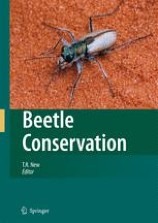
Interest in beetle conservation has long been evident, with many papers treating these abundant, ecologically important and popular insects. However, this issue of Journal of Insect Conservation is the first to be dedicated entirely to beetles, and contains a number of papers, predominantly from outside western Europe, to demonstrate the variety and scope of problems and conservation concerns that surround these insects. A short introductory perspective is followed by eight original contributions, in which beetles from many parts of the world are considered, and in which some major threats to their wellbeing are evaluated.
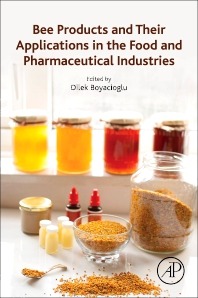
Focuses on the health benefits of selected bee products by looking more closely at their pharmacological potentials and therapeutic applications in coping with various diseases. The book explores some of these products, such as royal jelly, propolis and bee venom, which is highly attractive to the food supplement sector due to the biological actions that are proved by scientific studies. Bee products also attract the cosmetics industry by utilizing those products in various applications such as hair products, toothpaste, sunscreen creams, lip balsams, or facial moisturizing creams. Each chapter focuses on a particular health benefit, providing more compact and detailed information about each activity for a specific interest. The mainframe of the book is based on the medicinal and pharmacological functions of bee products, with the therapeutic applications for each bee product supporting the mechanism of action of their biological functions.
Presents an updated discussion on the chemical composition and biological properties of the main bee products, which until now have been presented separately in different editions This book scoops out studies about bee products most used in marketing and in traditional medicine such as honey, royal jelly, propolis, bee pollen and bee venom Discusses chemical composition and biological function of the different bee products on topics such as nutrition, aging and age-related diseases, cancer, neurodegenerative diseases and pathogen infections Bee products are rich in several essential nutrients and non essential nutrients, as sugars, minerals, proteins, free amino acids, vitamins, enzymes and polyphenols, that seem to be closely related to their biological functions. The effects of these products in nutrition, aging and age-related diseases, cancer, neurodegenerative diseases and pathogen infections are discussed.
Offers a clear and concise overview of all exam-relevant pharmacology content. It guides you through the entire foundational knowledge, from the basics to the most important clinical pictures, in an easily understandable way and aligned with the German National Competency-Based Learning Objectives for Medicine (GK) and National Competency-Based Learning Objectives for Medicine (NKLM). Benefit from the lecturer's many years of experience, who has carefully selected and presented the essential information for you.
Incorporating the information related to mechanisms and treatment of cardiac arrhythmia, this book discusses genetics of arrhythmias, cell signalling molecules as potential therapeutic targets and trafficking to the membrane. These approaches and implementations of anti-arrhythmic therapy derive from many decades of research.
Presents the multifaceted process of identifying a new drug in the modern era, which requires a multidisciplinary team approach with input from medicinal chemists, biologists, pharmacologists, drug metabolism experts, toxicologists, clinicians, and a host of experts from numerous additional fields. Enabling technologies such as high throughput screening, structure-based drug design, molecular modeling, pharmaceutical profiling, and translational medicine are critical to the successful development of marketable therapeutics. Given the wide range of disciplines and techniques that are required for cutting edge drug discovery and development, a scientist must master their own fields as well as have a fundamental understanding of their collaborator’s fields.
Covers the important concepts students need to know about the science of pharmacology and its application to clinical practice. This edition has been extensively updated to provide expanded coverage of transporters, pharmacogenomics, and new drugs Delivers the knowledge and insight needed to excel in every facet of pharmacology!. Encompasses all aspects of medical pharmacology, including botanicals and over-the-counter drugs Major revisions of the chapters on immunopharmacology, antiseizure, antipsychotic, antidepressant, antidiabetic, anti-inflammatory, and antiviral drugs, prostaglandins, and central nervous system neurotransmitters New chapter on the increasingly relevant topic of cannabis pharmacology Each chapter opens with a case study, covers drug groups and prototypes, and closes with summary tables and diagrams that encapsulate important information Revised full-color illustrations provide more information about drug mechanisms and effects and help clarify important concepts Trade Name/Generic Name tables are provided at end of each chapter for easy reference when writing a chart order or prescription Includes descriptions of important new drugs released through May 2019 New and updated coverage of general concepts relating to recently discovered receptors, receptor mechanisms, and drug transporters
Examines the complex interactions associated with clinical toxicological events as a result of therapeutic drug administration or chemical exposure. Special emphasis is placed on signs and symptoms of diseases and pathology caused by toxins and clinical drugs. Includes the source, pharmacological and toxicological mechanism of action, detection and identification in body fluids, and treatment of exposure. An overview of protocols for managing various toxic ingestions, and the antidotes and treatments associated with their pathology, are discussed. In addition, effect of toxins on a limited number of body systems and drug-induced adverse drug reactions are also covered
This book focuses on balloon kyphoplasty and alter- tive minimally invasive treatments for stabilization of osteoporotic vertebral fractures. The optimal treatment of a patient with osteoporotic vertebral fractures requires an interdisciplinary - proach, and therefore our book draws on the expertise of orthopedic surgeons, traumatologists and neu- surgeons, and also includes a chapter on medical treatment.
Details new and updated experimental approaches for isolating, formulating, and engineering bacteriophage medicinal products. Authored by leading experts and written in the highly successful Methods in Molecular Biology series format, each chapter includes introductions to their respective topics, lists of the necessary materials and reagents, step-by-step reproducible laboratory protocols, and valuable tips for troubleshooting and avoiding known pitfalls.

Daraa Highway - Ghabagheb - Syria
+963-15 2050 - 15 860 380 /1/2/3 - 11 662 3900