


Refine Results
Sort By
From
To


Delivers a trusted, accurate, current, and pedagogically innovative experience that guides students to a true understanding of biology. The author team advances Neil Campbell's vision of meeting and equipping students at their individual skill levels by developing tools, visuals, resources, and activities that encourage participation and engage students in their learning. Known for strategically integrating text and artwork, this trusted course solution works hand in hand with Mastering Biology to reinforce key concepts, build scientific skills, and promote active learning.
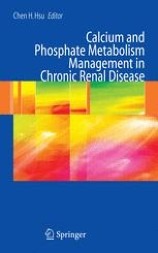
Calcium and Phosphate Metabolism Management in Chronic Renal Diseases provides an overview of the state-of-the-art clinical and basic science aspects of abnormal calcium and phosphate metabolism and its management.
Updates knowledge on recent advances in computational and bioinformatics tools/techniques and their practical applications in modern drug design and discovery programme. Also it encompasses fundamental principles, advanced methodologies and applications of various CADD approaches including several cutting-edge areas / presenting recent developments covering ongoing trends in the field of computer-aided drug discovery. Having contributions by a global team of experts, the book is expected to be an ideal resource for drug discovery scientists, medicinal chemists, pharmacologists, toxicologists, phytochemists, biochemists, biologists, RandD personnel, researchers, students, teachers and those working in the field of drug discovery. It will fill the knowledge gaps that exist in the current CADD approaches and methodologies/ protocols being widely used in both academic and research practices. Further, a special focus on current status of various computational drug design approaches (SBDD, LBDD, De-novo drug design, Pharmacophore-based search), bioinformatics tools and databases, computational screening and modeling of phytochemicals/natural products, artificial intelligence and machine learning, and network pharmacology and system biology would certainly guide researchers, students or readers to conduct their research in the emerging area(s) of interest. It is also expected to be highly beneficial to different stakeholders working in the pharmaceutical and biotechnology industries (RandD), the academic as well as research sectors. .

This book comes after several decades of outstanding and successful research that has helped ameliorate some of the most important and controversial fisheries issues in the world – those associated with the unwanted wastage of fish from by-catch and discarding. The 8 chapters encompass contributions from 27 of the world’s leading experts in by-catch reduction. They take the reader through most aspects of the field at a variety of scales and viewpoints. They examine the methodologies used to develop by-catch reduction techniques and provide new avenues for assisting and broadening such work. Case studies are provided that encompass most of the world’s fishing techniques and regions.
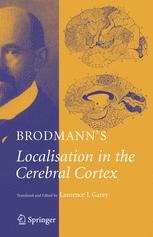
It is one of the major "classics" of the neurological world. Even today it forms the basis for so-called "localisation" of function in the cerebral cortex. Brodmann's "areas" are still used to designate functional regions in the cortex, the part of the brain that brings the world that surrounds us into consciousness, and which governs our responses to the world. For example, we use "area 4" for the "motor" cortex, with which we control our muscles, "area 17" for "visual" cortex, with which we see, and so on. This nomenclature is used by neurologists and neurosurgeons in the human context, as well as by experimentalists in various animals. Indeed, Brodmann's famous "maps" of the cerebral cortex of humans, monkeys and other mammals must be among the most commonly reproduced figures in neurobiological publishing. The most famous of all is that of the human brain. There can be few textbooks of neurology, neurophysiology or neuroanatomy in which Brodmann is not cited, and his concepts pervade most research publications on systematic neurobiology.
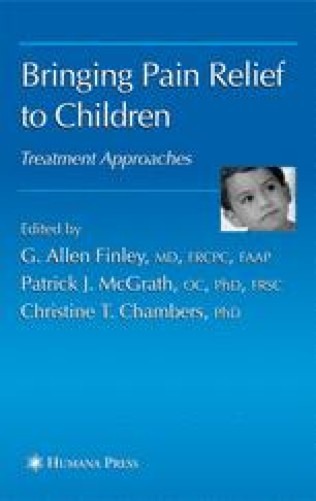
In Bringing Pain Relief to Children: Treatment Approaches, a panel of prominent clinician-scientists comprehensively reviews the latest developments in pediatric pain management, with special emphasis on the setting in which pain is detected and managed. The authors explore the cutting-edge of children's pain care in inpatient, outpatient, palliative care, school, and residential settings, and describe alternate approaches, including complementary and alternative medicine, pain management via the internet and information technology, and pain care in developing countries.
This book provides an overview of the most recent techniques, agents and approaches for breast cancer that contribute to the individualization of treatment. Current biomedical research focuses on facilitating the transfer of molecular biology knowledge into the clinical management of patients, leading to increased survival as well as improved quality of life. Particular attention is given in this book to organ-specific tailored approaches, specific populations, patients’ preferences and rehabilitation.
In Breast Cancer Chemosensitivity, a group of world leading experts review critical aspects of resistance to systemic therapy in breast cancer patients. Beginning with a clinical overview of the problem Breast Cancer Chemosensitivity moves on to focus on the latest findings of molecular mechanisms of drug resistance. These include in-depth discussions on multidrug resistance by P-glycoprotein and the multidrug resistance protein family, resistance to therapeutic agent-induced apoptosis, cell cycle deregulation, deregulation of DNA repair, loss of tumor suppressor genes, integrin-mediated adhesion, insulin-like growth factors, epidermal growth factor, and ErbB2 in modulating breast cancer response to systemic therapy, especially, certain chemotherapeutic agents. Breast Cancer Chemosensitivity provides an example of using novel approaches for chemosensitization of breast cancer cells that gives readers an idea about the future direction in breast cancer treatment.
This book provides general information on breast cancer management and considers all new methods of diagnosis and therapy. It focuses on nuclear medicine modalities by comparing their results with other diagnostic and therapeutic approaches.
Ideas we associate with the 18th century are clearly seen in work published from the latter decades of the 17th century through the first decades of the 19th century. This is the "long 18th century", a period which exhibits multiple discourses in medicine, brain science and philosophy. The editors have deliberately adopted a "presentist" subtitle, "neuroscience", to emphasize that this collection of essays reflect a range of current thought about 18th century-studies of the nervous system in isolation and in context. There are six sections, each preceded by a short introduction.
Since Bailey and Cushing (1926), all brain tumor classifications have been called histogenetic. The nosographic position that the tumor types progressively acquired in the classification systems derived from the resemblance of tumor cells to those of the cytogenesis, modified whenever new information became available from different biological research fields and especially from molecular genetics. Classically, on the basis of the rough correspondence between the mature/immature aspect of tumor cells and the benign/malignant biological behavior of the tumors, the histological labels contained a prognostic significance. The supposed origin of the tumors was thus a factor for prognosis. Later on, with the concept of anaplasia (Cox, 1933; Kernohan et al., 1949) new criteria were introduced for establishing the malignancy grades of tumors. Immunohistochemistry and later molecular genetics further refined the prognostic diagnoses, substantially increasing the opportunities to recognize the cell origin of tumors, beside revealing the pathogenetic mechanisms. Prognoses became more accurate, as required by the greater and more targeted possibilities of therapy.
Brain Repair, addresses all relevant issues underlying the mechanisms of brain damage, brain plasticity and post-traumatic reorganisation after CNS lesions. This book is divided the three major sections that follow; cellular and molecular basis of brain repair, plasticity and reorganisation of neural networks, and experimental therapy strategies. Brain Repair is written by high profile, international experts who describe in detail the newest results from basic research and highlight new model systems, techniques and therapy approaches. Based on a careful analysis of the cellular and molecular reaction patterns of the CNS to lesions, the contributions cover possibilities for endogenous reorganisation and repair as well as exciting new therapies emerging from basic research, some of which have already been introduced into the clinics.

The XIII International Symposium on Brain Edema intracerebral hemorrhage. This volume includes papers pre- day satellite conference on the subject. Brain vestigation focusing primarily on the secondary events edema, in many respects, is a marker of underlying which develop after the hemorrhage. pathological processes which include tissue injury There was considerable enthusiasm to continue the from many diseases.
The central nervous system (CNS) represents the organ with the highest structural and functional complexity. Accordingly, uncovering the mechanisms leading to cell diversity, patterning and connectivity in the CNS is one of the major challenges in developmental biology. The developing CNS of the fruitfly Drosophila melanogaster is an ideal model system to study these processes. Several principle questions regarding neurogenesis (like stem cell formation, cell fate specification, axonal pathfinding) have been addressed in Drosophila by focusing on the relatively simply structured truncal parts of the nervous system. This book provides an overview of some major facets of recent research on Drosophila brain development.
Despite the increasing awareness that neural mechanisms are the primary cause of cardiac disease and its progression, therapy continues to focus on end-organ protection and does not approach the neural core of the problem. Growing public health problems such as heart failure are still treated with autonomic drugs that are 30-40 years old and simply act on cardiac receptors. However, it has now been shown that the progression of ischemic heart disease to heart failure is mainly due to abnormal central responses to incipient cardiac disease, with neural activation the primary cause rather than the consequence of cardiac remodeling.
This is an excellent resource for learning how to inject Botox. Even if you are a seasoned injector, I am sure you will discover tips to improve your technique. … The audience includes any physicians who use Botox in their practice. The book specifically focuses on cosmetic use of Botox, so plastic surgeons and dermatologists would be the majority of physicians interested in reading it.
Botanicals, which have been part of human food and medicine for thousands of years, are perceived as being safer than synthetic pharmaceuticals. The global botanical drug market was expected to reach $26.6 billion by 2017. In terms of FDA regulations, botanical drugs are no different from non-botanical products, having to meet the safety and effectiveness standards of a new drug in accordance. This book comprises a complete start-to-end process from drug-idea conception, to drug development process.

This volume adopts an ecosystems approach to understanding the world's boreal peatlands. It focuses on biogeochemical patterns and processes, production, decomposition, and peat accumulation, and provides additional information on animal and fungal diversity. A recurring theme is the legacy of boreal peatlands as impressive accumulators of carbon as peat over millennia. This carbon legacy is under threat from a wide diversity of disturbances, including wildfire, ongoing climate change, the changing chemistry of atmospheric deposition, and continuing resource exploitation. The volume is of inte.
Bone Resorption, the second volume in the series Topics in Bone Biology, deals with the osteoclast, the bone-resorbing cell, its origins, its enzymes, the regulation of osteoclast activity, and structural aspects of bone resorption. Diseases involving osteoclast function are discussed from the genetic viewpoint in two chapters that span transgenic mouse models to human pathology. Another chapter treats diseases of osteoclast function. Because osteoporosis may be considered a disease in which the bone resorption rate exceeds formation, a separate chapter deals with current and potential therapeutic approaches to this widespread disease that affects both men and women. Bone metastases and an analysis of the central role of the osteoclast in this condition are treated in the concluding chapter.

The ability of stem cells to acquire different desired phenotypes has opened the door for a new discipline: regenerative medicine. Much of the interest for this purpose is generated by embryonic stem cells, but their use is still controversial for moral reasons as well as scientifically. Less controversial and readily available are the adult bone marrow-derived progenitors including hematopoietic stem cells, endothelial progenitors and mesenchymal stem cells. The ambitious goal of this volume is to provide a comprehensive overview of the currently available information related to the therapeutic utility of adult bone marrow-derived cells. Each chapter has been written by an accomplished expert in the field, making this a hugely valuable resource for anyone looking for an up-to-the-minute assessment of current practice in adult bone marrow-derived cell therapy.

Daraa Highway - Ghabagheb - Syria
+963-15 2050 - 15 860 380 /1/2/3 - 11 662 3900