



Page 7
Page 7

Kaposi Sarcoma Herpesvirus : New Perspectives
Since the identificationof two sequences fromKSHV,wehave learnedmuch about this pathogen as reflected in this book. As it turned out, KSHV itself encodes for a number of cytokines, and induces cellular cytokine secretion, contributing to tumour growth. Moreover, KSHV vFLIP targets the IKKNFκB axis to encourage the inflammatory microenvironment observed by Gallo and his colleagues. KSHV continues to elucidate both mechanisms of viral oncogenesis, and cellular and immune pathways involved in non-viral driven neoplasia.

Java for Bioinformatics and Biomedical Applications
Illustrates how individual bioinformatics applications (such as BLAST and Genscan) can be stitched together into a pipeline so that users can direct the output of one tool (for example, gene predictions using Genscan) to perform further analysis (say, homology searching using BLAST).

Japan Nutrition
This auto-translation book demonstrates a time series of nutrition improvement in Japan since the introduction of nutrition sciences to Japan about 150 years ago. The chapters present the historical event where nutritional deficiency due to food shortage was improved in almost a century, by the introduction of nutrition policy and practices such as the "Nutrition Improvement Law". The book contributed to the construction of a longevity nation by resolving the double burden of malnutrition, which is a mixture of undernutrition and overnutrition and creating a social environment in which sustainable healthy diets can be accessed.

Issues of Decapod Crustacean Biology
This volume presents the proceedings of the eighth Colloquium Crustacea Decapoda Mediterranea, which was held at the Ionian University on Corfu Island, Greece, from 2 to 6 September 2002, and reflects recent advancements in decapod crustacean research. The meeting is the oldest European carcinological event, organized regularly at 3-year intervals since 1972. Although focused on the Mediterranean Sea, worldwide contributions provided a forum for fruitful contact and scientific exchange. The book covers up-to-date issues in decapod crustacean research, including genetics, morphology, reproduction, ecology, behaviour and fisheries, and it is primarily aimed at scientists interested in decapod crustacean research, but other scientists and decision-makers working on marine ecology and fisheries will also find up-to-date information on relevant issues.
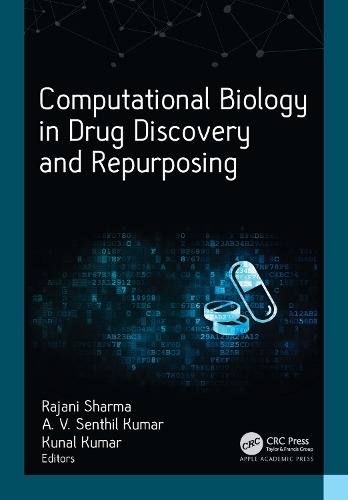
Computational biology in drug discovery and repurposing
Takes an in-depth look at the emerging and prospective field of computational biology and bioinformatics, which possesses the ability to analyze large accumulated biological data collected from sequence analysis of proteins and genes and cell population with an aim to make new predictions pertaining to drug discovery and new biology. The book explains the basic methodology associated with a bioinformatics and computational approach in drug designing. It then goes on to cover the implementation of computational programming, bioinformatics, pharmacophore modeling, biotechnological techniques, and pharmaceutical chemistry in designing drugs. The major advantage of intervention of computer language or programming is to cut down the number of steps and costs in the field of drug designing, reducing the repeating steps and saving time in screening the potent component for drug or vaccine designin

Computational and Statistical Approaches to Genomics
Computational and Statistical Approaches to Genomics, 2nd Edition, aims to help researchers deal with current genomic challenges. During the three years after the publication of the first edition of this book, the computational and statistical research in genomics have become increasingly more important and indispensable for understanding cellular behavior under a variety of environmental conditions and for tackling challenging clinical problems. In the first edition, the organizational structure was: data à analysis à synthesis à application. In the second edition, the same structure remains, but the chapters that primarily focused on applications have been deleted.

Complications of Regional Anesthesia
This book is an essential text for all anesthesiologists and nurse anesthetists who seek advice on avoiding some of the most common and, more importantly, preventable complications of regional anesthesia and pain medicine. Chapters cover a variety of neurologic complications and pain management issues. Critically important both to patient care and practice management are the chapters focusing on safety and best practice guidelines and the compendium of outcome studies that compare regional and general anesthesia. The book includes an invaluable chapter addressing the important topic of the medical legal aspects of regional anesthesia.

Complications in Gynaecological Surgery
Focusing on a range of gynecological issues, including urinary tract injury, sterilization and assisted pregnancy, as well as the application of cutting-edge laparoscopy, this book will be of great interest and use to the practicing gynecologist or urologist.

Complexity in landscape ecology
Interactions matter. To understand the distributions of plants and animals in a landscape you need to understand how they interact with each other, and with their environment. The resulting networks of interactions make ecosystems highly complex. Recent research on complexity and artificial life provides many new insights about patterns and processes in landscapes and ecosystems. This book provides the first overview of that work for general readers. It covers such topics as connectivity, criticality, feedback, and networks, as well as their impact on the stability and predictability of ecosystem dynamics. With over 60 years of research experience of both ecology and complexity, the authors are uniquely qualified to provide a new perspective on traditional ecology.

Complex Systems Science in Biomedicine
Complex Systems Science in Biomedicine covers the emerging field of systems science involving the application of physics, mathematics, engineering and computational methods and techniques to the study of biomedicine including nonlinear dynamics at the molecular, cellular, multi-cellular tissue, and organismic level. With all chapters helmed by leading scientists in the field, Complex Systems Science in Biomedicine's goal is to offer its audience a timely compendium of the ongoing research directed to the understanding of biological processes as whole systems instead of as isolated component parts.

Complex Systems in Biomedicine
Features contributions from several Italian research groups that are working on the field of biomedicine. Each chapter in this book deals with a specific subfield, with the aim of providing an overview of the subject and an account of the research results.

Complex Intracellular Structures in Prokaryotes
The new series "Microbiology Monographs" begins with two volumes on intracellular components in prokaryotes. In this second volume, "Complex Intracellular Structures in Prokaryotes", the components, labeled complex intracellular structures, encompass a multitude of important cellular functions. Continuing and newly initiated research will provide a clearer understanding of the complex intracellular structures known at present and will bring to light surprising new ones as well.

Complex Anorectal Disorders : Investigation and Management
Book has focused on the broad structural investigation of the anorectum and on the focused management of largely “functional” problems. And it has done so in style. For this is a core area of specialist practice;your more general colleagues may think twice before referring you new cases of cancer and in?ammatory bowel disease (both also central areas in colorectal surgery), but they will not hesitate in referring the patients whose inves- gation and management are described here. And they will expect you to know how to deal with them. These are some of the most challenging patients to manage. Rightly have the editors covered the physiological areas,rightly the psychological issues, rightly the medicolegal aspects: here is the making of a specialist—the sword and the shield.

Complementary and Alternative Medicine : Ethics, the Patient, and the Physician
Complementary and Alternative Medicine examines the real-life implications of patient issues and the healthcare system in which care is delivered. Because complementary and alternative medicine (CAM) are not presently considered to be a part of conventional medicine, this book discusses the effect that CAM has on patients, physicians, healthcare, and policymakers. Also included are the implications that CAM has on traditional patient-physician relationships as well as the physician's ethical obligations on this subject.

Complement and Kidney Disease
It is evident that a defective or deregulated complement system results in kidney diseases. An important role of complement effector and regulatory proteins in pathological settings of the kidney has been demonstrated. A large panel of distinct human kidney diseases is caused by defective complement control. Genetic analyses have identified mutations in complement regulators that are associated with these diseases. Mutations have been identified in the fluid phase alternative pathway regulator Factor H and the membrane regulator Membrane Cofactor Protein MCP (CD46). The functional characterization of the mutant proteins allows to define the pathophysiological events on a molecular level. These new concepts and data on disease mechanisms allowed establishing new diagnostic and promising therapeutic approaches for several human kidney diseases. Molecular biology, clinics and therapy are discussed in this volume.
Competence Assessment in Dementia
The increasing proportion of demented elderly in populations, debates over patient's rights and autonomy, and the growing body of knowledge on dementia has inspired the European Dementia Consensus Network to regard competence assessment in dementia as an important topic of debate.

Competence and Vulnerability in Biomedical Research
In this book, the author develops a novel justificatory framework for making judgments of decisional competence to consent to biomedical research with reference to five groups of cognitively vulnerable individuals - older children and adolescents, adults with intellectual disabilities, adults with depression, adults with schizophrenia and adults with dementia, including Alzheimer’s disease.

Compendium of Surface Microscopic and Dermoscopic Features
This unique guide provides a comprehensive, current, and accurate A-Z encyclopaedia to clarify the meaning of surface microscopic and dermoscopic terminology including a broad range of both melanocytic and non-melanocytic skin lesions.

Comparative Placentation : Structures, Functions and Evolution
Science produces fascinating puzzles: why is there such a range of placental structures when other mammalian organs are so structurally uniform ? Why and how did the different placental structures evolve ? Comparative placental studies can facilitate the identification of the common factors in placental growth, differentiation and function and their relevance to possible evolutionary pathways. Comparative Placentation is the only book presenting up-to-date data illustrating the great variety of structure but uniform function of vertebrate placentas from fish to man. This information is essential for selection of suitable models to investigate particular practical problems of impaired or anomalous growth in human and animal placentation. The unique collection of the best light and electron micrographs from the last thirtyfive years which precisely illustrate the structural range in each taxon, make the book the most authoritative publication in this field and a vital source of information for anyone interested on reproductive physiology, anatomy and medicine.

Comparative Hepatitis
This volume reviews today’s knowledge about hepatitis with emphasis on comparative aspects between hepatitis in humans and animals, but also between different etiological agents. This particular viewpoint makes the book relevant for scientists from both human and veterinary medicine, gastroenterologists, pathologists, virologists and students of human and veterinary medicine.
