



Page 1
Page 1

Morphometrics with R
The R language and environment offers a single platform to perform a multitude of analyses from the acquisition of data to the production of static and interactive graphs. This offers an ideal environment to analyze shape variation and shape change. This open-source language is accessible for novices and for experienced users. Adopting R gives the user and developer several advantages for performing morphometrics: evolvability, adaptability, interactivity, a single and comprehensive platform, possibility of interfacing with other languages and software, custom analyses, and graphs. The book explains how to use R for morphometrics and provides a series of examples of codes and displays covering approaches ranging from traditional morphometrics to modern statistical shape analysis such as the analysis of landmark data, Thin Plate Splines, and Fourier analysis of outlines.

Microbial Root Endophytes
Plant roots may not only be colonized by mycorrhizal fungi, but also by a myriad of bacterial and fungal root endophytes that are usually not considered by the investigators of classic symbioses. This is the first book dedicated to the interactions of non-mycorrhizal microbial endophytes with plant roots. The phenotypes of these interactions can be extremely plastic, depending on environmental factors, nutritional status, genetic disposition and developmental stages of the two partners. The book deals with diversity, life history strategies, interactions, applications in agriculture and forestry, methods for isolation, cultivation, and both conventional and molecular methods for identification and detection of these endophytes. The comprehensive reviews demonstrate the high diversity of interactions and will provoke further studies to better understand the mechanisms which determine whether a plant-microbial interaction remains asymptomatic, leads to disease or to a mutualistic interaction.
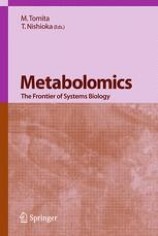
Metabolomics : The frontier of systems biology
Metabolism is the sum of the chemical reactions in cells that produce life-sustaining chemical energy and metabolites. In the post-genome era, metabolism has taken on new significance for biological scientists: metabolites are the chemical basis of phenotypes that are final expressions of genomic information. This book covers research on metabolomics, ranging from the development of specialized chemical analytical techniques to the construction of databases and methods for metabolic simulation. The authors have been directly involved in the development of all the subject areas, including capillary electrophoresis, liquid chromatography, mass spectrometry, metabolic databases, and metabolic simulation. Breakthrough achievements and the future of metabolome studies are described, making this book a valuable source for researchers in metabolomics in diverse fields, such as plant, animal, cellular, microbial, pharmaceutical, medical, and genetic sciences.

Immunology, phenotype first : How mutations have established new principles and pathways in immunology
This monograph deals with the impact of classical genetics in immunology, prov- ing examples of how large immunological questions were solved, and new fields opened to analysis through the study of phenotypes, either spontaneous or induced. As broad as biology has become, there are those who do not fully understand what the genetic approach is, and how it differs fundamentally from most of the methods available to natural scientists.

Dendritic Cells in Clinics
Great advances have taken place in basic research and the clinical usefulness of dendritic cells (DCs). It has now been clearly established, for instance, that these cells play a crucial role in immune responses against infectious diseases and cancers. Antigen-presenting DCs are widely distributed in the body and regulate both immunity and immune tolerance. Experimental studies have provided important insights into DCs and how they can be used for treating animal models of various diseases that occur in humans. The role of these cells in pathogenesis and the treatment of human diseases is elaborately set forth in this valuable book. Researchers in the field are optimistic that DCs, already in use for treating patients with cancers, soon can be used therapeutically for patients with chronic infections, autoimmune diseases, and allergic manifestations. This volume provides a working definition of DCs and also explains the phenotypes and functions of DCs so that these can be readily understood not only by clinicians but by immunologists, researchers, and students as well.

Clinical metabolomics applications in genetic diseases
Helps readers discover the forefront of personalized medicine on clinical metabolomics and its applications in genetic diseases. This comprehensive guide offers a functional relationship map between cell components and genetic variations in various diseases, providing insights that can be applied to personalized medicine. Covers the latest developments in metabolomics for health, with practical guidance for clinical experts looking to advance their laboratory techniques and career. The metabolomics profile is a powerful tool that has revolutionized our understanding of the relationship between genetics, clinical readouts, and disease outcomes. By integrating metabolomics with genomics and clinical phenotypes, the authors have developed diagnostic and prediction models that have vastly improved patient outcomes and deepened the understanding of disease mechanisms.

Bone Marrow Derived Progenitors
The ability of stem cells to acquire different desired phenotypes has opened the door for a new discipline: regenerative medicine. Much of the interest for this purpose is generated by embryonic stem cells, but their use is still controversial for moral reasons as well as scientifically. Less controversial and readily available are the adult bone marrow-derived progenitors including hematopoietic stem cells, endothelial progenitors and mesenchymal stem cells. The ambitious goal of this volume is to provide a comprehensive overview of the currently available information related to the therapeutic utility of adult bone marrow-derived cells. Each chapter has been written by an accomplished expert in the field, making this a hugely valuable resource for anyone looking for an up-to-the-minute assessment of current practice in adult bone marrow-derived cell therapy.
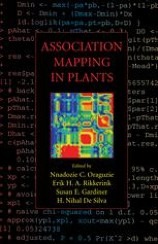
Association Mapping in Plants
For the past decade, there has been success in using conventional map-based strategies in identification and cloning of quantitative trait loci (QTL) in model plant species including tomato and Arabidopsis. These quantitative traits are generally the products of many loci with varying degrees of effect upon the observed phenotypes. Recently, a new approach to genetic mapping has emerged called association mapping. This new technique takes into account the thousands of genes to evaluate for QTL effect and is a more efficient approach that does not require generation of segregating populations/large numbers of progeny. As it can utilize all of the historic recombination events in a diverse population of individuals it can generate higher resolution genetic maps and, is needed to complement current map based cloning methods.

Abnormal Skeletal Phenotypes : From Simple Signs to Complex Diagnoses
This book focuses on the radiographic changes of malformation syndromes and skeletal dysplasias. It is structured such that the reader can identify the radiographic changes and relate them to specific disease entities. The aim is to provide an essential, practical guideline to the recognition of the key radiographic signs for diagnosing malformation syndromes and skeletal dysplasias.
