


Refine Results
Sort By
From
To

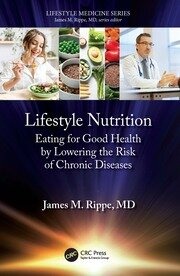
Provides physicians with an evidence-based introduction to nutrition science with a practical emphasis on how to apply this information to improve the health of their patients and enhance their own lives. From nutrition and atherosclerosis to erectile dysfunction and chronic kidney disease to osteoporosis, this comprehensive guide covers a wide range of conditions influenced by diet. It delves into specialized areas, such as nutrition for physically active people to the elderly, ensuring relevance for diverse patient populations. The reader will find detailed analysis of the Dietary Guidelines for Americans 2020–2025 and their applications and strategies for adopting healthy plant-based diets, such as Mediterranean, DASH, and vegan.

Deals with ovarian cancers and their therapeutic management. Besides the epithelial tumors which are the most frequent, the rarer tumors, with attenuated malignancy, germ cells or of the ovarian stroma are also studied. Specialists from multiple backgrounds each deliver in their field the most recent knowledge on the fundamental aspects of the disease, its genetic, epidemiological and prognostic characteristics and its pathological peculiarities. Modern means of diagnosis are presented. The surgical technique, including laparoscopy, is detailed at the different stages of the disease. The therapeutic strategy aims to position the surgery and chemotherapy according to the stage. The current place of radiotherapy and isotopic therapies is indicated. Some more specific aspects are discussed, screening, lymph node dissection, the “second look”, intraperitoneal chemotherapy with or without hyperthermia, treatment of the elderly, monitoring after treatment… as well as the emergence of targeted therapies.
Digestive tumors are among the most common malignant tumors and represent a major public health problem. This is one of the areas that has evolved the most in recent years in oncology due to significant progress in diagnostic strategies and therapeutic management. It seems essential that this progress be implemented in the daily practice of physicians treating these tumors. This book, the result of multidisciplinary work, provides a practical and up-to-date approach to the management of malignant digestive tumors. The first chapters are devoted to general and original subjects such as epidemiology, genetics, the management of elderly subjects. A second part approaches in a pragmatic and practical way the principles of diagnostic and therapeutic management by localization. A third part, devoted to the practical realization of chemotherapy, takes stock of new therapeutic approaches, oral or locoregional chemotherapy. Finally, the last part of the book is dedicated to digestive cancer emergencies and the palliative management of these tumors.
The increasing proportion of demented elderly in populations, debates over patient's rights and autonomy, and the growing body of knowledge on dementia has inspired the European Dementia Consensus Network to regard competence assessment in dementia as an important topic of debate.

There have been significant advances in the diagnosis and management of eye disease since the last edition of Common Eye Diseases and their Management was published. The specialty has developed more subspecialties, and the referring doctor has to have a good knowledge of these in order to make appropriate referrals. An increased emphasis on screening has made it necessary for the primary care doctor to have a basic knowledge of eye diseases. This applies particularly to glaucoma and diabetic eye disease. The management of eye conditions in the elderly is also an important and increasing primary care problem.
Care-Related Quality of Life in Old Age explains the theory behind Care Keys, its methodology, empirical findings, and practical considerations in promoting effective, efficient elder care aimed at social and emotional well-being and including disabled and cognitively impaired patients.
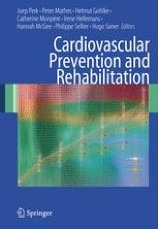
Cardiovascular Prevention and Rehabilitation is a timely and thorough review of prevention, lifestyle counseling and rehabilitation for cardiologists and all physicians and other health professionals in cardiac rehabilitation teams. The Editors have gathered over 60 experts from all parts of the globe, each highlighting the role of cardiac rehabilitation and preventative cardiology from exercise testing and training, through nutrition, smoking cessation, behavioral and social support to adapted programs for newer groups with specific demands, such as the elderly, patients with implantable devices and patients after cardiac transplantation.
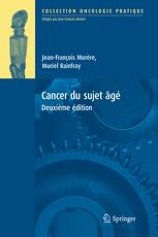
Etablir un diagnostic précoce, définir une stratégie adaptée et offrir une meilleure qualité de vie chez le sujet âgé atteint de cancer constituent les défis de l’Oncologie de ce début de siècle. Cet ouvrage a pour objectif de proposer aux médecins et aux étudiants un condensé des différents aspects de l’oncologie sur le sujet âgé. Dans une première partie, les aspects épidémiologiques et biologiques ainsi que l’évaluation gériatrique multiparamétrique sont abordés. Les particularités de l’application de la chimiothérapie, de la radiothérapie et de la chirurgie au sujet âgé sont passées en revue. Dans une troisième partie, la stratégie thérapeutique multidisciplinaire est ensuite détaillée par site.
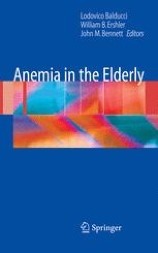
Anemia is found in approximately 80% of elderly patients, most often caused by chronic disease and iron deficiency. Hemopoiesis is a crossroad for many aging-related events.Why do older patients become anemic When should a diagnostic work up of anemia be initiated in the older person? What are the clinical consequences of anemia? Can the treatment of anemia delay aging? Have erythropoietic growth factors played a role in age-related anemia? Who should receive an erythropoietin stimulating agent?When should the suspicion for Myelodysplastic Syndrome be ruled out and what are the clues?This book addresses these and many other important questions with a review of the most recent findings.
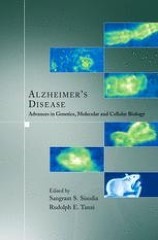
Alzheimer’s Disease: Advances in Genetics, Cellular and Molecular Biology provides exciting, comprehensive and up-to-date summaries of the most important recent advances in the genetic, molecular, biochemical, and cell biological studies of AD. The studies and advances described in this volume will help to accelerate the process of rational drug discovery and soon serve to extend and enhance the mental health and lifespan of our burgeoning elderly population.
The general practitioner and the specialists are brought to examine a growing number of elderly or very old patients. Until now, they have hardly been prepared for this very special clinical approach where each symptom can relate to several causes, where the diseases are almost always multiple, symptomatic, or ready to reveal themselves by a complication, where a diagnosis can be. hide another, where a history - key to the diagnosis - may have been forgotten or concealed.

Ambient Intelligence (AmI) is an integrating technology for supporting a pervasive and transparent infrastructure for implementing smart environments. Such technology is used to enable environments for detecting events and behaviors of people and for responding in a contextually relevant fashion. AmI proposes a multi-disciplinary approach for enhancing human machine interaction. The authors start with a description of the iDorm as an example of a smart environment conforming to the AmI paradigm, and introduces computer vision as an important component of the system. Other computer vision examples describe visual monitoring for the elderly, classic and novel surveillance techniques using clusters of cameras installed in indoor and outdoor application domains, and the monitoring of public spaces. Face and speech recognition systems are also covered as well as enhanced LEGO blocks for novel educational purposes. The book closes with a provocative chapter on how a cybernetic system can be designed as the backbone of a human machine interaction.

Buildings are not conceived solely with average people in mind; they offer a protective shell for everyone. BASICS Barrier-free Planning improves our understanding of the needs of people with disabilities such as limited mobility or impaired vision, children, and the elderly, all of whom have special requirements when using a building. The book presents possibilities for designing buildings and their spaces so they can be used by everyone.
Focuses on theoretical issues and empirical findings related to trends and determinants of healthy aging, including factors related to "healthy longevity" of the oldest-old, aged 80 and over. The group is the most rapidly increasing elderly sub-population and is most likely to need assistance in daily living in all countries. Chapters include both longitudinal and cross-sectional data from North America, Europe, and Asia in country-specific studies and cross-national comparisons. Part I focuses on the definition, components, concepts, measurements, and determinants of healthy aging, and discusses the trends and patterns of disability and healthy life expectancy at the macro level. Part II addresses individual healthy aging, including its biological and socio-demographic aspects. Part III focuses on issues concerning the family and healthy aging, and Part IV explores formal and informal care for healthy aging through governmental policy interventions and community service programs.
Alzheimer’s disease (AD) is a neurodegenerative disease that robs the minds of our elderly population. Approximately one in every eight adults over the age of 65 and nearly half of those over 85 are afflicted with this disease. The aging population in developed societies will impose an ever increasing socioeconomic threat in the future. Current medicines for AD patients are mainly symptomatic treatments and a huge unmet medical need exists to slow the progression of this disease. A great deal of research has been dedicated to understanding the pathogenesis of AD from which comes many ideas for intervening with its progression. Some of these ideas have been fast-tracked to clinical trials due to the availability of medicines with proven clinical efficacies for other diseases (e.g. atorvastatin, simvastatin, rosiglitazone and clioquinol) while others represent novel chemical entities (e.g. glycogen synthase kinase-3 inhibitors).
Our societies are ageing. The Family is changing. Labour force behaviour is evolving. How is the organisation of family and collective solidarity adapting in this context of longer life spans, low fertility, and work that is simultaneously scarce and abundant? The welfare states are currently facing three main challenges: ensure satisfactory living conditions for the elderly without increasing the cost burden on the active population, reduce social inequality, and maintain equity between successive generations. In this book, researchers from different countries compare their experiences and offer contrasting views on the future of social protection. They consider the theoretical aspects of the intergenerational debate, relations between generations within the family, the living standards of elderly people, and the question of social time.

Daraa Highway - Ghabagheb - Syria
+963-15 2050 - 15 860 380 /1/2/3 - 11 662 3900