


Refine Results
Sort By
From
To

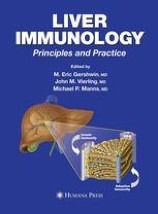
parasitic and viral infections of the liver, autoimmune liver disease, alcoholic and nonalcoholic fatty liver diseases, and transplantation in an easy-to-read and thorough format. Authors also address the key issues that have arisen in this field in recent years, including physiological roles of hepatocytes, sinusoidal lining cells, activated macrophages (Kupffer cells), cholangiocytes and stellate cells, and their modulation of T cells, natural killer (NK) cells and NKT cells.

Since the identificationof two sequences fromKSHV,wehave learnedmuch about this pathogen as reflected in this book. As it turned out, KSHV itself encodes for a number of cytokines, and induces cellular cytokine secretion, contributing to tumour growth. Moreover, KSHV vFLIP targets the IKKNFκB axis to encourage the inflammatory microenvironment observed by Gallo and his colleagues. KSHV continues to elucidate both mechanisms of viral oncogenesis, and cellular and immune pathways involved in non-viral driven neoplasia.
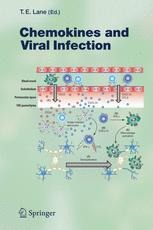
This edition of Current Topics in Microbiology and Immunology examines the role of chemokines and chemokine receptors in host defense and disease development following viral infection. Chemokines represent a family of over 40 small proteins that, for the most part, are secreted into the environment and function by binding to G protein-coupled receptors (GPCRs) that are expressed on numerous different cell types. When initially identified close to 30 years ago, these molecules were associated with various human inflammatory diseases and it was recognized that expression may be integral in leukocyte recruitment to inflamed tissue. There are now four sub-families of chemokines identified based on defined structural criteria relating to the positional location of conserved cysteine residues within the amino-terminus of the protein. Chemokines are now recognized as important in numerous biological processes ranging from maintaining the organizational integrity of secondary lymphoid tissue to participating in various aspects of both innate and adaptive immune responses following microbial infection. With this in mind, this book highlights the functional roles of chemokines and their receptors in participating in various aspects of the immune response against well-known viral pathogens.
Although inflammatory disease of the vascular bed of the lung is a major cause of morbidity and mortality in both adult and pediatric age groups, the importance of vascular biology to its understanding, and in developing novel therapeutics, has been overlooked. In Cell Signaling in Vascular Inflammation, leading basic and clinical researchers review the signal transduction mechanisms responsible for lung inflammation, including vascular hyperpermeability, white cell accumulation, and vascular remodeling. The authors cut across disciplines to bring together a broad-based presentation of inflammatory challenge, both in the initial phases of the inflammatory response, as well as in the more prolonged phase of genomic involvement.
The molecular mechanisms controlling cell cycle progression are highly conserved in eukaryotes. In addition to the basic protein machinery involved in cell cycle regulation, higher plants have also evolved unique molecular mechanisms that allow integration of environmental, physiological, and developmental signals into networks to control proper cell division and expansion. Rapid and exciting research progress in these fields has been achieved from experimental observations on plants over the past decade. The scope of this volume is focused on the molecular basis of all aspects of cell division and cytokinesis in plants. It is an essential reference book for instructors and scientists working in the areas of molecular, cell, and developmental biology of plants. The editors of this book are veterans in the field of plant molecular biology and highly respected worldwide.
Bone Resorption, the second volume in the series Topics in Bone Biology, deals with the osteoclast, the bone-resorbing cell, its origins, its enzymes, the regulation of osteoclast activity, and structural aspects of bone resorption. Diseases involving osteoclast function are discussed from the genetic viewpoint in two chapters that span transgenic mouse models to human pathology. Another chapter treats diseases of osteoclast function. Because osteoporosis may be considered a disease in which the bone resorption rate exceeds formation, a separate chapter deals with current and potential therapeutic approaches to this widespread disease that affects both men and women. Bone metastases and an analysis of the central role of the osteoclast in this condition are treated in the concluding chapter.

Biopharmaceutical Drug Design and Development, Second Edition, updates the widely successful first edition, published in 1999. This new, expanded edition investigates the dozens of new biopharmaceutical drugs that have become available since the publication of the first edition. Among the drugs discussed are ones in the categories of monoclonal antibodies for in-vivo use, cytokines, growth factors, enzymes, immunomodulators, thrombolytics, and immonotherapies including vaccines. Additionally, the volume examines new and emerging technologies, such as bioinformatics, DNA microarrays, transgenics, therapeutic gene delivery, stem cells, nucleic acid-based therapeutics, and macromolecular drug delivery. Authors also study pharmacogenetics in the clinic and changes in biologic drug approval at the FDA. Biopharmaceutical Drug Design and Development, Second Edition, is a worthy sequel in the discussion on the dynamic, exciting field of biotechnology.
Looks at the applications of biomarkers as important tools for herbal drug discovery, presenting research on phytoconstituents with advanced nanotechnological applications for healthcare benefits. Herbal drug discovery based on biomarkers is an emerging area in complementary and alternative medicine that has tremendous potential in healthcare. Conventional medications have limited efficacy and high toxicity, whereas herbal drugs are said to provide wide structural diversity that is not usually seen with conventional/synthetic drug molecules. Recognition of various herbal constituents, such as terpenoids, fatty acids, flavonoids and steroids, are well explored in the management and treatment of various disorders in this volume. These agents target various biomarkers such as nitric oxide (NO), cytokines, chemokines, adhesion molecules, NF- kβ, lipoxygenase (LOX), and arachidonic acid. Reviews the literature on inflammatory biomarkers in the treatment of diseases Looks at the development of herbal drug discovery based on biomarkers Explores emerging concepts of nanomedicines for herbal drug delivery Takes an interdisciplinary approach, with application to disciplines related to medical, pharmaceutical, biotechnological, Ayurvedic, Unani and biomedical engineering fields
The book attempts to review, summarize, and speculate on the apoptotic pathways, how are they regulated and how targeted therapies are being used to treat a wide variety of diseases. Special emphasis is placed on cancer since new treatments either being developed or currently in the clinical setting are showing great promise to increase survival rates for cancer patients.

Although the potential for immunomodulation has been recognized for many years there has been an explosion of data in this field with relevance especially to the treatment of chronic airway diseases. Most of the work in this field has been conducted by Japanese investigators but in the last decade there has been a body of work outside of Japan that supports and enhances these findings. The book covers basic research like effects on bacteria, anti-inflammatory and mucoregulatory effects, but also clinical results with up-to-date information for the use of such medications to potentially treat diseases as diverse as chronic airway diseases, arthritis, inflammatory bowel disease, and cancer.
This volume relates the lessons learned from tumour biology applied to inflammation. This issue of Angiogenesis in Inflammation: Mechanisms and Clinical Correlates develops current knowledge on the mechanisms at the molecular and cellular levels as they relate to inflammation, including acute and chronic inflammation, neurogenic initiation, and the role of the multiple cellular components that comprise inflammation: granulocytes, macrophages, fibroblasts, dendritic cells and lymphocytes. This is related to inflammatory disease: not only the familiar angiogenesis dependent diseases of rheumatoid arthritis and psoriasis, but also loci such as the lung, gastric ulcers, the eye with uveitis, wound healing and periodontal disease and their therapy, how this knowledge may be used in the discovery of novel therapeutics. The volume brings together experts in each of these fields to link the molecular and cellular processes in angiogenesis to those of inflammation and disease, culminating in a discourse on areas for future therapies.

Active specific immunotherapy is a promising but investigational modality in the management of cancer patients. Currently, several different cancer vaccine formulations such as peptides, proteins, antigen-pulsed dendritic cells, whole tumor cells, etc. in combination with various adjuvants and carriers are being evaluated in clinical trials (1-3). To determine the optimal cancer
The actin cytoskeleton plays a central role in many cellular processes including cell motility, cytokinesis, endocytosis and phagocytosis. The structure and dynamics of the actin cytoskeleton is regulated by a large number of proteins that interact with monomeric and/or filamentous actin. Actin monomer binding proteins provides a comprehensive view on actin monomer-binding proteins and the mechanisms by which they contribute to actin dynamics and various actin-dependent cellular processes. This new title contains chapters that describe the basic mechanisms of actin dynamics as well as the structural principles by which various actin-binding proteins interact with actin.

A complete reference for all clinicians who are interested in incorporating into their daily practice the techniques available to reduce the duration of orthodontic treatment and to overcome other treatment limitations. It focuses especially on micro-osteoperforations (MOPs) as the most conservative, efficient, and versatile approach to increase the rate of tooth movement.

Daraa Highway - Ghabagheb - Syria
+963-15 2050 - 15 860 380 /1/2/3 - 11 662 3900