


Refine Results
Sort By
From
To

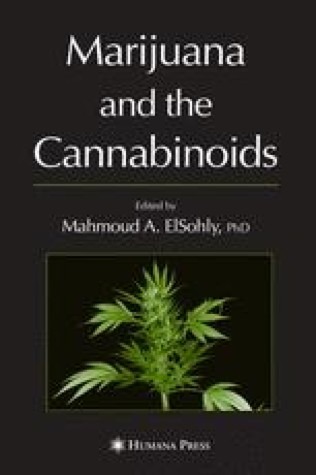
Although primarily used today as one of the most prevalent illicit leisure drugs, the use of Cannabis sativa L., commonly referred to as marijuana, for medicinal purposes has been reported for more than 5000 years. Marijuana use has been shown to create numerous health problems, and, consequently, the expanding use beyond medical purposes into recreational use (abuse) resulted in control of the drug through international treaties. Much research has been carried out over the past few decades following the identification of the chemical structure of THC.The purpose of Marijuana and the Cannabinoids is to present in a single volume the comprehensive knowledge and experience of renowned researchers and scientists. Each chapter is written independently by an expert in his/her field of endeavor, ranging from the botany, the constituents, the chemistry and pharmacokinetics, the effects and consequences of illicit use on the human body, to the therapeutic potential of the cannabinoids.

The opening chapters of March's Advanced Organic Chemistry deal with the structure of organic compounds and discuss important organic chemistry bonds, fundamental principles of conformation, and stereochemistry of organic molecules, and reactive intermediates in organic chemistry. Further coverage concerns general principles of mechanism in organic chemistry, including acids and bases, photochemistry, sonochemistry and microwave irradiation. The relationship between structure and reactivity is also covered.
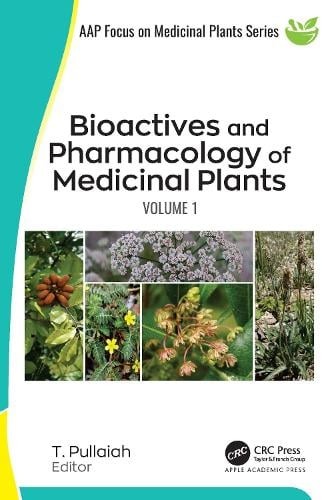
Bioctives and Pharmacology of Medicinal Plants, concisely presents an abundance of important information on the bioactive and pharmacological properties of medicinal plants. It provides valuable comprehensive research and studies on bioactive phytocompounds of over 68 important medicinal plants with beneficial properties. For each species included in the volume, a brief introduction is given along with their bioactive compounds and chemical structures, followed by their chief pharmacological activities that include antiviral, antimicrobial, antioxidant, anti-cancer, anti-inflammatory, antidiabetic, hepatoprotective, nephroprotective, and cardioprotective activities. A review of the published literature on pharmacological activities on each species is included also, providing a thorough resource on each of the plants covered in the volume.
A variety of bioactives and therapeutics from the legume family (Fabaceae or Leguminosae) are thoroughly detailed. For each species included in the volume, a brief introduction is given, the plant’s bioactive compounds are listed, and its chemical structures shown, followed by their pharmacological activities. Many of these plants have medicinal activities that include antiviral, antimicrobial, antioxidant, anticancer, anti-inflammatory, and antidiabetic, hepatoprotective, nephroprotective and cardioprotective. The biochemical characteristics of the 37 plants included, such as the type of starch, protein, and fibers, can be exploited as binders, excipients, thickeners, and dispersants in the formulation of various products in the pharmaceutical industry. The published literature on the pharmacological activities on each species is reviewed and presented in a concise and clear manner.

This book presents critical reviews of the present position and future trends in modern chemical research concerned with chemical structure and bonding. It contains short and concise reports, each written by the world's renowned experts.
This, the first text written specifically for this field, aims to provide an introduction to the major techniques of chemoinformatics. The first part of the book deals with the representation of 2D and 3D molecular structures, the calculation of molecular descriptors and the construction of mathematical models. The second part describes other important topics including molecular similarity and diversity, the analysis of large data sets, virtual screening, and library design. Simple illustrative examples are used throughout to illustrate key concepts, supplemented with case studies from the literature.

Daraa Highway - Ghabagheb - Syria
+963-15 2050 - 15 860 380 /1/2/3 - 11 662 3900