


Refine Results
Sort By
From
To

Although primarily used today as one of the most prevalent illicit leisure drugs, the use of Cannabis sativa L., commonly referred to as marijuana, for medicinal purposes has been reported for more than 5000 years. Marijuana use has been shown to create numerous health problems, and, consequently, the expanding use beyond medical purposes into recreational use (abuse) resulted in control of the drug through international treaties. Much research has been carried out over the past few decades following the identification of the chemical structure of THC.The purpose of Marijuana and the Cannabinoids is to present in a single volume the comprehensive knowledge and experience of renowned researchers and scientists. Each chapter is written independently by an expert in his/her field of endeavor, ranging from the botany, the constituents, the chemistry and pharmacokinetics, the effects and consequences of illicit use on the human body, to the therapeutic potential of the cannabinoids.
Management of Thyroid Cancer and Related Nodular Disease is an authoritative, readable book covering all aspects of thyroid cancer. The text is extensively referenced and includes personal experience of 35 years working with patients with thyroid disorders, including thyroid nodules and thyroid cancer. The chapters are supplemented with many illustrations including pathology, thyroid and whole-body scans, ultrasounds and other nuclear medicine and radiological studies. Important questions that patients may ask their physicians are highlighted, indicating the topics the physician should cover.

Teaches you everything you need to know to master the popular meal plan that has helped athletes, celebrities, and people just like you build lean muscle and lose fat for good. On the macro diet, you track macronutrients instead of calories, so you know you’re giving your body the correct balance of daily nutrients to feel energized, strong, and healthy. And the great thing is that, as long as you balance your macros and meet your daily goals, you can eat whatever you want. You'll reach your weight and health goals without feeling deprived of your favorite foods.
The lungs are the organ for gas exchange between the body and the external environment. Dysfunction of upper airway epithelium and smooth muscle cells leads to pathogenesis of asthma, chronic obstructive pulmonary disease (COPD), cystic fibrosis, and other conditions, resulting in airway inflammation and narrowing. Injury to alveolar epithelium and endothelium causes influx of neutrophil and protein-rich fluid from circulation, resulting in edema and disruption of gas exchange. In addition to lung structural cells, immune cells, including alveolar macrophages and lymphocytes play critical roles in the maintenance of lung function. This book contributes to the understanding homeostasis of lung cells in the physiological and pathological conditions critical to the development of novel therapeutics.
Liposuction began as a contouring procedure but has evolved into the treatment of obese patients, gynecomastia, ptosis, macromastia, and even patients who have complications from heart disease or diabetes. Other disorders such as axillary sweat hypersecretion, lipomas, and angiomas are also potential disorders that may be treated with liposuction.
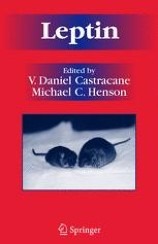
The discovery of leptin little more than a decade ago, as a hormone produced in white adipose tissue with an important role in satiety and energy expenditure, was a seminal event in our understanding of adiposity. This initial advance in the new endocrinology of obesity was soon followed by the realization that leptin was not only produced in adipose tissue, but in many different tissues of the body, and that receptors were similarly distributed. Additionally, the early recognition of infertility that was associated with leptin deficiency prompted research that identified roles for the polypeptide in virtually every area of reproductive biology.
Intended to provide medical students, residents of Radiology, and anybody else beginning to be involved in the radiological world, with a useful tool that gives them a quick and comprehensive overview of Radiology.

The horizons of laparoscopic surgery are expanding, such that the overwhelming majority of abdominal urologic procedures have now been performed laparoscopically. In some of these procedures, the laparoscopic alternative has been demonstrated to be superior to its open counterpart; in others comparative analyses are ongoing; and in yet others, only the initial forays into minimally invasive surgery have been undertaken. This book sets out to collate the current body of knowledge on laparoscopic urology under one cover. The authors are respected experts in the field and have provided concise, thoughtful updates on their respective topics. The information contained in this volume will help urologists to increase their laparoscopic knowledge and skills.
The increasing proportion of demented elderly in populations, debates over patient's rights and autonomy, and the growing body of knowledge on dementia has inspired the European Dementia Consensus Network to regard competence assessment in dementia as an important topic of debate.

Is a brief, clear, thorough, and updated approach to clinical microbiology, brimming with mnemonics, humor, summary charts, and illustrations. Topics include Ebola, AIDS, flesh-eating bacteria, mad cow disease, hantavirus, anthrax, smallpox, and tuberculosis; the latest antibiotics; pandemic flu, including H7N9; SARS-like coronavirus; hepatitis C treatment options; HIV diagnostics and approved HIV meds; Zika virus; measles; and a new chapter on the latest emerging infectious diseases and drug-resistant bacteria. The major update to this book is the addition of a new chapter on the SARS-COV-2 virus and COVID-19 disease, which delves into the nature of the virus such as infectivity within the body, transmission between individuals, timeline of infectivity, symptoms, risk factors, therapeutics, and vaccines approved for use.
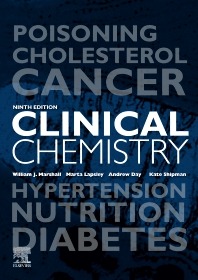
Clinical Chemistry considers what happens to the body’s chemistry when affected by disease. It provides introductory coverage of the scientific basis for biochemistry tests routinely used in medicine - including tests for the assessment of organ function, diagnosis and monitoring disease activity and therapy efficacy. Each topic area begins with a concise description of the underlying physiological and biochemical principles and then applies them to patient investigation and management. The regular use of case histories helps further emphasise clinical relevance and chapter key points, as well as provide a useful starting point for examination revision.
The biological sciences are dominated by the idea that cells are the functionally autonomous, physically separated, discrete units of life. This concept was propounded in the 19th century by discoveries of the cellular structuring of both plants and animals. Moreover, the ap parent autonomy of unicellular eukaryotes, as well as the cellular basis of the mammalian brain (an organ whose anatomy for a long while defied attempts to validate the idea of the cellular nature of its neurons), seemed to provide the final conclusive evidence for the completeness of *cell theory', a theory which has persisted in an almost dogmatic form up to the present day. However, it is very obvious that there are numerous observations which indicate that it is not the cells which serve as the basic units of biological life but that this property falls to some other, subcellular assemblage. To deal with this intricate problem concerning the fundamental unit of living matter, we proposed the so-called Cell Body concept which, in fact, devel ops an exceedingly original idea proposed by Julius Sachs at the end of the 19th century. In the case of eukaryotic cells, DNA-enriched nuclei are intimately associated with a microtubular cytoskeleton. In this configuration—as a Cell Body—these two items comprise the fundamental functional and struc tural unit of eukaryotic living matter. The Cell Body seems to be inherent to all cells in all organisms.
The cardiovascular system transports oxygen and nutrients to all parts of the body; therefore, any impediment to this system through, for example, a circulatory disorder, represents a serious threat to organs, tissues, and cells. Obstructive diseases of vessels with a diameter of more than 1 mm can be treated by conventional surgical and interventional approaches; however, blockages in small vessels with a diameter of less than 1 mm cannot be treated by conventional methods. As a consequence, therapeutic ang- genesis and vasculogenesis for the treatment of ischemic diseases have been widely studied in the last decade. These methods may contribute to the re pair of intractable cardiovascular diseases with a main vascular involvement in the body's smallest vessels. In this book, Hikaru Matsuda and I have tried to summarize recent Japanese developments in the field of cardiovascular regeneration therapies using tissue engineering.
Branching morphogenesis, the creation of branched structures in the body, is a key feature of animal and plant development. This book brings together, for the first time, expert researchers working on a variety of branching systems to present a state-of-the-art view of the mechanisms that control branching morphogenesis. Systems considered range from single cells, to blood vessel and drainage duct systems to entire body plans, and approaches range from observation through experiment to detailed biophysical modelling. The result is an integrated overview of branching.
Radiologic technologists, nurse practitioners, physician assistants, and dedicated densitometry technologists can find new guidelines for bone density testing, new therapies for osteoporosis, and new treatment guidelines for osteoporosis, as well as new chapters on pediatric densitometry body composition assessments, and the use of skeletal morphometry in diagnosis and fracture risk prediction. The twelve appendices have also been updated to reflect the most current information available, including contacts for densitometry equipment manufacturers and organizations, guidelines for bone density testing and CPT codes, definitions of terms, and new conversion equations.
Clinical osteology is now an independent specialty which nevertheless encompasses all branches of medicine and effects each and every one of us: Bone is Every Body´s Business: This book has been designed as an up to date manual to deal with the currently recognized indications for bisphosphonates, to outline situations and conditions for prevention of skeletal disorders, and to provide practical guidelines for treatment. It is intended for doctors who seek precise information on bisphosphonates in medical practice to enable them to treat patients with disorders of bone or better still to avoid their occurrence .
Biomaterials, an Introduction is intended as a general introduction to the uses of artificial materials in the human body for the purposes of aiding healing, correcting deformities, and restoring lost function. Enhancing on the field developments since the successful last edition, Biomaterials, an Introduction continues in its tradition as an outgrowth of an undergraduate course for senior students in biomedical engineering developed by the authors With 60 years of combined experience, the authors have emphasized the fundamental materials science, structure-property relationships and biological responses as a foundation for a wide array of biomaterials applications.
Helping to accelerate Alzheimer’s disease drug development. Addressing the latest advances in preclinical and clinical research, including new insights into the molecular mechanisms and emerging therapeutic strategies, the book continues by exploring digital biomarkers and advanced neuroimaging analysis which will transform how clinical trials in the Alzheimer’s disease field are performed.
Collaborative research in bioinformatics and systems biology is a key element of modern biology and health research. This book highlights and provides access to many of the methods, environments, results and resources involved, including integral laboratory data generation and experimentation and clinical activities. Collaborative projects embody a research paradigm that connects many of the top scientists, institutions, their resources and research worldwide, resulting in first-class contributions to bioinformatics and systems biology. Central themes include describing processes and results in collaborative research projects using computational biology and providing a guide for researchers to access them. The book is also a practical guide on how science is managed. It shows how collaborative researchers are putting results together in a way accessible to the entire biomedical community.
In the last few decades more and more yeast habitats that were not investigated earlier, spanning cold climates to tropical regions and dry deserts to rainforests, have been explored. As a result, a large body of ecological data has been accumulated and the number of known yeast species has increased rapidly. This book provides an overview of the biodiversity of yeasts in different habitats. The recent advances achieved by the application of molecular biological methods in the field of yeast taxonomy and ecology are also incorporated in the book. Wherever possible, the interaction between yeasts and the surrounding environment is discussed.

Daraa Highway - Ghabagheb - Syria
+963-15 2050 - 15 860 380 /1/2/3 - 11 662 3900