



Page 1
Page 1

Genotype - Proteotype - Phenotype Relationships in Neurodegenerative Diseases
Improved understanding of role of protein dysmetabolism in neurodegeneration promises to improve diagnoses, facilitate the development of biological markers relevant to disease pathophysiology, and provide tractable therapeutic targets. This Fondation IPSEN conference summary provides an update on the latest advances of the role of protein misfolding in the pathophysiology of neurodegenerative diseases.
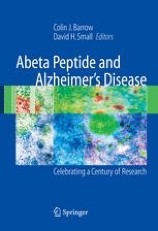
Abeta Peptide and Alzheimers Disease : Celebrating a Century of Research
Abeta Peptide and Alzheimer’s Disease summarizes current knowledge of beta-amyloid peptide (Aß) and its role as the major culprit in Alzheimer’s Disease (AD), shown by recent advances in genetics and brain biochemistry.the book covers fundamental biochemical studies on the Aß peptide, the genetic impact on Aß expression and processing, and various AD therapeutic strategies that target Aß. Although specifically focusing on Aß and AD, there is also some discussion on the similarity and differences of this peptide and AD with other amyloidogenic diseases.
