



Page 1
Page 1

Omega-3 fatty acids : Keys to nutritional health
Argues for the importance of essential nutrients in our diet. Over the last two decades there has been an explosion of research on the relationship of Omega-3 fatty acids and the importance of antioxidants to human health. Expert authors discuss the importance of a diet rich in Omega-3 Fatty acids for successful human growth and development and for the prevention of disease. Chapters highlight their contribution to the prevention and amelioration of a wide range of conditions such as heart disease, diabetes, arthritis, cancer, obesity, mental health and bone health.

Omega 3 and Omega 6 and its relationship to obesity
This research summarizes information about omega-3 and omega-6. In recent times, there has been growing recognition of the key role of foods and beverages in disease prevention and treatment. Thus, the production and consumption of functional foods has gained much importance as they provide a health benefit beyond the basic nutritional functions. At present, PUFA (poly unsaturated fatty acids) as Omega-3 [(n-3)] fatty acids and Omega -6 [(n-6)] fatty acid have been linked to healthy aging throughout life. Recently, omega-3 fatty acids EPA (eicosapentaenoic acid ) and DHA (docosahexaenoic acid ) have been associated with cardiovascular function, and Alzheimer’s disease.

Olfactory knows the truth
Olfaction, the sense of smell detects and discriminate odors as well as social cues which influence our innate responses. The olfactory system in human beings is found to be weak as compared to other animals; however, it seems to be very precise. It can detect and discriminate millions of chemical moieties (odorants) even in minuscule quantities. The sense of smell is greatly underappreciated, despite the fact that it monitors the intake of airborne agents into the human respiratory system and determine to a large degree the flavor and palatability of foods and beverage. In addition to enhancing quality of life, this primary sensory system warns of spoiled foods, leaking natural gas, polluted air and smoke, and mediates basic elements of communication (e.g., mother-infant interaction). It is now apparent that smell dysfunction is among the first clinical signs of such neurodegenerative diseases as Alzheimer’s disease and sporadic Parkinson’s disease.

Nicotinic Acetylcholine Receptor Signaling in Neuroprotection
Presents the roles and mechanisms of signal transduction triggered by nicotinic acetylcholine receptors (nAChRs) stimulation in neuroprotection against toxic effects of risk factors of neurodegenerative diseases. Accumulating evidence suggests that nAChRs in the CNS play important roles not only in excitatory neurotransmission but also in neuronal survival and related functions. Neuroprotection mediated by nAChRs in neurodegenerative diseases such as Alzheimer's disease is the major topic of this book. In response to rapidly evolving areas in clinical and laboratory neuropharmacology and neurochemistry, this volume provides in-depth coverage of neuroprotection in basic research and future developments in the clinical application of effective neuroprotective strategies in neurodegenerative diseases. This work appeals to both basic and clinical researchers in several fields, such as neuroscience, neurology, and pharmacology.

Neuroprotection : Method and protocols
Contains cutting-edge molecular biology methods on neuroprotective mechanisms and specific preclinical models of the CNS injury, iseases and planning translation. Chapters guide readers through neuropathology, neuroprotection, Alzheimer’s disease, amyotrophic lateral sclerosis, ALS, Huntington’s disease , multiple sclerosis, Parkinson’s disease, spinal cord injury, traumatic brain injury, and ischemic brain injury. Written in the highly successful Methods in Molecular Biology series format, chapters include introductions to their respective topics, lists of the necessary materials and reagents, step-by-step, readily reproducible laboratory protocols, and tips on troubleshooting and avoiding known pitfalls.

Neurodegeneration in Multiple Sclerosis
In multiple sclerosis (MS), conventional magnetic resonance imaging (cMRI) has proved to be a valuable tool to increase diagnostic reliability and to monitor the efficacy of experimental treatment. However, cMRI has limited specificity and accuracy as to the most disabling aspects of the MS pathology, known to occur in and outside macroscopic lesions. Modern quantitative MR techniques have the potential to overcome the limitations of cMRI, and their application is dramatically changing our understanding of how MS causes irreversible disability.

Misbehaving Proteins : Protein (Mis)Folding, Aggregation, and Stability
Misfoldedaggregatedproteinoncewasconsideredasinterestingasyesterday’strash—a bothersome by-product of important and productive activities, to be disposed of and forgotten as quickly as possible. Yesterday’s trash has become today’s focus of cons- erable scienti?c interest for at least two reasons: (1) protein aggregates are at the core of a number of chronic degenerative diseases such as Alzheimer’s disease, and (2) - gregation poses signi?cant obstacles to the manufacture of safe, ef?cacious, and stable protein products. As interest in protein misfolding, aggregation, and stability has soared beyond the core group of traditional protein-folding scientists, and as substantial scienti?c progress in understanding and controlling protein misfolding has been achieved, the need to summarize the state of the art became manifest. Although there are many excellent texts and edited collections on protein structure and folding, these volumes tend to relegate protein misfolding and aggregation to a minor role. Review articles and books focused on the biological role of protein aggregates in diseases have been published recently.

Heat Shock Proteins and the Brain : Implications for Neurodegenerative Diseases and Neuroprotection
Neurodegenerative disorders such as Alzheimer’s disease, Huntington’s disease, Parkinson’s disease and amyotrophic lateral sclerosis have been termed ‘protein misfolding disorders’ that are char- terized by the neural accumulation of protein aggregates. Manipulation of the cellular stress response involving the induction of heat shock proteins offers a the- peutic strategy to counter conformational changes in neural proteins that trigger pathogenic cascades resulting in neurodegenerative diseases. Heat shock proteins are protein repair agents that provide a line of defense against misfolded, aggregati- prone proteins. Heat Shock Proteins and the Brain: Implications for Neurodegenerative Diseases and Neuroprotection reviews current progress on neural heat shock proteins (HSP) in relation to neurodegenerative diseases (Part I), neuroprotection (Part II), ext- cellular HSP (Part III) and aging and control of life span (Part IV).

Estrogen Effects in Psychiatric Disorders
A number of studies, mostly focusing on estrogen replacement therapy in women, have reported beneficial actions of these hormones on various neurobiological and neuropathological parameters in health and disease. Recent research has focused on gender differences and there is increasing evidence that estrogens exert protective effects in schizophrenia. Hormonal fluctuations or lack of estrogen may increase the risk of depression among vulnerable women. Treatment of depression with estrogen may stabilize and restore disrupted homeostasis – as during post-partum, premenstrual, or perimenopausal conditions – and act as a psychomodulator to offset vulnerability to dysphoric mood when estrogen levels are significantly decreased, as in the case of postmenopausal women. Studies on the effect of estrogens on Alzheimer’s Disease are still rather controversial, they do, however, facilitate the hypothesis that estrogens may have a modifying effect on the onset and course of AD, at least in subgroups of patients.

DNA vaccines : Methods and protocols
Details practical procedures on the latest DNA vaccine technology. Chapters guide readers through methods and protocols on DNA vaccine design, the adjuvant influence, production and purification methodologies, delivery systems, and approaches of the influence of DNA vaccines in the immunological response performance and in the cancer immunotherapy. Written in the highly successful Methods in Molecular Biology series format, chapters include introductions to their respective topics, lists of the necessary materials and reagents, step-by-step, readily reproducible laboratory protocols, and tips on troubleshooting and avoiding known pitfalls.

COVID-19 in Alzheimer's disease and dementia
COVID-19 in Alzheimer’s Disease and Dementia crucially summarizes the current status of the coronavirus in patients suffering from these conditions, describing why they are a common cause of morbidity among those with COVID-19. The first section includes chapters that provide a general description of COVID-19, including SARS-CoV-2 structure, function, and biology, and its impact on the elderly with chronic conditions include hypertension, diabetes, obesity, kidney disease, respiratory illnesses, and infectious diseases. Also discussed are effects of the virus on the immune system. The second section shifts to the impact of COVID-19 on those with dementia or Alzheimer’s disease, with special emphasis on age, gender, ethnic background, and lifestyle.

Competence and Vulnerability in Biomedical Research
In this book, the author develops a novel justificatory framework for making judgments of decisional competence to consent to biomedical research with reference to five groups of cognitively vulnerable individuals - older children and adolescents, adults with intellectual disabilities, adults with depression, adults with schizophrenia and adults with dementia, including Alzheimer’s disease.
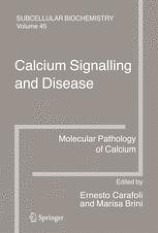
Calcium Signalling and Disease : Molecular Pathology of Calcium
This topic is a new entry in the area of cellular calcium signaling: yet, it now spans the entire area, with discoveries that cover both genetic and acquired pathologies, even offering glimpses in the direction of therapy.Cellular calcium homeostasis, and thus calcium signalling, is mainly regulated by membrane intrinsic proteins and calcium sensor proteins. Both classes may be involved in pathological processes that affect both human and animals, ranging from common and important diseases (e.g. migraine, diabetes, epilepsia, manic depression, infertility, various types of cancer, Alzheimer’s disease, muscular dystrophy) to rare genetic conditions (e.g., a number of genetic heart conditions, autoimmune retinopathies, night blindness, hereditary amyloid polyneuropathy, malignant hyperthermia, cerebellar ataxia, atherothrombotic disease).

Brilliantguard : AI-powered healthcare prototype for mobile & automotive integration
Brilliantguard is an AI-powered healthcare and safety prototype designed to support individuals with special needs, the elderly users, and patients with chronic conditions such as alzheimer’s disease. The system integrates augmented reality (AR), an AI based chatbot, and bitcoin-based payments into a unified platform combining mobile apps, smartwatches, and automotive sensors. It enables real-time health monitoring, predictive alerts with preliminary health suggestions, medication reminders, initial fault detection, and geofencing-based tracking for alzheimer’s patients. Emergency alerts are automatically triggered in response to abnormal health readings or car crashes.
Biomarkers for alzheimer’s disease drug development
Helping to accelerate Alzheimer’s disease drug development. Addressing the latest advances in preclinical and clinical research, including new insights into the molecular mechanisms and emerging therapeutic strategies, the book continues by exploring digital biomarkers and advanced neuroimaging analysis which will transform how clinical trials in the Alzheimer’s disease field are performed.
Biomarkers for alzheimer’s disease drug development
Aims to build a new generation of experts with a broader understanding of key topics in the Alzheimer’s disease field. Chapters guide readers through innovative approaches to the discovery of novel biomarkers in cerebrospinal fluid, innovation in blood-based biomarkers, a comprehensive overview of magnetic resonance imaging and molecular imaging approaches and their value for developing drugs for Alzheimer’s disease, cutting-edge developments in neuropathology and their relevance for Alzheimer’s disease trials, novel genomic strategies for biomarker development, and related topics including neuropsychological testing and advanced analytical methods.Written in the highly successful Methods in Molecular Biology series format, chapters include introductions to their respective topics, lists of the necessary materials and reagents, step-by-step, readily reproducible laboratory protocols, and tips on troubleshooting and avoiding known pitfalls.

Apitherapy and therapeutic properties
Apitherapy is an alternate therapy that relies on the usage of honeybee products, most importantly bee venom for the treatment of many human diseases. Bee venom contains several active molecules such as peptides and enzymes that have advantageous potential in treating inflammation and central nervous system diseases, such as Parkinson’s disease, and Alzheimer’s disease and autoimmume diseases like reumatic and atherosclerosis .Bee venom (BV) is usually associated with pain since, when humans are stung by bees,local inflammation and even an allergic reaction can be produced. It also consists of a mixture of proteins and peptides, including enzymes such as Melittin and phospholipase A2 (PLA2) are the most abundant and studied compounds of BV Stings of hymenoptera can induce IgE-mediated hypersensitivity reactions in venom-allergic patients, ranging from local up to severe systemic reactions and even fatal anaphylaxis. skin is larger than any other organ in humans.

Alzheimers disease : Cellular and molecular aspects of Amyloid beta
This book contains a survey of present-day research into the biomedical fundamentals of Alzheimer’s disease (AD). It contains 20 chapters dealing with widely ranging topics, all of which have a bearing upon the understanding and treatment of AD. Starting with a broad survey of the contribution that the various microscopical techniques (light microscopy, electron microscopy, atomic force microscopy)
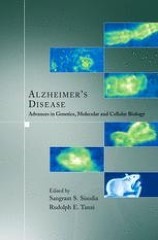
Alzheimers Disease : Advances in genetics, molecular and cellular biology
Alzheimer’s Disease: Advances in Genetics, Cellular and Molecular Biology provides exciting, comprehensive and up-to-date summaries of the most important recent advances in the genetic, molecular, biochemical, and cell biological studies of AD. The studies and advances described in this volume will help to accelerate the process of rational drug discovery and soon serve to extend and enhance the mental health and lifespan of our burgeoning elderly population.
Alzheimers Disease
Alzheimer’s disease (AD) is a neurodegenerative disease that robs the minds of our elderly population. Approximately one in every eight adults over the age of 65 and nearly half of those over 85 are afflicted with this disease. The aging population in developed societies will impose an ever increasing socioeconomic threat in the future. Current medicines for AD patients are mainly symptomatic treatments and a huge unmet medical need exists to slow the progression of this disease. A great deal of research has been dedicated to understanding the pathogenesis of AD from which comes many ideas for intervening with its progression. Some of these ideas have been fast-tracked to clinical trials due to the availability of medicines with proven clinical efficacies for other diseases (e.g. atorvastatin, simvastatin, rosiglitazone and clioquinol) while others represent novel chemical entities (e.g. glycogen synthase kinase-3 inhibitors).
