


Refine Results
Sort By
From
To

This book describes the recent developments in the emerging field of cancer stem cells. Their possible impact for the identification of novel treatment paradigms for cancer are discussed. The book will mainly be of interest to scientists and clinicians involved in cancer research, or to students wishing to enter into this area.
the authors collectively provide the current status of proteomics in cancer therapy and offers the existing technologies used in proteomics that allow for protein profiling and for the identification of druggable targets in human samples. Mass spectrometry based protein characterization and protein microarrays hold great promise of predicting response to specific drugs in cancer therapy. Insightful to the reader with broad perspectives on topics related to the use of proteomic strategies in cancer therapy, Cancer Proteomics offers anticipated challenges that may arise from its application in daily practice.
the authors comprehensively review the anticancer genes and gene delivery methods currently available for cancer gene therapy, including the transfer of genetic material into the cancer cells, stimulation of the immune system to recognize and eliminate cancer cells, and the targeting of the nonmalignant stromal cells that support their growth. They also thoroughly examine the advantages and limitations of the different therapies and detail strategies to overcome obstacles to their clinical implementation

Tumors can be induced by a variety of physical and chemical carcinogens. The resulting tumor cells are usually abnormal in their morphology and behavior and transmit their abnormalities to their daughter tumor cells. Most theories of the pathogenesis of tumors suggest that carcinogens in some way cause alterations either of the genomes or of inheritable patterns of gene expression in normal cells, which then cause morphological and behavioral changes. This volume presents a collection of articles aimed at the question by what genetic or epigenetic mechanisms carcinogens can cause morphological abnormalities of tumor cells. It includes reviews of cellular targets of known carcinogens, and presents varying viewpoints of how morphological abnormalities and the actions of carcinogens might be related.
This topic is a new entry in the area of cellular calcium signaling: yet, it now spans the entire area, with discoveries that cover both genetic and acquired pathologies, even offering glimpses in the direction of therapy.Cellular calcium homeostasis, and thus calcium signalling, is mainly regulated by membrane intrinsic proteins and calcium sensor proteins. Both classes may be involved in pathological processes that affect both human and animals, ranging from common and important diseases (e.g. migraine, diabetes, epilepsia, manic depression, infertility, various types of cancer, Alzheimer’s disease, muscular dystrophy) to rare genetic conditions (e.g., a number of genetic heart conditions, autoimmune retinopathies, night blindness, hereditary amyloid polyneuropathy, malignant hyperthermia, cerebellar ataxia, atherothrombotic disease).

This book comes after several decades of outstanding and successful research that has helped ameliorate some of the most important and controversial fisheries issues in the world – those associated with the unwanted wastage of fish from by-catch and discarding. The 8 chapters encompass contributions from 27 of the world’s leading experts in by-catch reduction. They take the reader through most aspects of the field at a variety of scales and viewpoints. They examine the methodologies used to develop by-catch reduction techniques and provide new avenues for assisting and broadening such work. Case studies are provided that encompass most of the world’s fishing techniques and regions.

A major objective of this book is to summarize the current status of Buruli Ulcer (BU) research for the first time. It will identify gaps in our knowledge, stimulate research and support control of the disease by providing insight into approaches for surveillance, diagnosis, and treatment of Buruli Ulcer. Book chapters will cover the history, epidemiology diagnosis, treatment and disease burden of BU and provide insight into the microbiology, genomics, transmission and virulence of Mycobacterium ulcerans.
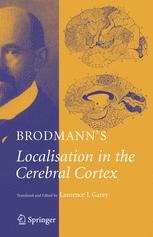
It is one of the major "classics" of the neurological world. Even today it forms the basis for so-called "localisation" of function in the cerebral cortex. Brodmann's "areas" are still used to designate functional regions in the cortex, the part of the brain that brings the world that surrounds us into consciousness, and which governs our responses to the world. For example, we use "area 4" for the "motor" cortex, with which we control our muscles, "area 17" for "visual" cortex, with which we see, and so on. This nomenclature is used by neurologists and neurosurgeons in the human context, as well as by experimentalists in various animals. Indeed, Brodmann's famous "maps" of the cerebral cortex of humans, monkeys and other mammals must be among the most commonly reproduced figures in neurobiological publishing. The most famous of all is that of the human brain. There can be few textbooks of neurology, neurophysiology or neuroanatomy in which Brodmann is not cited, and his concepts pervade most research publications on systematic neurobiology.

Contemporary research on genetic control of disease-transmitting insects knows two kinds of scientists: those that work in the laboratory and those known as ‘field people’. Over the last decade, both groups seem to have developed differing research priorities, address fundamentally different aspects within the overall discipline of infectious-disease control, and worse, have developed a scientific ‘language’ that is no longer understood by the ‘other’ party. This gap widens every day, between the North and the South, between ecologists and molecular biologists, geneticists and behaviourists, etc. The need to develop a common research agenda that bridges this gap has been identified as a top priority by all parties involved. Only then shall the goal of developing appropriate genetic-control strategies for vectors of disease become reality.

New findings in brain research are being revealed on an almost daily basis, and the focus of this book is the fields of breathing, neuroprotection, and higher brain functions. An unresolved issue within respiration research and hence a topic of much interest is Where and how respiratory rhythm is generated in the brainstem, detailed analysis of which is presented herein. Chapters on neuroprotection examine the functional significance of the blood – brain barrier as an interface of blood and the central nervous system; other chapters look at health and disease in relation to the hypothalamic and limbic systems. In addition to animal experiments, research on the human brain is included, with a focus on the recently developed EEG/dipole tracing method. This book will be an invaluable reference for researchers in neuroscience and related fields.
In Breast Cancer Chemosensitivity, a group of world leading experts review critical aspects of resistance to systemic therapy in breast cancer patients. Beginning with a clinical overview of the problem Breast Cancer Chemosensitivity moves on to focus on the latest findings of molecular mechanisms of drug resistance. These include in-depth discussions on multidrug resistance by P-glycoprotein and the multidrug resistance protein family, resistance to therapeutic agent-induced apoptosis, cell cycle deregulation, deregulation of DNA repair, loss of tumor suppressor genes, integrin-mediated adhesion, insulin-like growth factors, epidermal growth factor, and ErbB2 in modulating breast cancer response to systemic therapy, especially, certain chemotherapeutic agents. Breast Cancer Chemosensitivity provides an example of using novel approaches for chemosensitization of breast cancer cells that gives readers an idea about the future direction in breast cancer treatment.

Branching morphogenesis, the creation of branched structures in the body, is a key feature of animal and plant development. This book brings together, for the first time, expert researchers working on a variety of branching systems to present a state-of-the-art view of the mechanisms that control branching morphogenesis. Systems considered range from single cells, to blood vessel and drainage duct systems to entire body plans, and approaches range from observation through experiment to detailed biophysical modelling. The result is an integrated overview of branching.
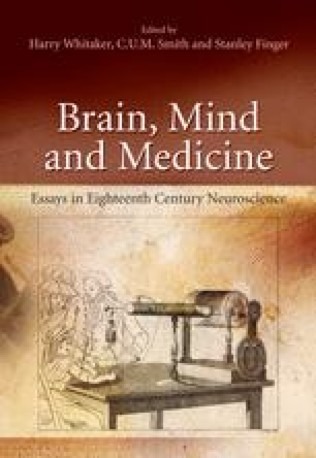
Ideas we associate with the 18th century are clearly seen in work published from the latter decades of the 17th century through the first decades of the 19th century. This is the "long 18th century", a period which exhibits multiple discourses in medicine, brain science and philosophy. The editors have deliberately adopted a "presentist" subtitle, "neuroscience", to emphasize that this collection of essays reflect a range of current thought about 18th century-studies of the nervous system in isolation and in context. There are six sections, each preceded by a short introduction.

Since Bailey and Cushing (1926), all brain tumor classifications have been called histogenetic. The nosographic position that the tumor types progressively acquired in the classification systems derived from the resemblance of tumor cells to those of the cytogenesis, modified whenever new information became available from different biological research fields and especially from molecular genetics. Classically, on the basis of the rough correspondence between the mature/immature aspect of tumor cells and the benign/malignant biological behavior of the tumors, the histological labels contained a prognostic significance. The supposed origin of the tumors was thus a factor for prognosis. Later on, with the concept of anaplasia (Cox, 1933; Kernohan et al., 1949) new criteria were introduced for establishing the malignancy grades of tumors. Immunohistochemistry and later molecular genetics further refined the prognostic diagnoses, substantially increasing the opportunities to recognize the cell origin of tumors, beside revealing the pathogenetic mechanisms. Prognoses became more accurate, as required by the greater and more targeted possibilities of therapy.
Brain Repair, addresses all relevant issues underlying the mechanisms of brain damage, brain plasticity and post-traumatic reorganisation after CNS lesions. This book is divided the three major sections that follow; cellular and molecular basis of brain repair, plasticity and reorganisation of neural networks, and experimental therapy strategies. Brain Repair is written by high profile, international experts who describe in detail the newest results from basic research and highlight new model systems, techniques and therapy approaches. Based on a careful analysis of the cellular and molecular reaction patterns of the CNS to lesions, the contributions cover possibilities for endogenous reorganisation and repair as well as exciting new therapies emerging from basic research, some of which have already been introduced into the clinics.
The central nervous system (CNS) represents the organ with the highest structural and functional complexity. Accordingly, uncovering the mechanisms leading to cell diversity, patterning and connectivity in the CNS is one of the major challenges in developmental biology. The developing CNS of the fruitfly Drosophila melanogaster is an ideal model system to study these processes. Several principle questions regarding neurogenesis (like stem cell formation, cell fate specification, axonal pathfinding) have been addressed in Drosophila by focusing on the relatively simply structured truncal parts of the nervous system. This book provides an overview of some major facets of recent research on Drosophila brain development.
This text is intended to provide an overview of brain death. The topics explored in this book are the concept and historical approach of human death, clinical examinations of brain-dead patients, ancillary tests in coma and brain death, bioethical discussions of brain death and its relationship with some consciousness disturbances, and the legal considerations of human death.
The book is rich in references and leaves no aspect of the problem untouched. The morphological, pharmacological, physiological and mathematical modeling aspects of different components of the subject are treated to exhaustion...the book is richly illustrated and down-right comprehensive. It will delight those interested in the field, will inform those who need a context for their research efforts and is a must for graduate and medical libraries.
The book is the result of intensive work of 43 authors, all of them leading scientists in the Botrytis sciences. New technologies have arisen that when applied to long-standing problems or to test new hypotheses have been most rewarding and many of these are covered in this book.

This easy-to-use book helps you acquire a wealth of fascinating information about plants. There are 130 pages with text, each facing 130 pages of beautiful illustrations. Each page is a separate subject. Included is a coloring guide for the realistic illustrations. The illustration pages are composed of scientifically accurate line drawings with the true sizes of the plants indicated. Using colored pencils and the authors’ instructions, you can color the various plant structures to stand out in vivid clarity. Your knowledge of plants increases rapidly as you color the illustrations.

Daraa Highway - Ghabagheb - Syria
+963-15 2050 - 15 860 380 /1/2/3 - 11 662 3900